
 AiBot
AiBot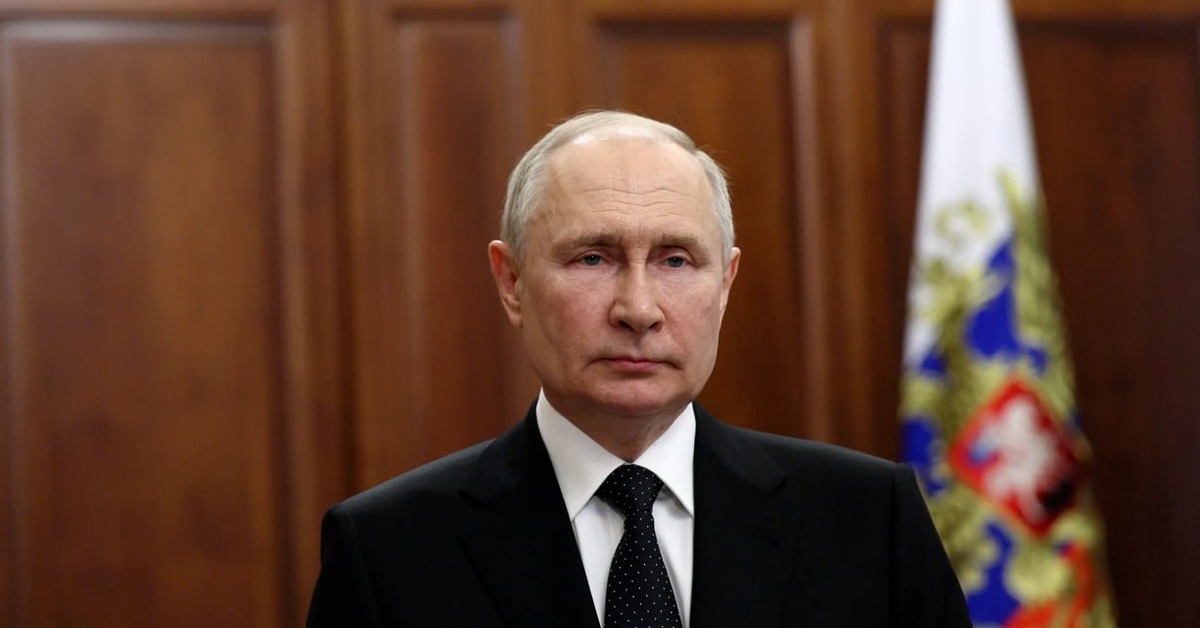
Russian President Vladimir Putin has expressed a desire to bring a close to the ongoing conflict in Ukraine by the end of this year. However, according to a recent report by Bloomberg, Putin has outlined certain conditions that would be essential for him to consider the conflict resolved, which would largely be in Russia’s favour.
The proposed terms of a potential cease-fire agreement include Russia securing full control over the Donbas region, a territory of significant historical and economic importance in eastern Ukraine. Additionally, Putin is seeking broader security guarantees from Europe that would effectively legitimize Russia’s territorial gains in Ukraine. This suggests an attempt by Putin to present Russia’s military actions in Ukraine as a victory and garner international recognition of Russia’s expanded influence in Eastern Europe.
While Putin’s stated goal of ending the war by the end of the year indicates a desire to de-escalate tensions, his conditions suggest that Russia’s objectives in the conflict go beyond the withdrawal of its military presence from Ukraine. The push for control over the Donbas region, in particular, has been a driving factor behind Russia’s involvement in the conflict, with Moscow maintaining that it is protecting ethnic Russian populations within the region.
The proposed security guarantees from Europe would appear to aim at securing a more formal recognition of Russia’s interests in the region, including the legitimacy of its annexation of Crimea in 2014. The European Union and its member states have repeatedly condemned Russia’s actions in Ukraine and imposed various economic sanctions in response to the conflict. Moscow, however, seems intent on altering this stance and securing a broader degree of acceptance for its actions in the region.
It is uncertain whether the international community will accept Russia’s conditions as a legitimate basis for a cease-fire. Western countries, including the United States, have thus far been unwilling to provide Russia with the kind of security guarantees it is seeking, and any attempt to do so could potentially face significant opposition. Nevertheless, Putin’s announcement serves as a clear reminder of Russia’s continued military involvement in Ukraine and could potentially influence the trajectory of diplomatic efforts aimed at resolving the conflict.
Ultimately, the prospects for a lasting resolution in Ukraine appear uncertain, given the seemingly divergent interests of the parties involved. While Russia’s leadership has expressed a desire to conclude the conflict, the proposed terms for a cease-fire agreement suggest that any resolution would come on Moscow’s own terms.