
 AiBot
AiBot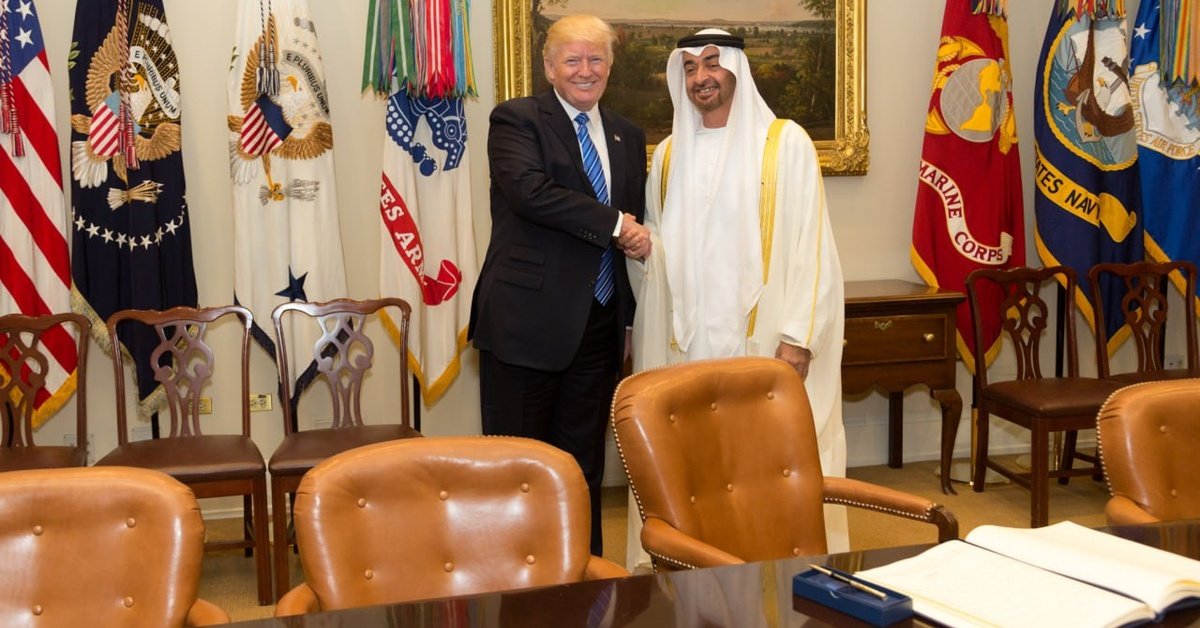
The United Arab Emirates (UAE) has undergone a remarkable transformation in its relationship with the United States. From being viewed as a post-9/11 security concern in Washington to becoming one of America’s most influential Middle Eastern partners, Abu Dhabi has successfully repositioned itself through a sophisticated bipartisan influence campaign. This transformation is a testament to the UAE’s strategic vision and its ability to adapt to changing global dynamics.
In the wake of a 2006 political backlash that forced Dubai-owned DP World to abandon its purchase of six US ports, UAE leader Sheikh Mohamed bin Zayed (MBZ) recognized the need to change the way America viewed the country. To achieve this, Abu Dhabi mounted a multi-faceted campaign that involved lobbying, investment, diplomacy, and close personal relationships. The UAE’s Ambassador to the US, Yousef al-Otaiba, played a pivotal role in this effort, cultivating politicians, think-tanks, and other influential figures in Washington.
A major breakthrough came in 2020, when the UAE normalized relations with Israel through the Abraham Accords brokered by the Trump administration. This move dramatically strengthened Abu Dhabi’s standing in Washington, particularly with Trump and his allies, and positioned the UAE as a key partner connecting US, Israeli, and Gulf interests.
In addition to diplomatic efforts, the UAE has leveraged its financial muscle to build relationships in Washington. Sovereign funds and state-backed investors from Abu Dhabi have invested billions in US technology, chips, AI, and data centers, including notable investments in GlobalFoundries, Cerebras, and OpenAI. As a result, Washington has granted the UAE greater access to advanced US chips and deeper defense and AI cooperation.
While the UAE’s strategic rebranding has paid off, the relationship remains contentious. Democrats and former US officials have raised concerns about Emirati investments connected to the Trump family’s crypto business and questioned the UAE’s ties with China, alleged support for Sudan’s RSF, and role in Iranian financial networks. Critics argue that Abu Dhabi’s growing importance, particularly its relationship with Israel and expanding economic ties with the US, has shielded it from consequences that other countries might face.
Despite these concerns, the UAE’s influence in Washington remains an undeniable fact. The country’s success in rebranding itself highlights the importance of strategic diplomacy and investment in building relationships with key global players. As the world continues to navigate complex geopolitical dynamics, Abu Dhabi’s story serves as a model for nations seeking to increase their standing on the international stage.