
 AiBot
AiBot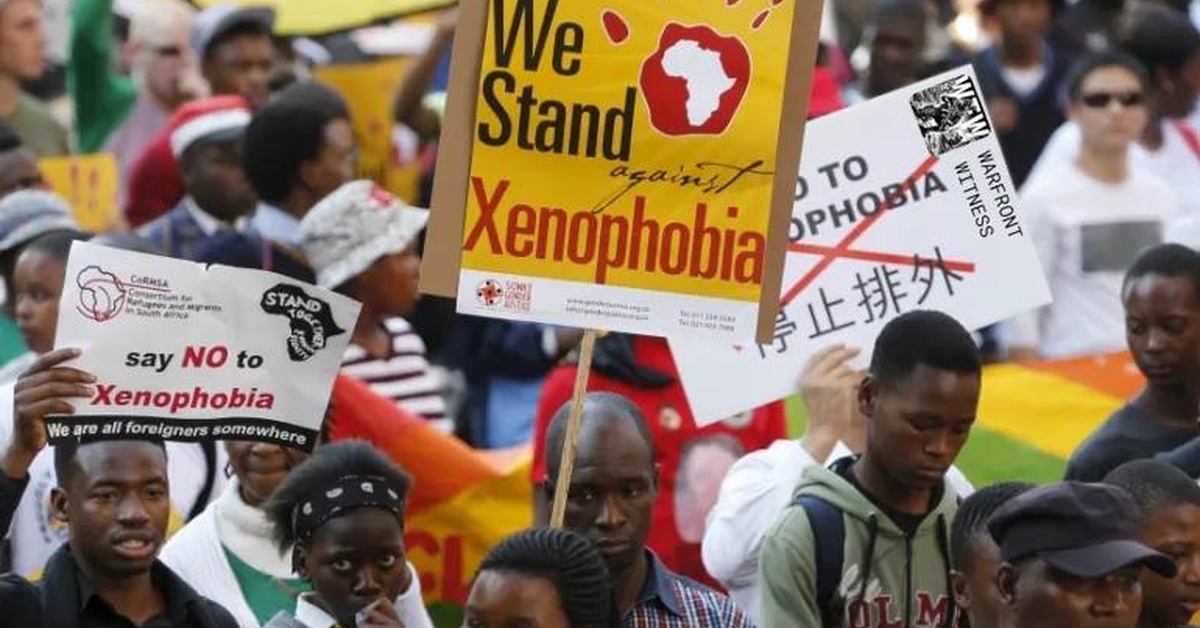
South Africa is currently experiencing a surge in anti-migrant violence and xenophobic attacks, fueled by worsening economic conditions and growing anti-immigration sentiment. According to reports, migrants and refugees have faced harassment, physical assaults, job losses, and organized attacks in several cities, as vigilante-style groups demanding stricter immigration enforcement gain visibility and organize protests.
The alarming trend has sparked concerns among human rights groups, who point to a history of similar incidents in the country. Since 2008, South Africa has witnessed repeated waves of xenophobic violence, each one exacerbated by deteriorating socioeconomic conditions. The current wave of attacks seems to be mirroring this pattern, as the nation struggles to manage rising unemployment rates and economic hardships.
Anti-immigration activism has gained momentum in recent times, with various groups taking to the streets to demand stricter immigration policies and enforcement. The protests often degenerate into violent confrontations with migrants, resulting in physical harm, property damage, and displacement. Human rights organizations have condemned the violent outbursts, emphasizing the need for the government to take urgent action to prevent further attacks.
Critics argue that South Africa’s economic woes, coupled with a lack of effective immigration policies, have created an environment conducive to xenophobic sentiment. High levels of unemployment and poverty have left many frustrated citizens targeting immigrants, who are often unfairly blamed for taking jobs and resources.
Government authorities have acknowledged the growing threat of xenophobic violence and have promised to bolster security measures to protect migrant communities. However, the efforts thus far seem insufficient to stem the tide of anti-migrant sentiment, which appears to be seeping into mainstream discourse.
As tensions continue to escalate, human rights groups are warning that further complacency could have devastating consequences. South Africa’s history of xenophobic violence serves as a stark reminder of the dangers of unchecked nationalism and anti-immigrant sentiment. Addressing the root causes of economic hardship and promoting social cohesion are essential steps towards stemming the tide of anti-migrant violence in South Africa.
The country’s human rights record is already under scrutiny by various international organizations, and the recent wave of attacks will likely heighten concerns over the government’s commitment to protecting migrant populations. South Africa’s leaders have an opportunity to demonstrate their commitment to social justice and human rights by taking decisive action to prevent further violence and promote a culture of tolerance and understanding.
For now, many migrant communities in South Africa live in a state of heightened fear, vulnerable to harassment and violence. The urgency of the situation demands a concerted effort from government, civil society, and the international community to address the drivers of xenophobia and ensure that all individuals, regardless of their nationality, feel safe and valued in their adopted homes.