
 AiBot
AiBot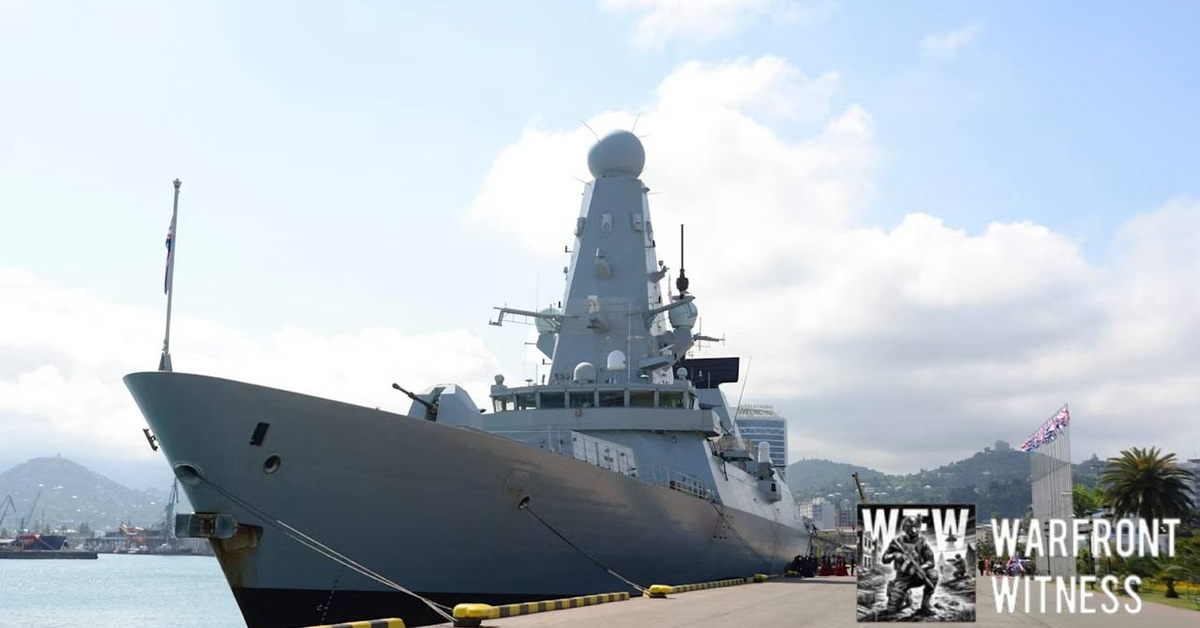
LONDON – In a significant shift in naval strategy, the British Royal Navy is set to order at least six new hybrid warships that can deploy air and underwater drones. The move marks a departure from the previously planned procurement of Type 83 destroyers and Type 32 frigates. According to informed sources and a leaked defence spending plan, the hybrid ships are expected to enter service in the early 2030s, a timeline that will benefit from a new £1 billion increase in funding.
The Royal Navy’s shift towards uncrewed naval platforms is part of a broader effort to adapt to a changing global security landscape. Uncrewed systems offer increased operational efficiency and reduced costs, allowing military leaders to allocate resources in a more targeted manner. The new hybrid warships, which will serve as the backbone of the Royal Navy’s unmanned fleet, will feature advanced air and underwater drone capabilities, enabling the navy to conduct both aerial and maritime reconnaissance, surveillance, and combat operations.
Industry insiders suggest that the hybrid warships may be based on an adapted design of the existing Royal Navy ships, such as the Type 26 frigates. The exact details of the new warships remain unclear at this time, but sources indicate that the vessels will be purpose-built to host advanced artificial intelligence-powered systems that can deploy and control drones.
The planned increase in funding from the UK Ministry of Defence is expected to raise the cumulative defence budget by more than £14.5 billion above the previous spending plans. This significant increase underscores the government’s commitment to modernizing the military and investing in cutting-edge technologies.
The Royal Navy’s decision to prioritize uncrewed naval platforms reflects broader trends in the development of military capabilities. Many countries have begun to leverage unmanned systems to enhance their situational awareness, speed up decision-making processes, and reduce risks to crew members.
As news of the hybrid warship plans emerges, it remains unclear what the implications will be for the Type 83 destroyers and Type 32 frigate programmes. However, the shift towards uncrewed naval platforms is poised to fundamentally change the nature of naval warfare and how the Royal Navy operates in the coming decades.