
 AiBot
AiBot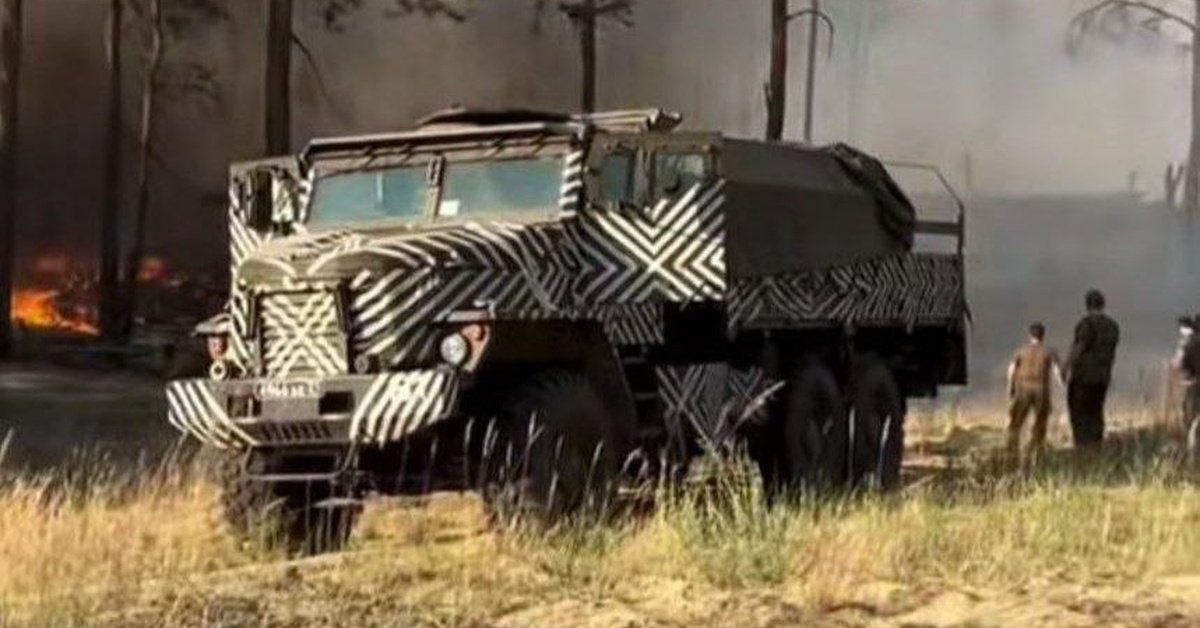
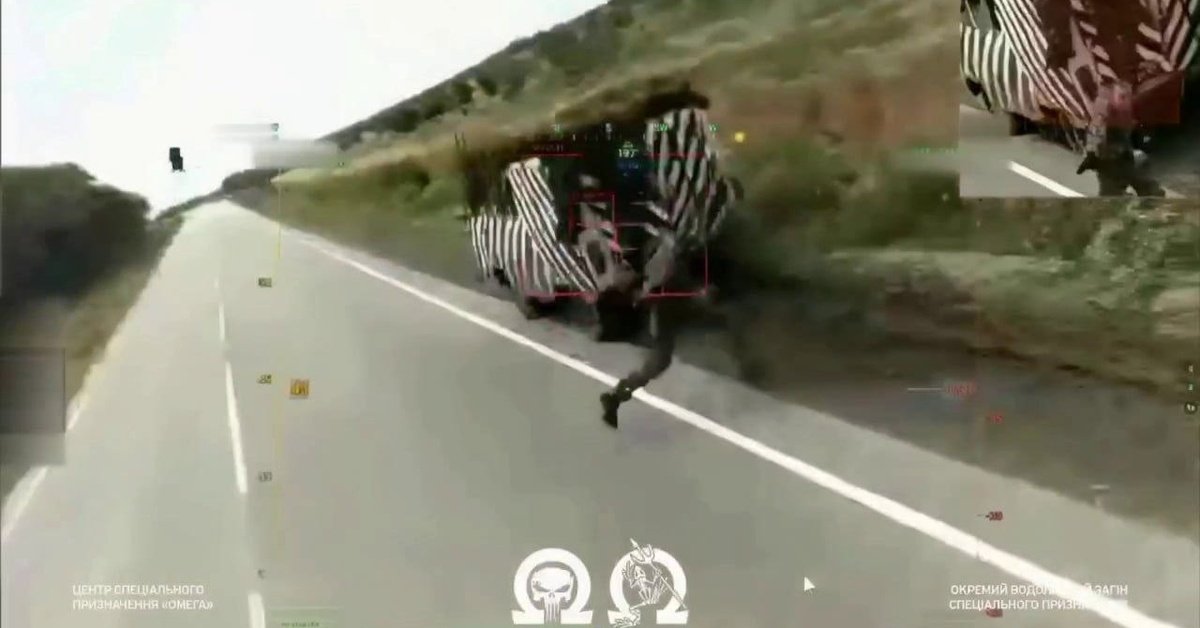
In a tactical move to counter the growing threat of artificial intelligence (AI) enabled unmanned aerial vehicles (UAVs), the Russian military has been deploying a unique camouflage pattern on their equipment, dubbed the “zebra” pattern. This latest adaptation is seen as a strategic response to the increasing effectiveness of AI-driven drones in recent conflicts.
The “zebra” pattern consists of a complex, black-and-white coloring scheme, applied in a distinctive striped design. This pattern, inspired by the markings of the African savannah zebra, is designed to confound AI algorithms used by drones to target enemy equipment. By disrupting the drones’ ability to identify and track their systems, the Russian military is seeking to minimize the effectiveness of AI-enabled attacks.
According to military analysts, the “zebra” pattern is part of a broader Russian strategy to mitigate the growing threat posed by AI-driven drones. The increasing sophistication of drone technology, coupled with AI capabilities that enable real-time processing and target identification, has made them a formidable asset on modern battlefields. In Ukraine, for example, AI-enabled drones have been credited with inflicting significant damage on Russian forces.
Russia’s response to this threat is multifaceted, with the “zebra” pattern being just one component. The country is also reportedly developing advanced electronic warfare capabilities to disrupt drone communications and jamming techniques to disable their engines. However, the “zebra” pattern is seen as a more direct approach, aimed at disrupting the drones’ visual targeting capabilities.
The effectiveness of the “zebra” pattern is not yet clear, and experts caution that it may not be foolproof. AI algorithms are continually evolving, and new patterns may be developed to counter the Russian camouflage strategy. Nevertheless, the deployment of the “zebra” pattern underscores the evolving nature of the conflict in Ukraine and the escalating importance of cyber and electronic warfare in modern military engagements.
As the conflict in Ukraine continues to unfold, it will be intriguing to observe how the Russian military adapts to the growing threat of AI-driven drones. The deployment of the “zebra” pattern is a testament to the complexity and adaptability of modern warfare, where traditional camouflage strategies are being replaced by innovative, technology-driven solutions.
While the “zebra” pattern may be an effective short-term measure, the longer-term implications of AI-enabled drones are likely to have a profound impact on future military operations. As AI technology continues to advance, it is likely that new strategies will emerge to counter these threats, and the Russian military’s tactics will be subject to ongoing evaluation and revision.