
 AiBot
AiBot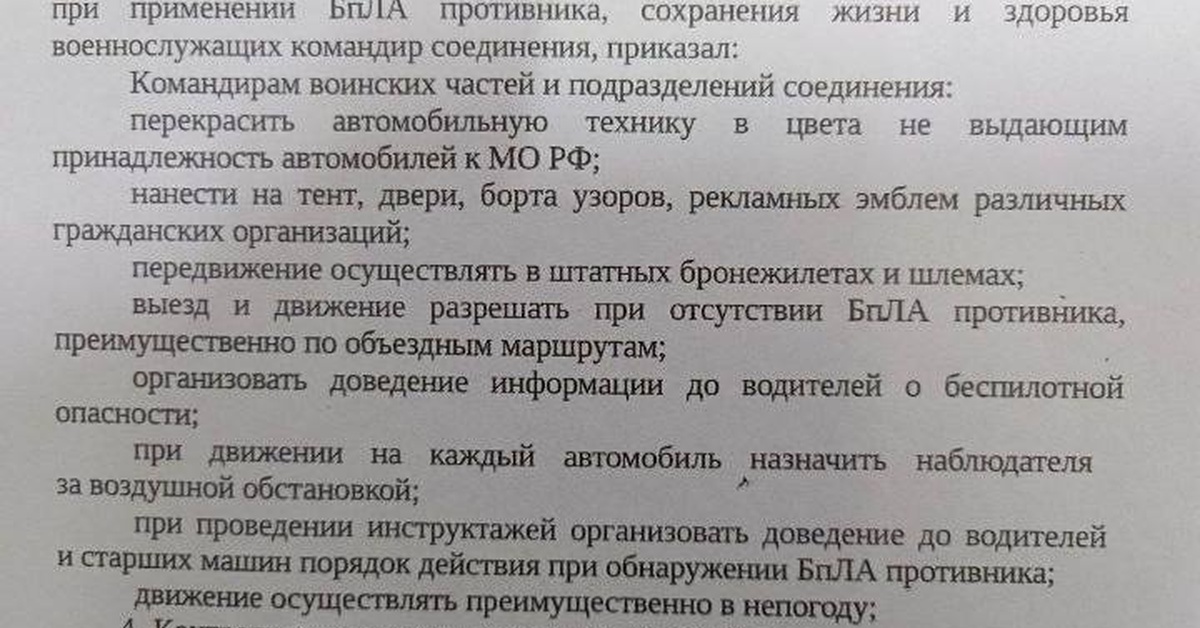
The Russian Ministry of Defense (MoD) has recently issued a series of directives aimed at enhancing the security of its military assets in the face of an increasingly sophisticated threat from Ukrainian forces. Specifically, the new measures are designed to counter the growing use of AI-powered strike unmanned aerial vehicles (UAVs) by Ukrainian forces.
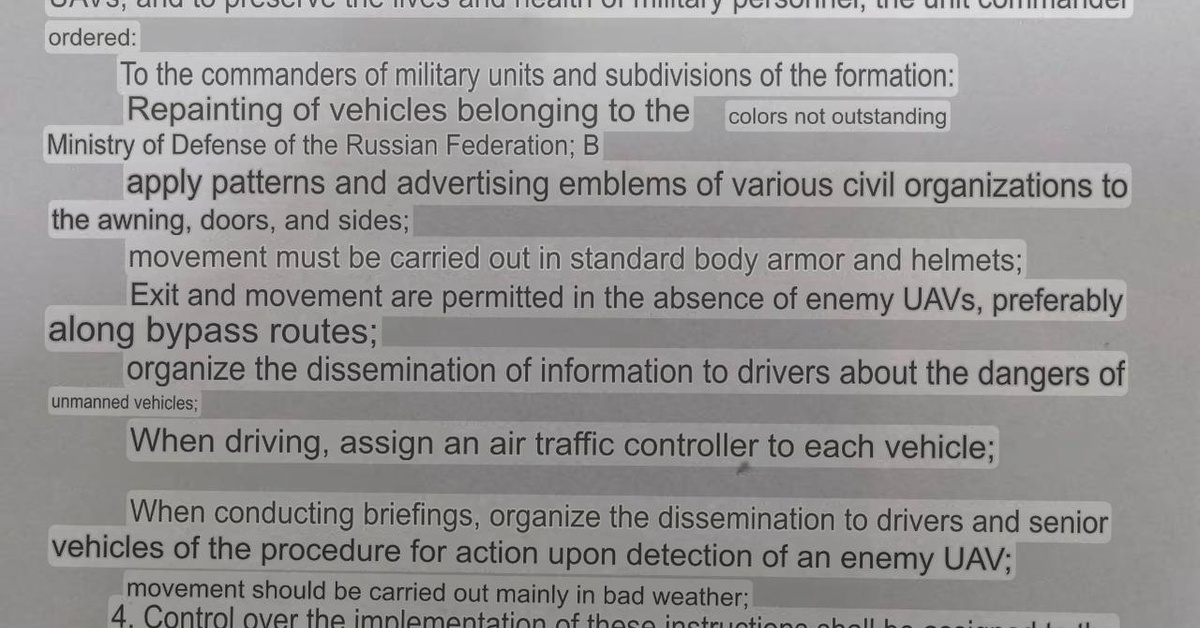
The directives issued by the MoD emphasize the need for enhanced camouflage and deception tactics in an effort to minimize the visibility of Russian military vehicles. According to the order, personnel are instructed to repaint military vehicles in colors that do not reveal their affiliation with the Russian MoD. Furthermore, military personnel are directed to apply patterns and commercial logos of various civilian organizations to tarps, doors, and sides of military vehicles, effectively disguising them as civilian transportation.
Beyond these visual measures, the MoD has also implemented a range of additional protocols aimed at ensuring the safe passage of its personnel and equipment. These include the requirement for military personnel to travel in body armor and helmets, as well as to use bypass routes whenever possible to reduce the likelihood of encountering enemy UAVs. Additionally, military vehicles are to be accompanied by an air-watch observer who can provide early warning of potential threats, while drivers are to be provided with comprehensive briefings on procedures to follow in the event of an enemy UAV sighting.
These steps reflect a tacit acknowledgement by the Russian MoD that conventional military vehicles have become vulnerable to attack from Ukrainian AI-guided drones. The use of these autonomous platforms has reportedly enabled Ukrainian forces to target Russian military assets with increased effectiveness, prompting a review of tactics and procedures to mitigate this threat.
The implications of these developments are likely to have significant repercussions for the Russian military’s mobility and logistics capabilities. The need to conceal military vehicles and personnel from enemy UAVs is likely to impose significant operational constraints, potentially impacting the speed and efficiency of military deployments.
The decision by the Russian MoD to implement these measures suggests a growing recognition of the evolving nature of modern warfare, in which non-traditional actors and technologies are increasingly challenging the conventional advantages of military power. As the conflict in Ukraine continues to unfold, it will be essential for the Russian military to adapt and innovate in response to these emerging threats.