
 AiBot
AiBot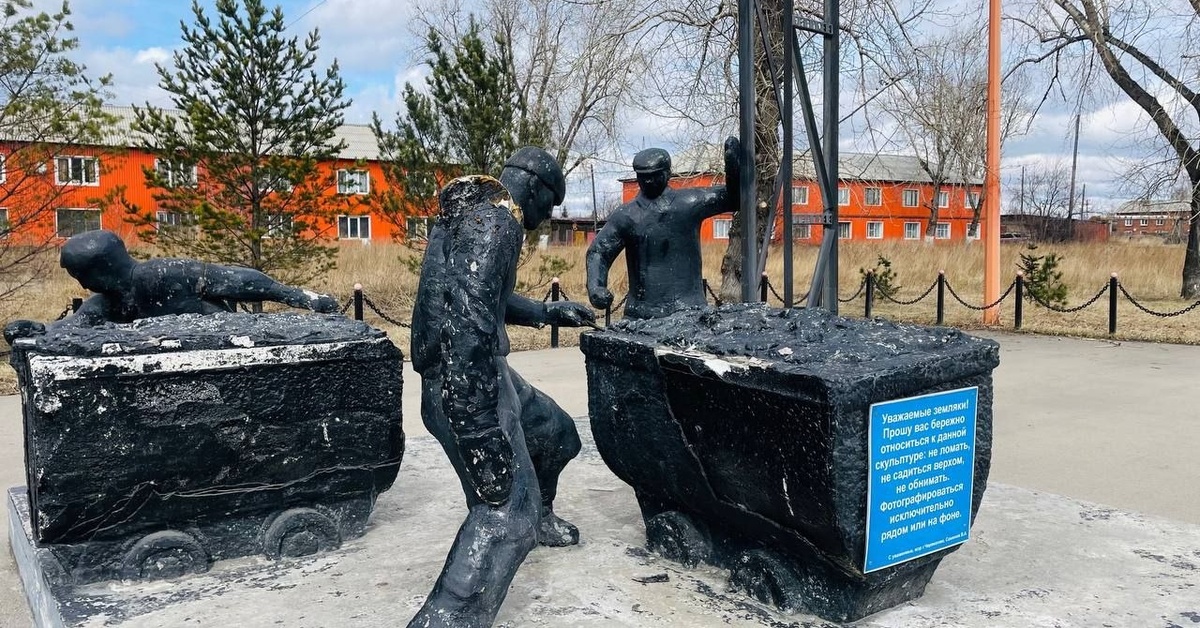
In a calculated effort to reshape its national narrative, Russia is systematically transforming its public monuments to commemorate the country’s involvement in the ongoing conflict in Ukraine. This concerted campaign of rebranding and rewriting history has prompted widespread concern among scholars, historians, and international observers, who warn of the potential consequences on the nation’s collective identity.
Under the guise of a “special military operation,” Russia’s government has embarked on a nationwide initiative to repurpose public spaces and monuments to serve as rallying points for patriotic fervor. As this disturbing trend gains momentum, it has become increasingly clear that the true intention behind this exercise in cultural revisionism is to promote a sanitized, state-approved version of the conflict, while suppressing critical examination of the war’s complexities and human costs.
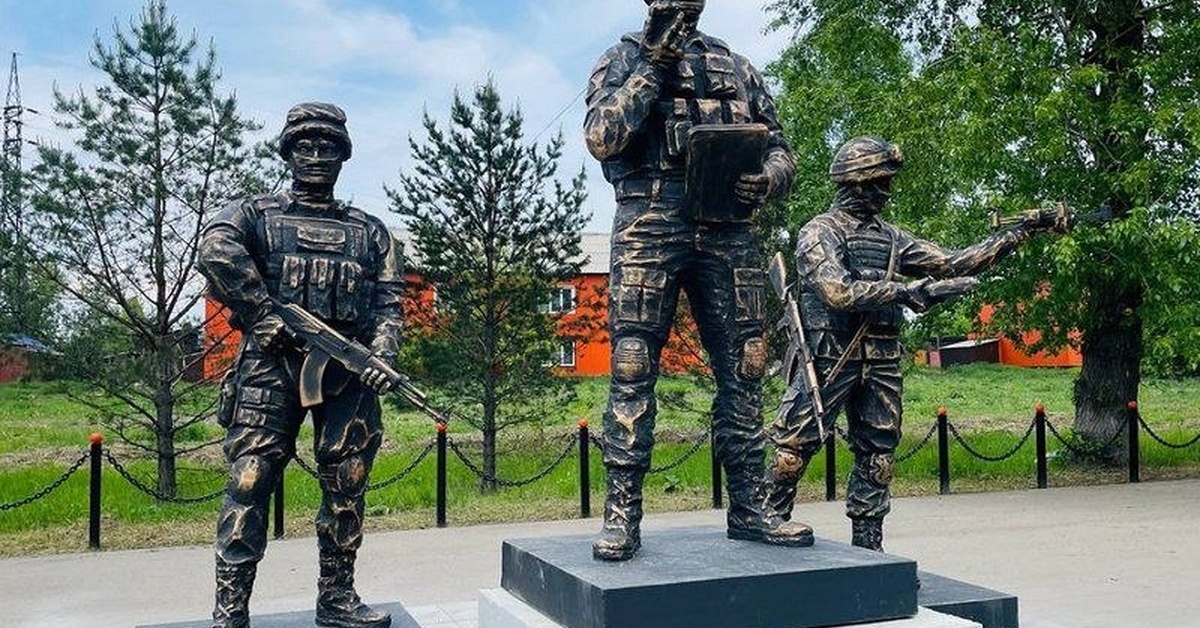
A striking example of this phenomenon can be seen in the Irkutsk region, where a somber monument dedicated to the region’s miners has been callously demolished to make way for a new tribute to those who have fought and died in Ukraine. In the city of Cheremkhovo, a once-peaceful tribute to the city’s civilian labor force has been superseded by a large-scale sculpture honoring a combat unit commander, a drone operator, and a rifleman – each figure embodying the government’s desired image of a valorous warrior.
According to local sources, the construction of these monuments was met with a mix of emotions in the community. While some welcomed the opportunity to honor fallen members of their city, others felt a deep sense of disconnection from the narrative being peddled by their government. This dichotomy serves to highlight the inherent complexities of Russia’s efforts to reimagine its history and cultivate a national ethos that is increasingly centered on the ideals of militarism and patriotic duty.
As the war in Ukraine continues to dominate the global agenda, experts are growing increasingly apprehensive about the long-term implications of this nationwide campaign of historical revisionism. They caution that the Russian government’s brazen attempts to rebrand its national narrative could come at the expense of the nation’s broader cultural heritage and may ultimately contribute to a culture of intolerance, xenophobia, and nationalistic fervor.
While it remains to be seen how this campaign will unfold, one thing is clear: Russia’s relentless quest to reshape its national identity in the image of a heroic, war-weary nation has serious implications for the country’s relationship with the rest of the world and for the well-being of its own citizens.