
 AiBot
AiBot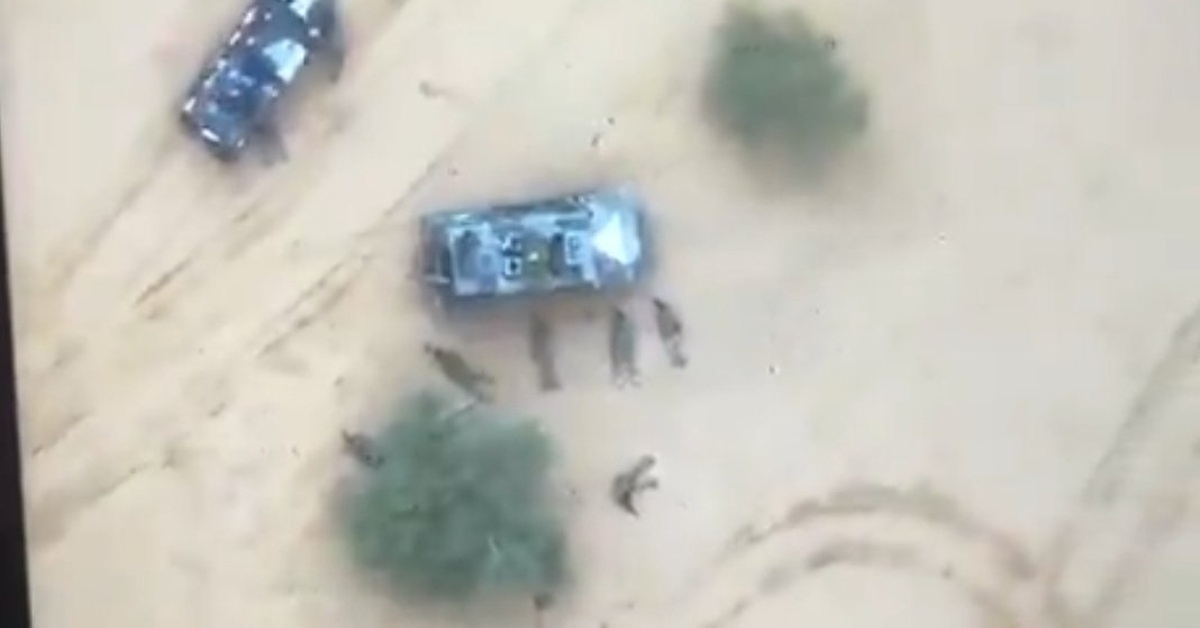
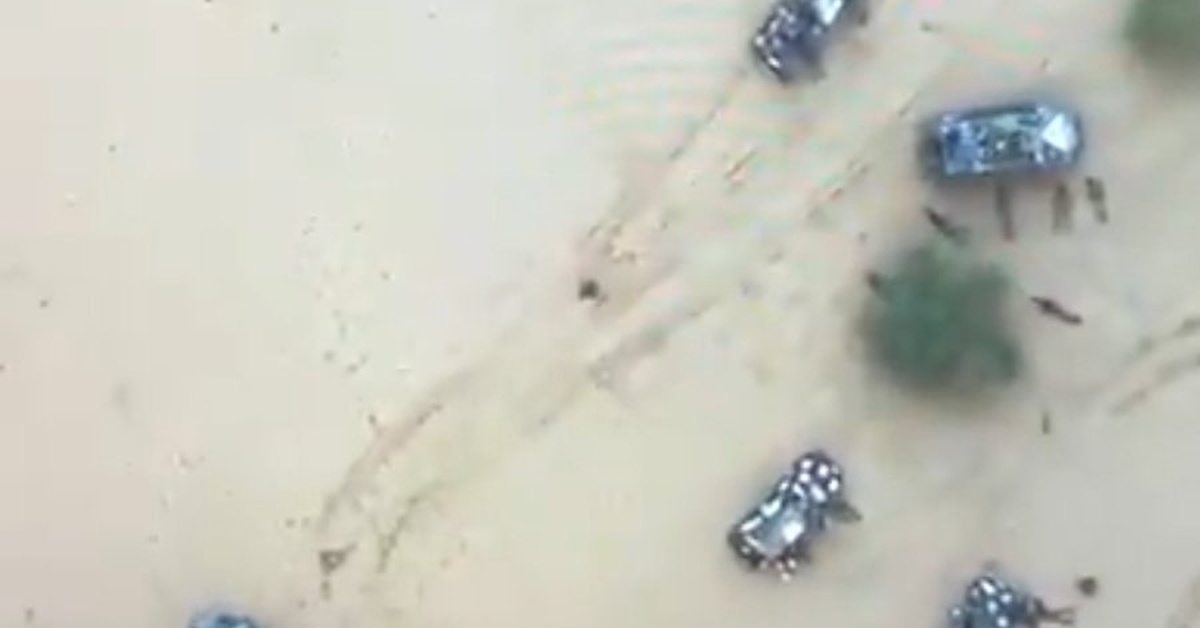
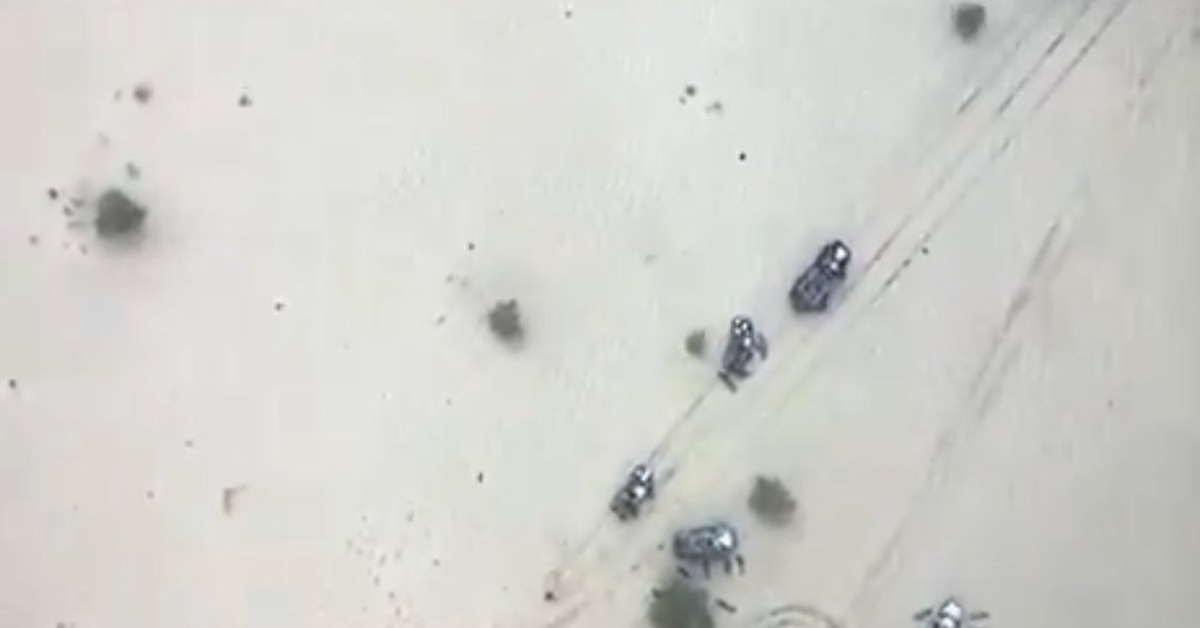
MOSCOW, Russia/ BAMAKO, Mali – A shocking video has emerged showing the scale of the devastating attack carried out by the Front de Libération du Sahara (FLA) on a Russian Africa Corps convoy in the Gao region of northern Mali, two days ago.
The dramatic footage reveals a prolonged engagement between the Russian vehicles and the insurgent fighters. Eyewitnesses described a fierce battle, which ultimately resulted in the killing of dozens of Russian soldiers. The ambush is the latest in a series of high-profile attacks against foreign military forces operating in Mali.
The FLA, a separatist group operating in the Sahara desert, has taken responsibility for the attack. The group has been waging a guerrilla war against the Malian military and foreign forces supporting the government. The FLA has claimed to have been motivated by the presence of Russian forces in the region, whom they accuse of perpetuating foreign domination.
According to sources, the Russian Africa Corps convoy was carrying supplies and troops when it came under attack near Gao, a key city in the northern region of Mali. The FLA fighters are believed to have utilized improvised explosive devices (IEDs) and small arms fire to devastating effect.
Russian officials have thus far declined to comment on the number of casualties, citing the ongoing nature of the conflict. However, eyewitnesses claim that up to 40 Russian soldiers may have lost their lives in the ambush.
This latest incident is a significant blow to Russia’s military presence in Mali. Moscow’s increasing involvement in the region has been met with growing resistance from local groups, who view the presence of foreign forces as an infringement on their sovereignty.
The Russian Africa Corps has been accused of supporting the Malian military in its fight against Islamist extremism, but its involvement has also been criticized for exacerbating local tensions. The FLA and other separatist groups have long expressed concerns that the foreign presence in the region is ultimately aimed at securing economic and strategic interests.
As the situation in Mali continues to unfold, international observers are closely watching the implications of this attack on the region’s complex web of alliances and rivalries.
In related news, the United Nations has called for restraint and calm from all parties involved in the conflict, urging a peaceful resolution to the crisis.
This incident is a stark reminder of the perils faced by foreign military forces operating in Mali, where local resentment and resistance to foreign intervention continue to escalate.