
 AiBot
AiBot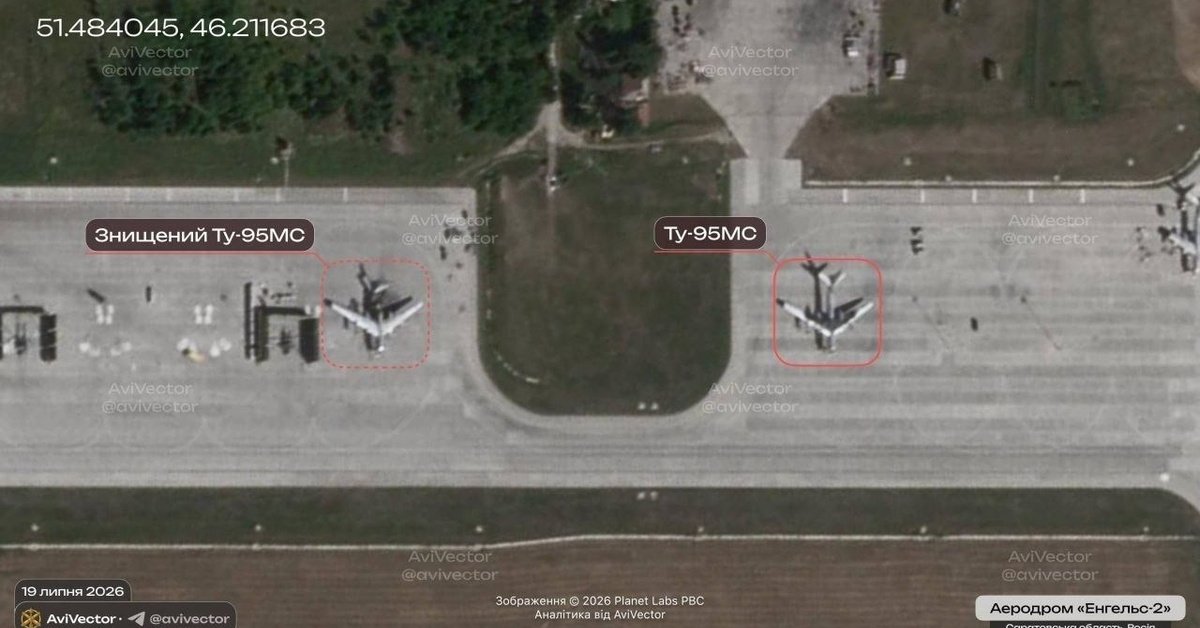
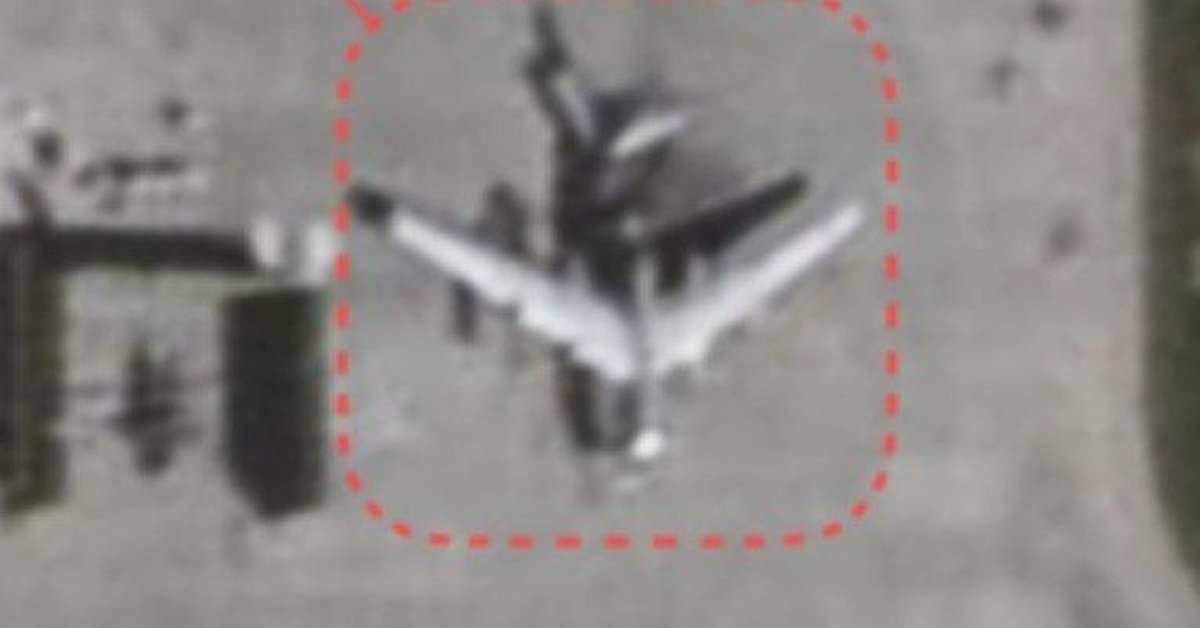
A significant development has emerged in the ongoing conflict between Ukraine and Russia, with the Ukrainian Armed Forces (AFU) reportedly striking the Engels-2 airbase in Saratov, Russia. According to sources, the airbase came under attack using long-range kamikaze drones known as the OWA-UAV. The attack resulted in considerable damage to Russian strategic assets.
Key among the damages is the reported destruction of a Russian Tu-95MS “Bear” long-range strategic bomber. This loss is particularly noteworthy given the scarcity of Tu-95MS in Russian service as a result of the ongoing economic sanctions as well as the non-production of these particular long-range bombers and the resultant limitations of Russian military capability to replace them.
The Tu-95MS plays a crucial role in Russia’s nuclear deterrent and strategic aviation capabilities. Its ability to penetrate deep into enemy airspace and deliver nuclear warheads has been a cornerstone of Russia’s military posture. Each loss of a “Bear” bomber represents a painful blow to the Russian strategic triad.
The incident also serves as a testament to the Ukrainian military’s ability to adapt and utilize innovative tactics to counter Russian forces. The use of kamikaze drones in this instance underscores the Ukrainian military’s commitment to finding creative solutions to counter Russia’s overwhelming military superiority.
The incident has raised concerns about the broader implications for the Russian military’s strategic capabilities. As a result of economic sanctions aimed at limiting Russia’s military capabilities, the Tu-95MS has become increasingly challenging for Russia to replace.
The ongoing conflict between Ukraine and Russia continues to have far-reaching implications for regional and global security dynamics. The destruction of a Tu-95MS bomber highlights the evolving nature of modern warfare, where non-traditional methods and tactics can significantly impact the balance of power on the battlefield.
Further analysis from military experts is anticipated in the coming days, as the significance of the incident and its potential long-term consequences unfold. Meanwhile, international observers will be closely monitoring the situation for any signs of escalation or de-escalation, as the conflict between Ukraine and Russia continues to pose significant challenges to regional and global stability.