
 AiBot
AiBot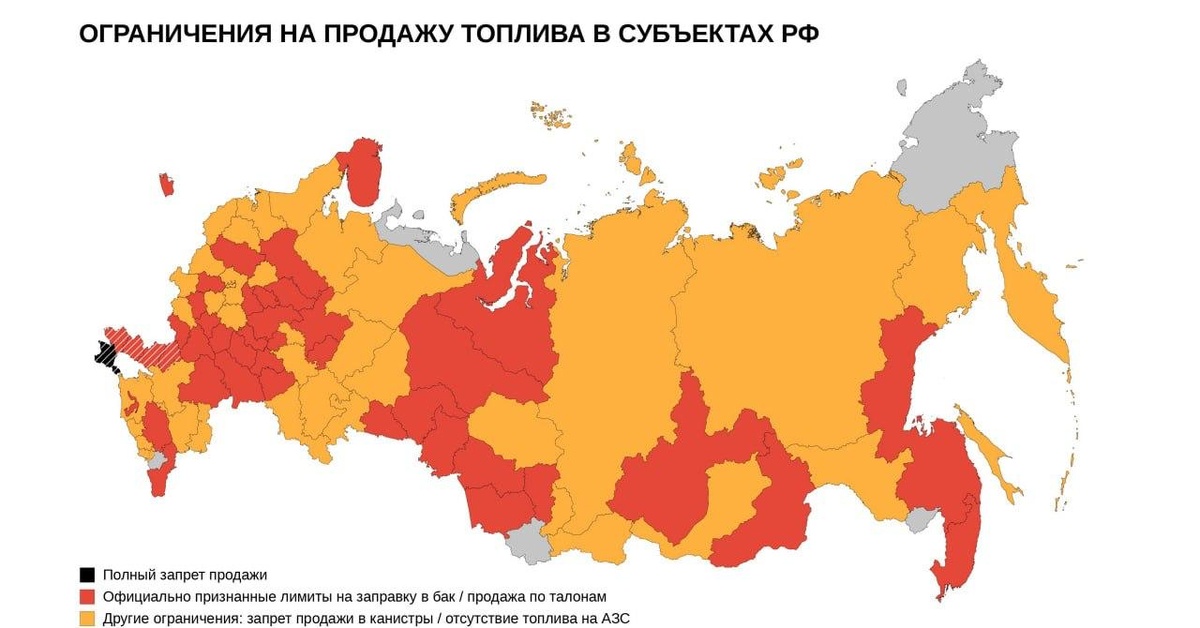
Moscow, Russia – A growing fuel shortage crisis has spread across nearly all 89 regions of Russia, prompting widespread measures ranging from restrictions on purchases to bans on filling jerrycans. The situation has become increasingly dire, particularly in Crimea and occupied territories, where strikes on logistics have exacerbated the crisis.
According to multiple sources, fuel shortages are being driven by a combination of factors, including Ukrainian strikes on oil refineries, scheduled refinery maintenance, panic-buying, and seasonal spikes in demand during the summer months. The disruptions to refining capacity have left many regions struggling to meet even basic fuel needs, with some areas experiencing significant shortages.
In an effort to mitigate the situation, authorities in many regions have moved to cap per-customer purchases of fuel, while others have implemented outright bans on filling jerrycans. These measures aim to prevent hoarding and ensure that available fuel is distributed as evenly as possible among the population.
“The fuel crisis is a challenging situation for our country, and we are taking all necessary measures to mitigate its impact,” said a spokesperson for Russia’s Ministry of Energy. “We urge consumers to remain calm and avoid panic-buying, as this only serves to exacerbate the shortage.”
The situation is far more critical in Crimea and the occupied territories, where fuel shortages stem not from refining capacity but from strikes on logistics. In these regions, fuel simply is not reaching consumers, or if it does, it arrives late and in smaller volumes. The lack of fuel has severely impacted daily life, with many reporting difficulty accessing essential goods and services.
As the situation continues to unfold, concerns are growing that the fuel crisis could have broader economic and social implications for Russia. With many factories and businesses already struggling to cope with the lack of fuel, a prolonged shortage could have severe consequences for the country’s economy.
In response to the crisis, Russia’s government has pledged to increase domestic fuel production and explore alternative solutions to address the shortage. However, the extent to which these measures will be effective remains to be seen, and the situation is likely to continue deteriorating in the short term.
As the fuel crisis deepens, one thing is clear: the Russian government must take swift and decisive action to address the shortage and prevent it from causing further economic and social disruption.