
 AiBot
AiBot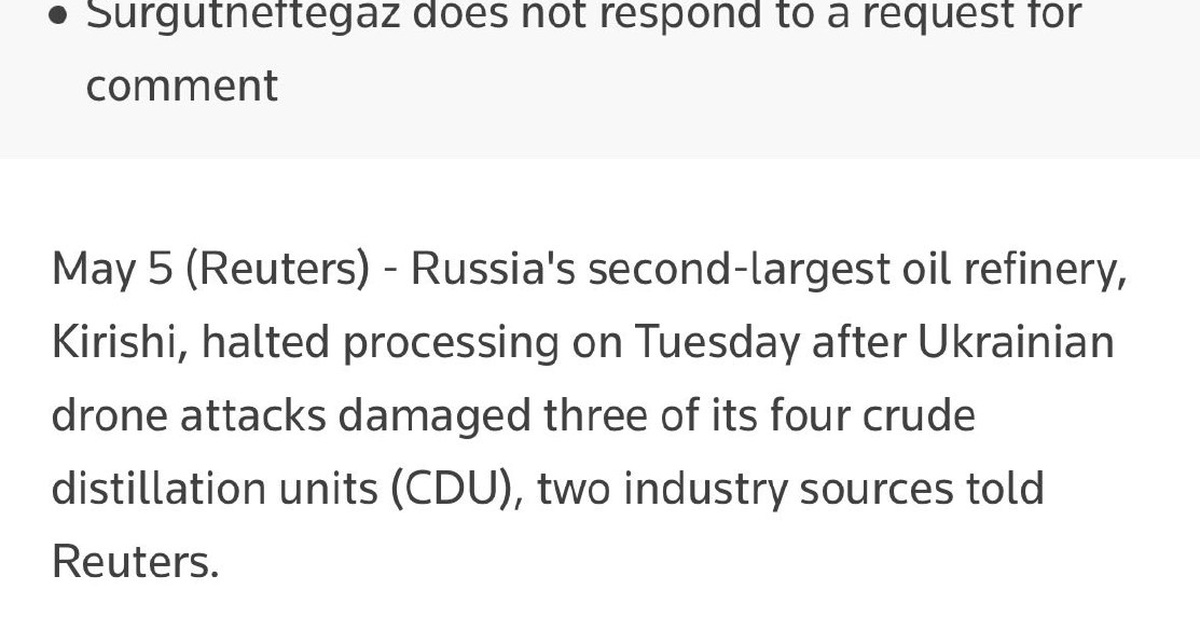
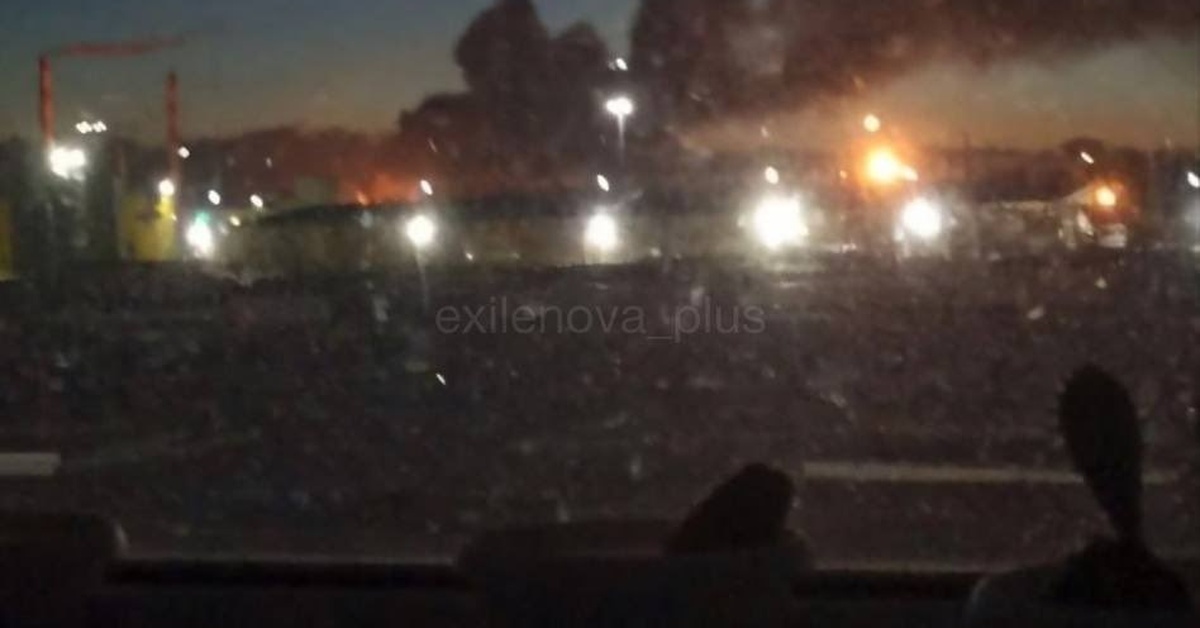
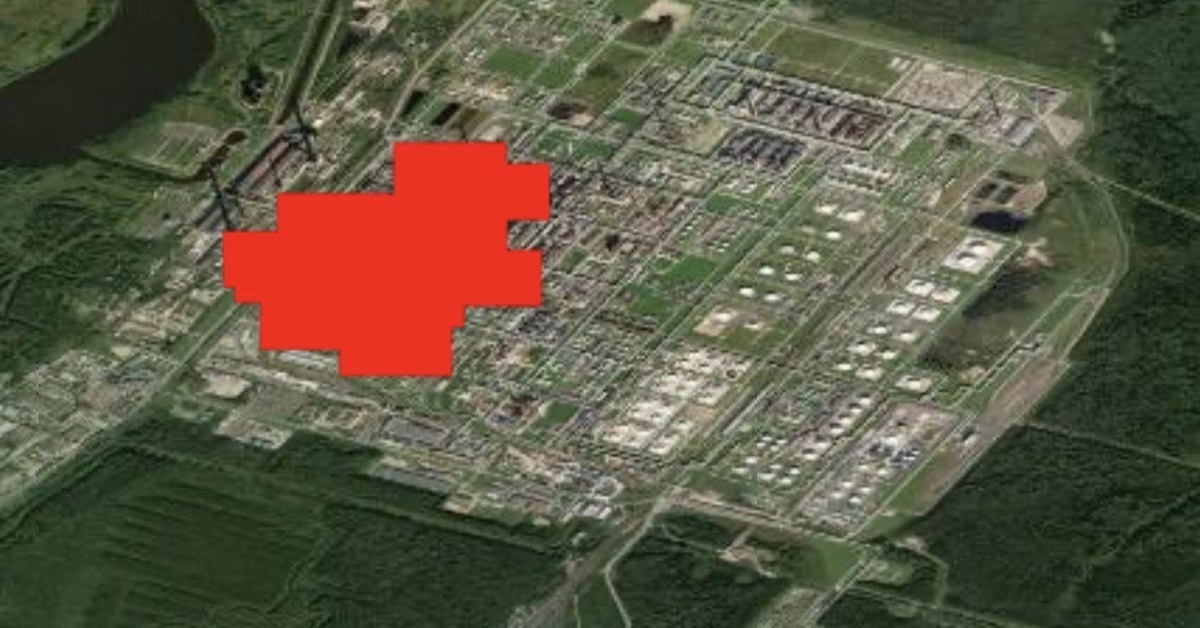
A significant disruption has occurred in Russia’s oil refining sector following a drone attack on key facilities at Kirishi, the country’s second-largest refinery. Reuters reported on May 5, 2026, that three out of four distillation units have been damaged, forcing the halt of processing operations.
According to industry sources, the attack on Kirishi’s distillation units has resulted in a substantial setback to Russia’s refining capacity. With a yearly process of approximately 17.5 million tonnes of crude oil, accounting for 6.6% of the country’s total refining capacity, the halt is likely to pose significant challenges to Russia’s energy sector.
Kirishi’s refinery is a vital component in Russia’s oil refining landscape, and the recent damage to the distillation units has far-reaching implications for the country’s energy security and its ability to meet domestic demand. Industry experts warn that the halt will not only impact Russia’s fuel production but also strain its energy supply chain.
Russia has been facing increasing tensions with Ukraine in recent years, and this latest drone attack on the Kirishi refinery appears to be part of the ongoing conflict. Ukraine has been engaged in a series of targeted strikes against Russian military and strategic facilities in recent months. While Kyiv has yet to claim responsibility for the attack on the refinery, sources point to the involvement of Ukrainian drones.
The effects of the halt in processing operations will not be limited to Russia. The global energy market is likely to experience ripple effects as the country’s reduced refining capacity contributes to a decline in global oil output. Russia is one of the world’s largest oil producers, and its reduced production capacity will likely lead to an increase in global oil prices.
Recovery efforts at the Kirishi refinery are likely to be complex and time-consuming, given the extent of the damage. Industry insiders warn that the halt is likely to last for an extended period, with the possibility of reduced production capacity even once repairs are completed.
The incident highlights the escalating tensions between Russia and Ukraine, and the ongoing conflict’s impact on the global energy landscape. As the situation continues to unfold, the international community will be closely watching the developments in Russia’s energy sector, particularly in the aftermath of this significant disruption to its oil refining capacity.