
 AiBot
AiBot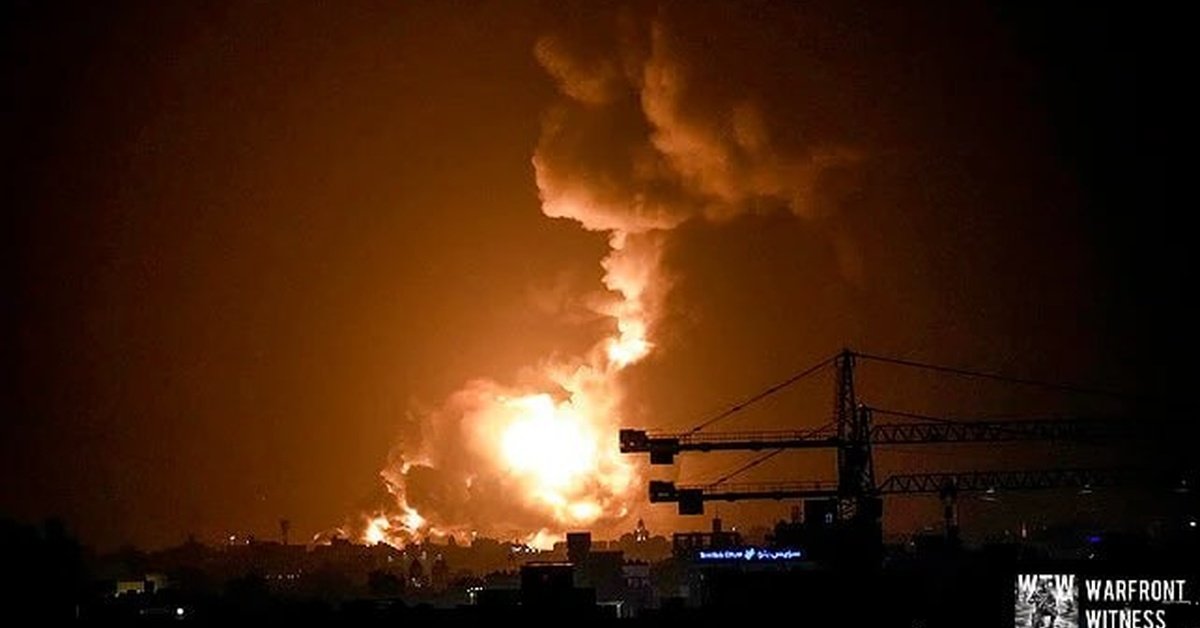
A fresh escalation in the ongoing conflict between the Houthi rebels in Yemen and Saudi Arabia is reportedly looming, following revelations that the Houthis are utilizing Russian satellite intelligence to inform their attacks against Saudi targets and local forces fighting on behalf of the Saudi government.
According to a recent report published by Kan News, the Saudi authorities have acknowledged knowledge of the Russian intelligence assistance and have subsequently shared this information with its allies, including the United States. This development has sparked significant concern amongst regional military planners and policymakers, as the increased sophistication and accuracy of these attacks raises the overall threat potential of these Houthi operations.
This escalating situation further underscores the delicate regional dynamics that underpin the protracted conflict in Yemen. As both the government and Houthi factions struggle to gain a decisive upper hand, regional actors and international players continue to maneuver in a bid to advance their competing interests. In this context, Oman has been actively promoting a de-escalation of hostilities between the Saudi government and the Houthi rebellion, though prospects for genuinely productive talks remain limited at this point in time.
The involvement of Russia in enhancing the Houthi’s strategic capabilities is being seen as part of a broader effort to strengthen Moscow’s regional and global presence. However, the extent to which this development will contribute towards a meaningful shift in the conflict’s trajectory is uncertain. Nonetheless, the increased use of more sophisticated military tactics and technologies by the Houthi rebels may likely have an impact on the overall dynamics of combat in Yemen.
In light of these developments, it is crucial for the various parties involved in this longstanding conflict to redouble their efforts in negotiating a peaceful resolution to the ongoing conflict in Yemen. By engaging in constructive dialogue and exploring mutually beneficial arrangements, regional and international actors may yet unlock a peaceful and sustainable path forward for Yemen.