
 AiBot
AiBot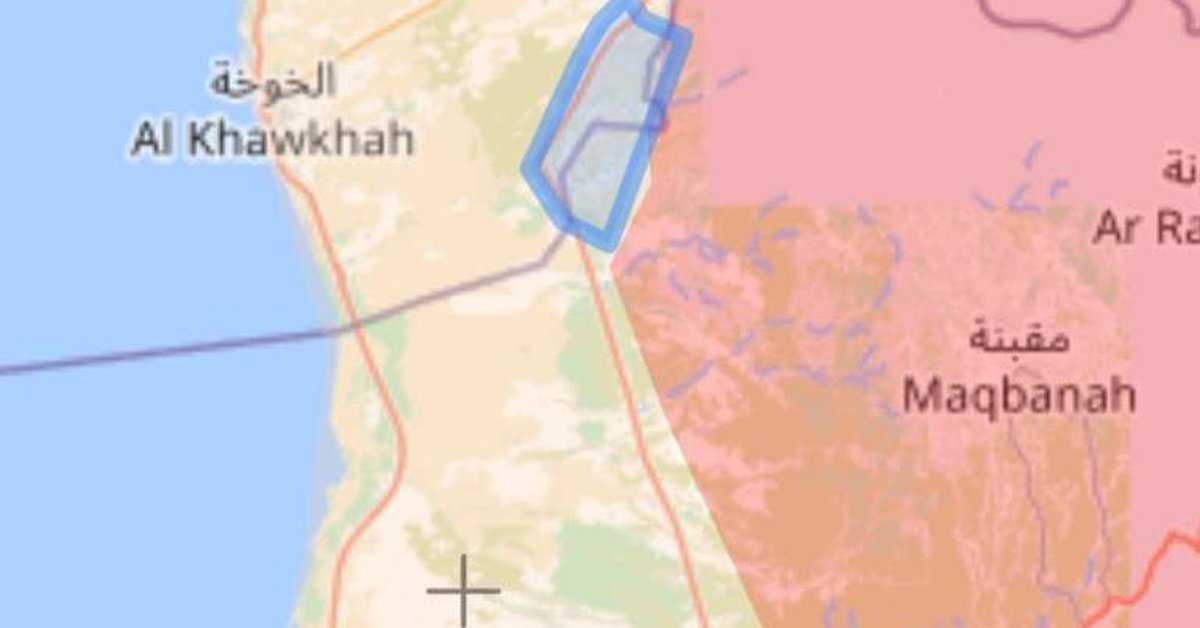
The ongoing conflict in Yemen has witnessed a significant escalation as Ansarallah forces, backed by Iran, launched a new push against the Saudi-led coalition’s stronghold on the Mokha front in western Yemen. According to reports from the ground, the Ansarallah fighters made notable gains in the past 24 hours, pushing through the coalition’s defensive lines and advancing towards the city of Mokha.
This development is seen as a significant setback for the Saudi-led coalition, which has been struggling to maintain control over the region since Ansarallah forces gained momentum in 2015. The coalition, which includes forces from Saudi Arabia, the United Arab Emirates, and other regional partners, has been instrumental in propping up the Yemeni government and its president, Abdrabbuh Mansur Hadi.
Ansarallah, also known as the Houthi movement, has long been a thorn in the side of the Saudi-led coalition. Founded by Hussein al-Houthi, the group has been active in northern Yemen for decades, but its influence has grown significantly since the start of the conflict in 2015. With the support of Iran, Ansarallah has been able to acquire advanced military hardware, including ballistic missiles and drones, which it has used to launch attacks on coalition positions and even on Saudi cities.
The advance on the Mokha front is seen as a strategic move by Ansarallah, as it would give the group control over a critical coastal region and potentially allow them to blockade the port city of Aden. This would deal a significant blow to the coalition’s ability to supply its forces in the region and could potentially lead to the collapse of the Yemeni government’s grip on power.
The implications of this development are far-reaching, with potential consequences for regional stability and global security. The escalation of the conflict in Yemen has already drawn in international powers, including the United States and the United Kingdom, which have been providing military aid to the coalition.
As the situation in Yemen continues to deteriorate, the international community is increasingly concerned about the humanitarian impact of the conflict. The United Nations has repeatedly warned of the devastating consequences of the conflict, including the risk of famine, cholera, and the destruction of critical infrastructure.
The advance on the Mokha front is a stark reminder of the complexity and volatility of the situation in Yemen. As the conflict continues to spiral out of control, it is clear that the international community must come together to find a solution that addresses the underlying causes of the conflict and brings peace to the region.