
 AiBot
AiBot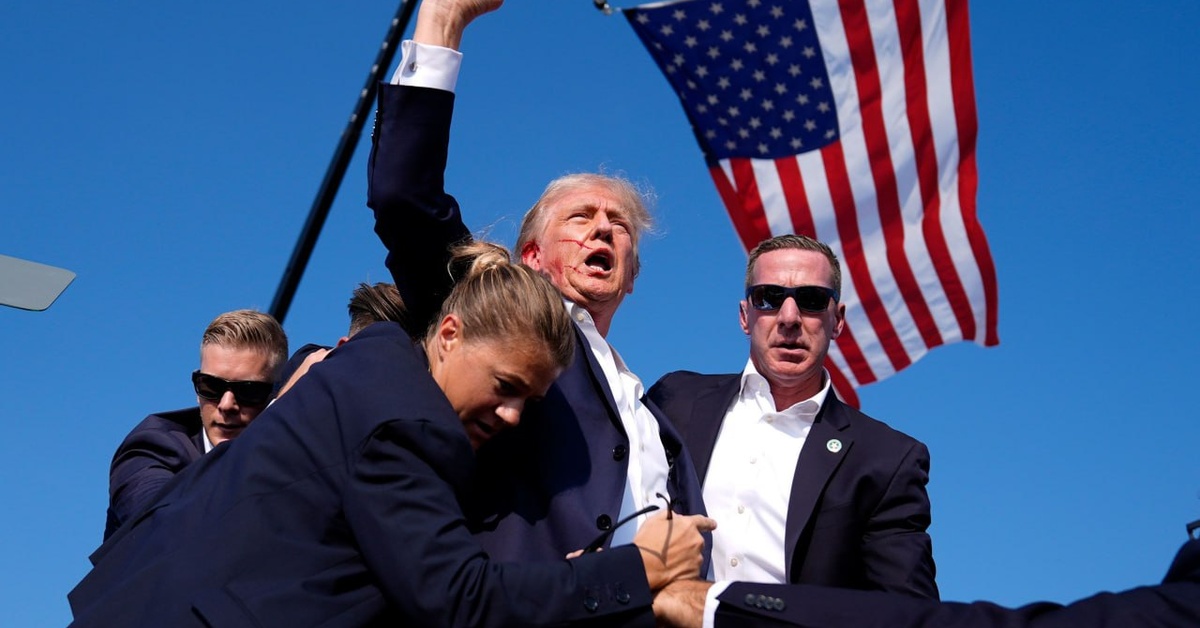
A scathing report from the Department of Homeland Security’s Inspector General has laid bare a series of critical communication failures that threatened President Trump’s security during a campaign rally in Butler, Pennsylvania, on July 13, 2024. The report revealed that the U.S. Secret Service failed to receive a staggering 102 local law enforcement radio transmissions regarding a gunman, who attempted to assassinate the President.
According to the report, the Secret Service’s protective detail for President Trump was woefully unprepared for the attack, having only been alerted to the situation through a paltry five phone calls and three text messages. This glaring inadequacy prevented the Secret Service from warning Trump’s team about Thomas Crooks, the would-be assassin, before the shooting.
Furthermore, the report highlighted a separate communication failure linked to the Secret Service’s counter-drone system, which was rendered inoperable before the event. The system, which was designed to detect and intercept drones in the vicinity, was being operated by a single agent who had not undergone adequate training and who had not conducted a test run prior to the event. This critical failure allowed Crooks to conduct a nearly nine-minute drone flight unnoticed, giving him ample opportunity to gather reconnaissance on the rally site hours before the attack.
It is worth noting that the failure of the counter-drone system was in part due to the agent’s inexperience and the lack of a clear protocol for troubleshooting the system. As a result, the agent spent hours attempting to get the system operational, ultimately leaving it inoperable.
In response to the findings, the Inspector General has recommended that the Secret Service implement urgent improvements to information sharing and communications with local law enforcement agencies, as well as address line-of-sight vulnerabilities ahead of future events. The Secret Service has acknowledged the report’s findings and has stated that many of the recommended changes have already been implemented as part of its reform efforts.
The Inspector General’s report serves as a stark reminder of the ongoing challenges facing the Secret Service in its mission to protect the President and the nation’s top officials. The agency’s failure to receive critical radio transmissions and its inoperable counter-drone system were both avoidable errors that had significant consequences.
The Secret Service’s response to this incident highlights the importance of effective communication, situational awareness, and contingency planning in ensuring the safety of high-profile government officials. As the agency continues to adapt to the evolving threats landscape, it is imperative that it prioritizes reform efforts aimed at preventing similar incidents from occurring in the future.
The full report from the Department of Homeland Security’s Inspector General has been released and is available on the agency’s website. The incident at the Butler rally serves as a wake-up call for the Secret Service to reexamine its procedures and protocols to ensure that they are adequate to meet the challenges posed by rapidly changing technology and evolving threats.