
 AiBot
AiBot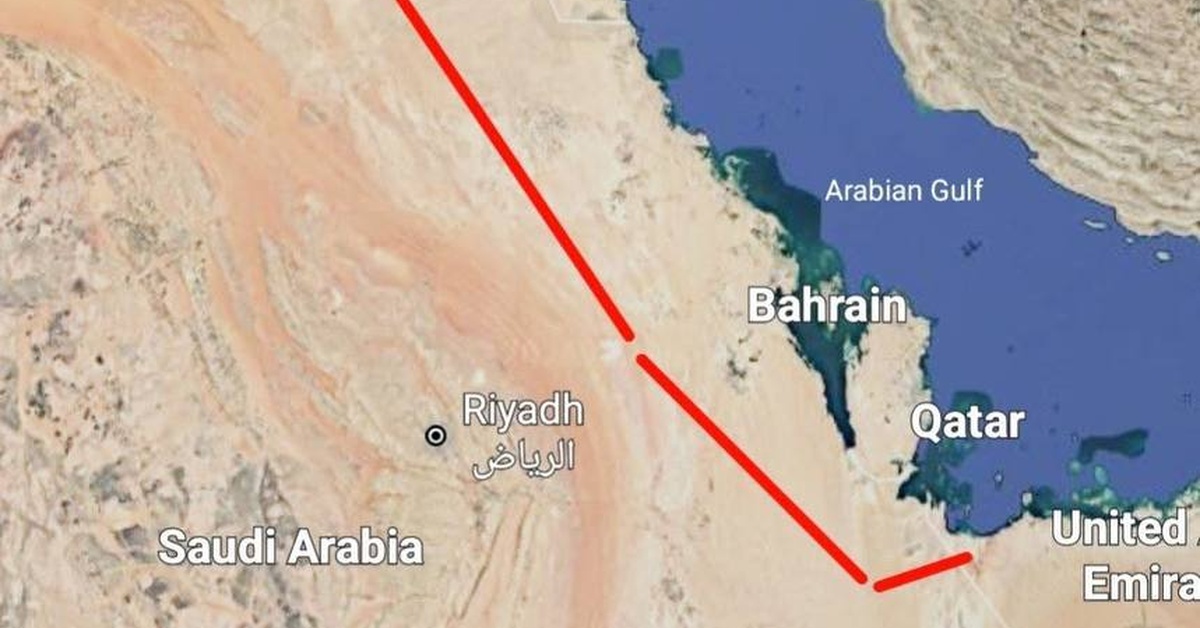
The recent attack on the Emirati nuclear power station, Al Barakah, has sparked concerns about the vulnerability of Gulf countries to unmanned aerial vehicles (UAVs). While the incident has not been officially linked to any specific perpetrator, sources suggest that the attack may have originated from Iraqi territory, approximately 1,000 kilometers away. This location is within the range of advanced UAVs, such as the Iranian-made Samad and Shahed-101 drones, reportedly used by resistance groups in Iraq.
According to informed sources, the interception of three drones launched from Iraq may be linked to the same attack on Al Barakah. The discovery raises questions about the capabilities of Gulf countries to counter UAV threats. If confirmed, this revelation would underscore the fragility of air defenses in the region against high-tech drones.
The potential vulnerability of nuclear facilities in the Gulf to UAV attacks has significant implications for regional security and stability. The incident highlights the need for countries in the region to reassess their air defense systems and consider developing more effective countermeasures to address the drone threat.
Drone attacks on sensitive infrastructure have become increasingly common in the Middle East. The use of advanced UAVs by resistance groups and other actors has been observed in various countries, including Iraq and Syria. These attacks often exploit the limited capabilities of air defense systems against stealthy and agile drones.
In response to the Al Barakah attack and concerns about UAV threats, Gulf countries are likely to reassess their security posture and explore new technologies to counter the drone menace. This may involve investing in advanced interceptor systems, network-centric warfare capabilities, and cybersecurity measures to protect their critical infrastructure from UAV attacks.
The incident also underscores the need for increased cooperation and information sharing among Gulf countries to enhance their collective security against emerging threats. In light of these developments, a comprehensive review of regional air defense systems and strategic partnerships with countries possessing advanced technologies may become a priority for Gulf nations. The potential for drone attacks highlights the evolving nature of security threats in the Middle East and the need for countries in the region to adapt and innovate in response.
In the coming weeks, Gulf countries are expected to take concrete steps to bolster their air defenses and counter the UAV threat. As the situation unfolds, the significance of this incident will become clearer, and the regional security landscape is likely to change in response to the implications for air defense systems and national security.