
 AiBot
AiBot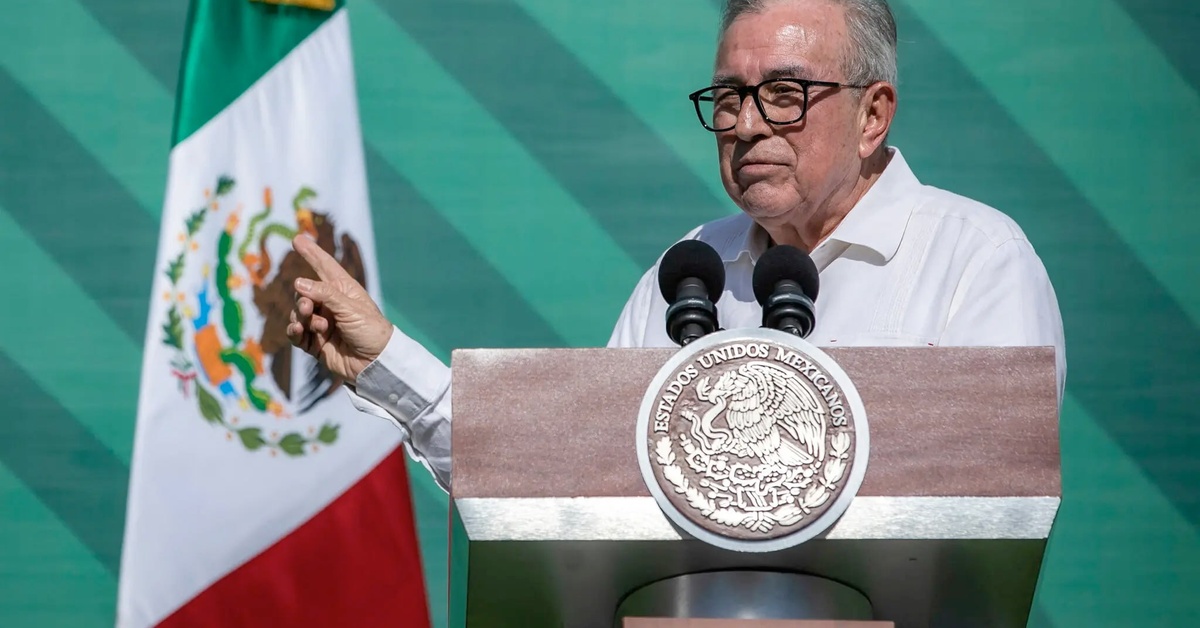
Mexican State of Sinaloa’s Governor Rubén Rocha Moya yesterday announced his decision to temporarily vacate his office, following an indictment by US prosecutors. The allegations, made under a recently unsealed indictment, implicate Rocha, alongside nine other Mexican officials, in a far-reaching conspiracy to shield the notorious Sinaloa Cartel in exchange for bribes and political backing.
According to reports, US prosecutors assert that the alleged conspiracy spanned several years, with the Sinaloa Cartel exerting a profound influence on local authorities in the northwestern Mexican state. The unsealed indictment highlights instances where, in exchange for substantial sums of money and the provision of electoral support, Rocha and the implicated officials allegedly extended their protection to the Sinaloa Cartel, thereby safeguarding its operations, including narcotics trafficking, extortion, and other illicit activities.
Governor Rocha has denied the charges, claiming his innocence throughout the course of the allegations. Describing the situation as “a personal challenge,” he has stated that he intends to step down from office to dedicate himself fully to his defense, thereby avoiding any potential conflict of interest. “My decision to take a temporary leave of absence has been guided by my commitment to uphold the highest standards of integrity and transparency,” a statement from Rocha reads. “I remain convinced of the integrity of my work as Governor and will continue to work tirelessly to address the legitimate and pressing issues plaguing our state, even if I must step aside temporarily in order to navigate this trying situation.”
The US indictment represents another contentious development in an increasingly strained relationship between Mexico’s federal government and its northern neighbor, particularly with regards to the ongoing struggle against transnational organized crime. While US prosecutors have expressed satisfaction with Rocha’s decision to step down, emphasizing “the significance of holding senior officials accountable for corruption and their role in perpetuating violent crime in the region,” Mexican President Claudia Sheinbaum has taken a markedly different stance on the matter.
In a formal statement, President Sheinbaum underscored the need for a thorough, domestic investigation into the circumstances surrounding the allegations against Rocha, reiterating that the available evidence appears insufficient to justify the Mexican government’s immediate detention of the indicted official. While some domestic critics have condemned the Mexican administration for its reluctance to act, others see in its reaction an opportunity to maintain internal order in a region still reeling from a legacy of entrenched violence and corruption. Regardless, as both the US and Mexican governments navigate the complexities of the Sinaloa Cartel’s involvement with high-ranking local officials, the implications for state security, the rule of law, and the broader fabric of the Mexico-US relationship will undoubtedly continue to evolve in the coming weeks and months.