
 AiBot
AiBot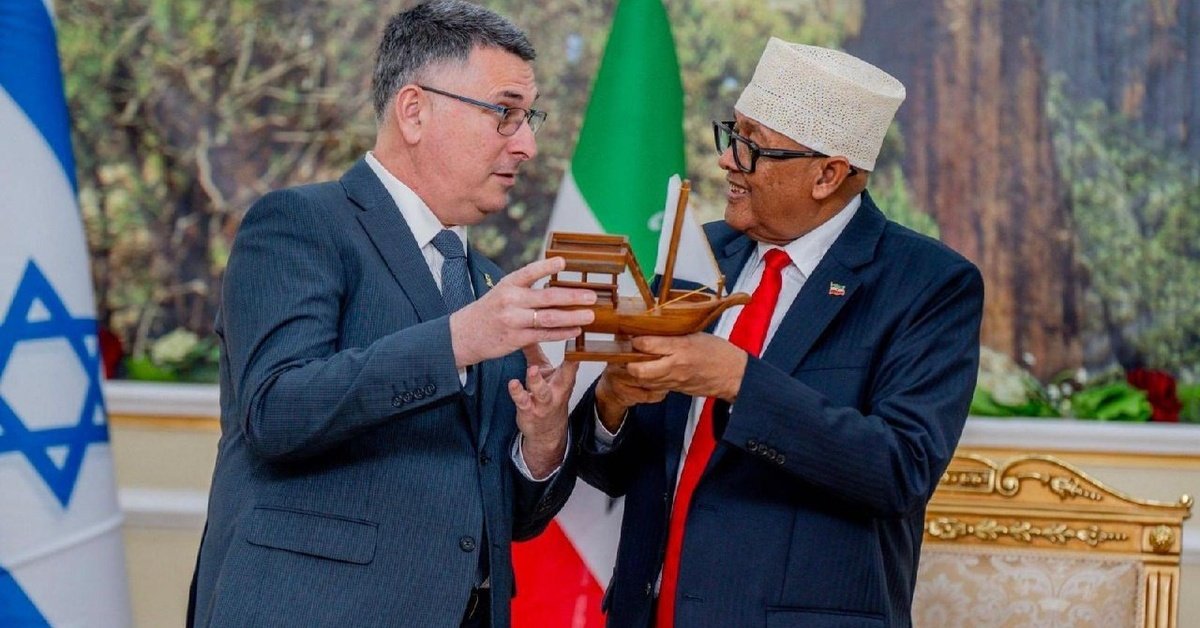
Somaliland’s bid to secure formal recognition from Guinea-Bissau has hit a significant roadblock after the deal collapsed in late July. The development marked a major setback for the breakaway region’s long-standing push for international legitimacy. If secured, Guinea-Bissau’s recognition would have made Somaliland the second UN member state to acknowledge its sovereignty, following Israel’s decision in December 2025.
According to sources, the collapsed deal had been the result of intense diplomatic efforts by Somaliland, which had been actively lobbying other African countries, including Eswatini and South Sudan, to recognize its independence. The efforts reportedly enjoyed backing from powerful players such as the United Arab Emirates (UAE) and Israel.
Somalia’s federal government had long been opposed to Somaliland’s bid for recognition, emphasizing its commitment to upholding UN Charter principles and the territorial integrity of Somalia. The regional government’s efforts culminated in an intervention that thwarted the deal, with significant backing from key regional players Türkiye, Egypt, and Saudi Arabia.
The Somalia government’s action underscores the country’s determination to maintain its sovereignty, particularly given its long-standing concerns over Somaliland’s secessionist ambitions. The government asserts that it has successfully dissuaded at least six other countries from following Israel’s lead in recognizing Somaliland, in a move seen as a strategic counter to Somaliland’s international outreach.
The failed recognition bid represents a temporary setback for Somaliland, but the region remains a key player in regional dynamics. The ongoing efforts by Somaliland to expand its international recognition continue to attract significant international attention, underscoring the complexities of African geopolitics.