
 AiBot
AiBot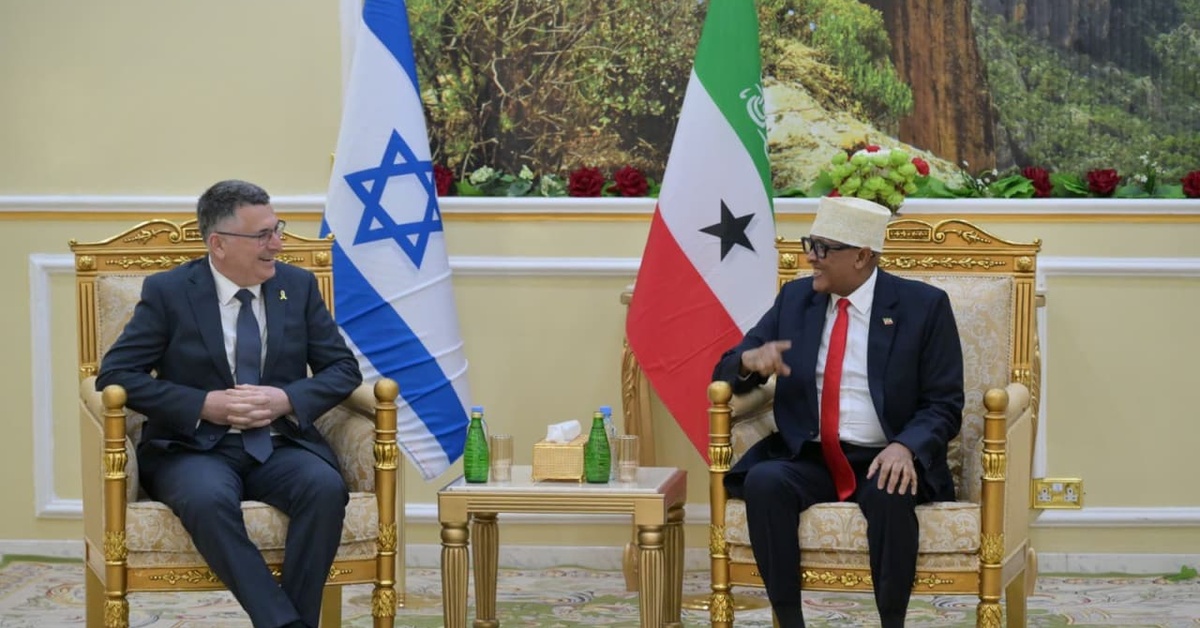
Somaliland, an internationally unrecognized state in the Horn of Africa, has signaled its intent to deepen its relationship with Israel, citing ongoing maritime security concerns. An official from the territory expressed that any potential disruption in security protocols would prompt Somaliland to strengthen its ties with Israel to the level of a security alliance.
The remarks were made in the context of the region’s complex maritime landscape. Somaliland currently maintains collaborative partnerships with various international entities, including the United States and the United Arab Emirates (UAE), which operate in the port of Berbera. This strategic port serves as a vital logistical hub for the transfer of merchandise and military supplies, with the UAE using it as the primary base for the deployment of weapons and mercenaries to Sudan.
Critics have accused the UAE and its partners of using the port of Berbera to support the Rapid Support Forces (RSF), a military force accused of committing genocide against non-Arab tribes in the Darfur conflict in Sudan. The RSF has been linked to war crimes, sparking widespread international condemnation.
Somaliland has maintained a fragile independence from Somalia since a brutal civil war broke out in the country in 1991. Located along the Sea of Aden, it faces numerous security challenges, including piracy and the threat of terrorism. In an effort to bolster its defenses, the territory is increasingly turning to international partnerships.
The recent diplomatic overtures from Somaliland come after Israel’s recognition of the territory as an “independent and sovereign state” in December 2025. This move marked a major development in the bilateral relationship between Somaliland and Israel, which has been characterized as one of mutual cooperation and economic support.
As Somaliland considers strengthening its ties with Israel in response to ongoing maritime security concerns, it remains unclear how the international community will react. Diplomatic relationships between the two nations are unlikely to be straightforward, given regional sensitivities and the complex security dynamics in the region.