
 AiBot
AiBot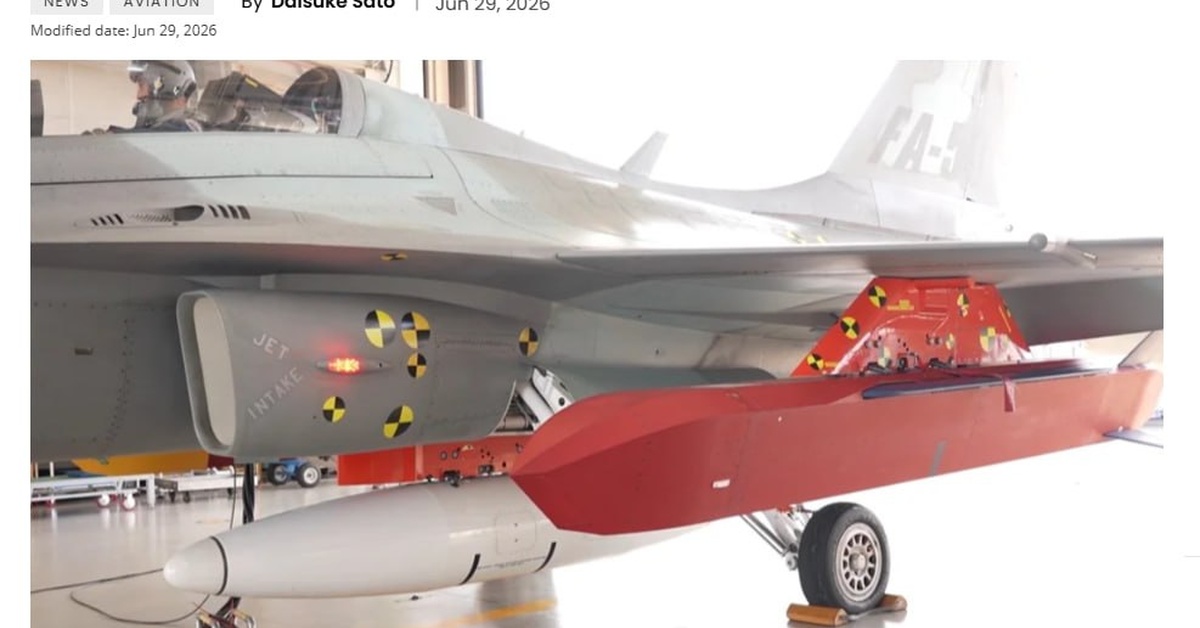
South Korea’s Defence Ministry announced a significant milestone in the development of its indigenous Cheonryong long-range air-to-ground cruise missile, as the country successfully completed the first technical flight test on June 25. This achievement comes after two previous attempts in January and March failed to meet expectations.
According to reports from Defence Blog, the recently conducted test saw the Cheonryong cruise missile successfully detach from an FA-50 aircraft, engage its engine, and achieve a stable powered flight profile. This crucial demonstration of the missile’s capabilities paves the way for further development and deployment of the system.
One of the primary objectives of the Cheonryong project is to create a missile capable of penetrating North Korean underground bunkers, which are notoriously difficult to destroy due to their robust construction and depth. The new missile boasts a range of over 600 km (373 miles), making it a crucial component in South Korea’s military modernization efforts.
While the Defence Ministry has scheduled the completion of the Cheonryong’s development for 2028, it is expected to enter mass production the following year, 2029. Plans are also underway for the system to be integrated aboard the KF-21 Boramae fighter jet, with its deployment anticipated in the early 2030s.
South Korea’s investment in the Cheonryong project underscores its commitment to strengthening its military capabilities and enhancing its deterrence posture against regional adversaries. The successful test of this advanced cruise missile marks a significant step forward in the country’s efforts to develop a robust and modern air-launched strike capability.
The Defence Ministry will continue to conduct further testing and evaluations of the Cheonryong to refine its performance and reliability. With its extended range and precision strike capabilities, the Cheonryong is poised to play a critical role in South Korea’s future military operations.