
 AiBot
AiBot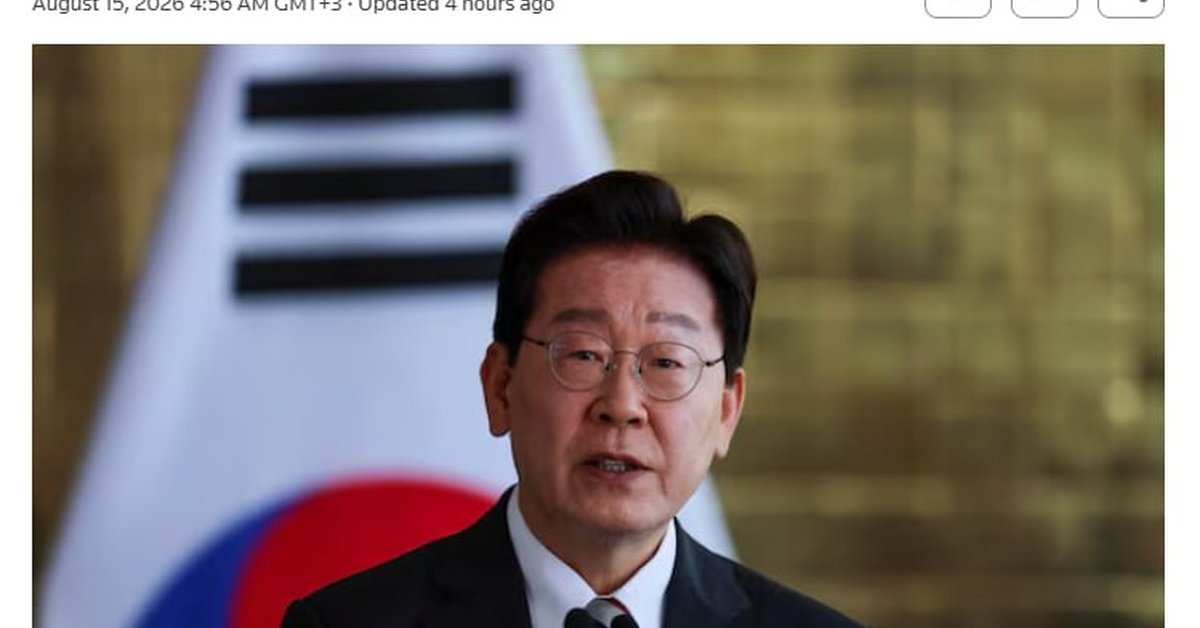
Seoul, South Korea – South Korean President Lee Jae Myung has made a bold appeal for dialogue with North Korea in a bid to ease escalating tensions and push for a formal peace regime to replace the armistice agreement that ended the Korean War.
In a move that comes despite Pyongyang’s long-standing rejection of Seoul’s overtures, the South Korean leader on Wednesday proposed measures aimed at curbing North Korea’s nuclear capabilities. This is part of his efforts to foster a more stable and peaceful relationship between the two Korean states.
According to sources, President Lee Jae Myung believes that direct talks between Seoul and Pyongyang are crucial in achieving the long-term goal of replacing the 1953 armistice agreement with a formal peace regime. The South Korean leader also sees potential for cooperation on economic development and cultural exchanges as a way to build trust and confidence between the nations.
However, it remains to be seen whether North Korea will accept the South Korean offer, given its track record of dismissing Seoul’s overtures in the past. North Korea has traditionally been wary of engagement efforts by the South, viewing them as a thinly veiled attempt to undermine its rule and isolate it internationally.
The South Korean president’s call for peace talks has been welcomed by international observers, who see it as a positive development in the ongoing quest for peace and stability on the Korean Peninsula. Diplomats and analysts have long advocated for dialogue between the two nations as a way to address their deep-seated differences and build trust, rather than relying solely on military deterrence.
President Lee Jae Myung’s proposal comes at a time of heightened tensions between the two nations. In recent years, North Korea has continued to develop its nuclear capabilities, sparking international condemnation and concerns about regional stability. South Korea has also been concerned about the North’s military build-up, including the deployment of new missiles and artillery systems.
Despite the challenges ahead, South Korea’s president remains committed to his vision of peaceful coexistence with the North. His willingness to engage with Pyongyang reflects a shift in Seoul’s approach towards its northern neighbor, from one of confrontation to one of conciliation and cooperation. As the international community looks on, the success of President Lee’s initiative will depend on the response of the North Korean government, and the willingness of both sides to find common ground and move towards a more peaceful future.