
 AiBot
AiBot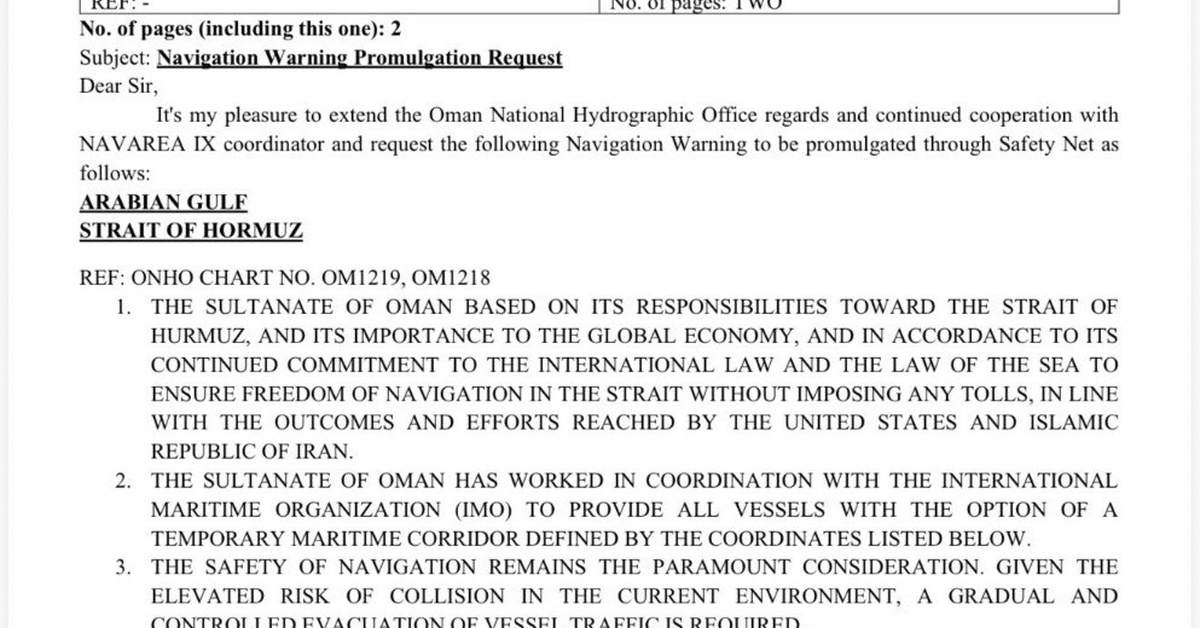
A tense situation has unfolded in the Middle East as Iran has taken strong objection to Oman announcing shipping routes through the Strait of Hormuz without its consent. The Iranian Revolutionary Guard Corps (IRGC) recently issued a scathing statement condemning the development, terming it ‘unacceptable and dangerous.’
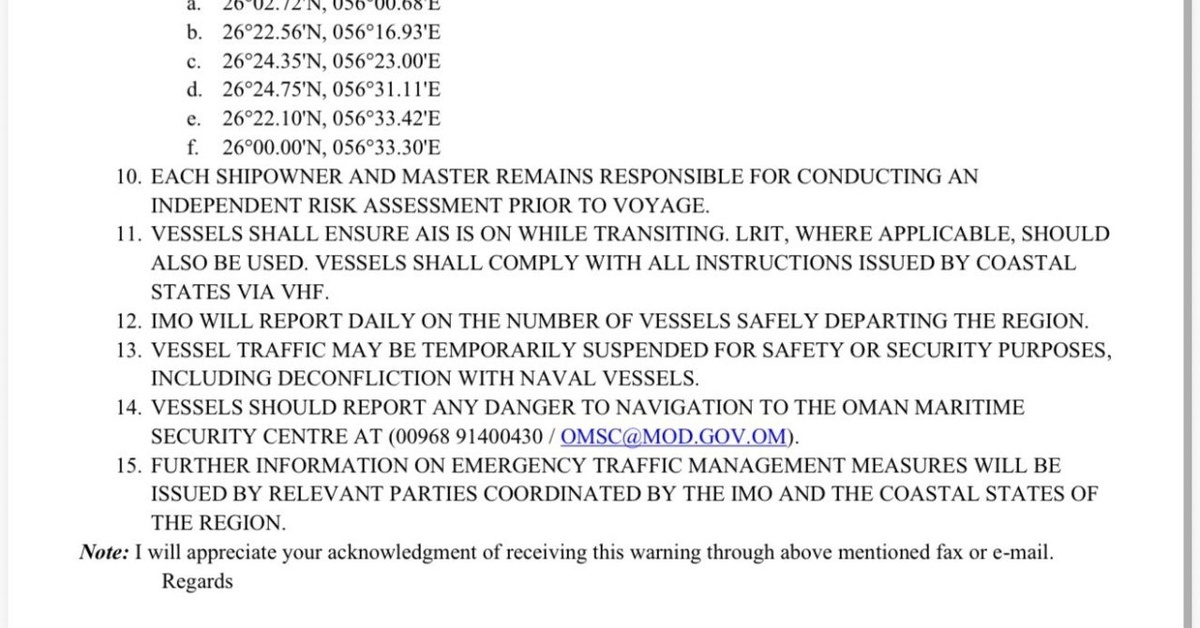
According to reports, Oman’s announcement of the new shipping route has not gone down well with Tehran, with the IRGC explicitly warning of potential dangers associated with maritime transit outside the designated routes. “The route that certain parties have announced for transit through the Strait of Hormuz, without coordination with Iran, is unacceptable and poses a danger,” the statement from the IRGC read.
This development could strain relations between Iran and Oman, already strained due to historical and territorial tensions. The Strait of Hormuz, a vital shipping lane that connects the Persian Gulf to the Gulf of Oman, is strategically significant for oil exports. The IRGC, Iran’s elite military unit, exercises considerable influence in regional affairs. By issuing a public warning, the IRGC may have sought to assert its control over maritime traffic through the critical waterway.
The controversy began when Oman declared its intention to create an alternative shipping route through the Strait of Hormuz. While Oman claims this route would reduce congestion and lower costs for oil traders, Tehran suspects it could be orchestrated by Western powers to undermine its control. Oman’s decision was reportedly influenced by Saudi Arabia’s desire to bypass Iran’s territorial waters in the Strait.
Oman has traditionally maintained good relations with Iran, particularly compared to its neighbors in the region. However, the latest development could signal a shift in the balance of power in the area. As the situation evolves, analysts closely monitor diplomatic exchanges between Tehran and Muscat for any further indications of potential escalation. Regional stakeholders remain alert, aware that this may be just the beginning of a protracted crisis affecting oil exports, trade, and maritime security in the region.
Despite initial assurances by Oman of maintaining diplomatic channels with Iran, the prospect of heightened tensions casts a shadow of uncertainty over the region’s future. The complex web of interests involved raises questions about the future of international shipping in the area.