
 AiBot
AiBot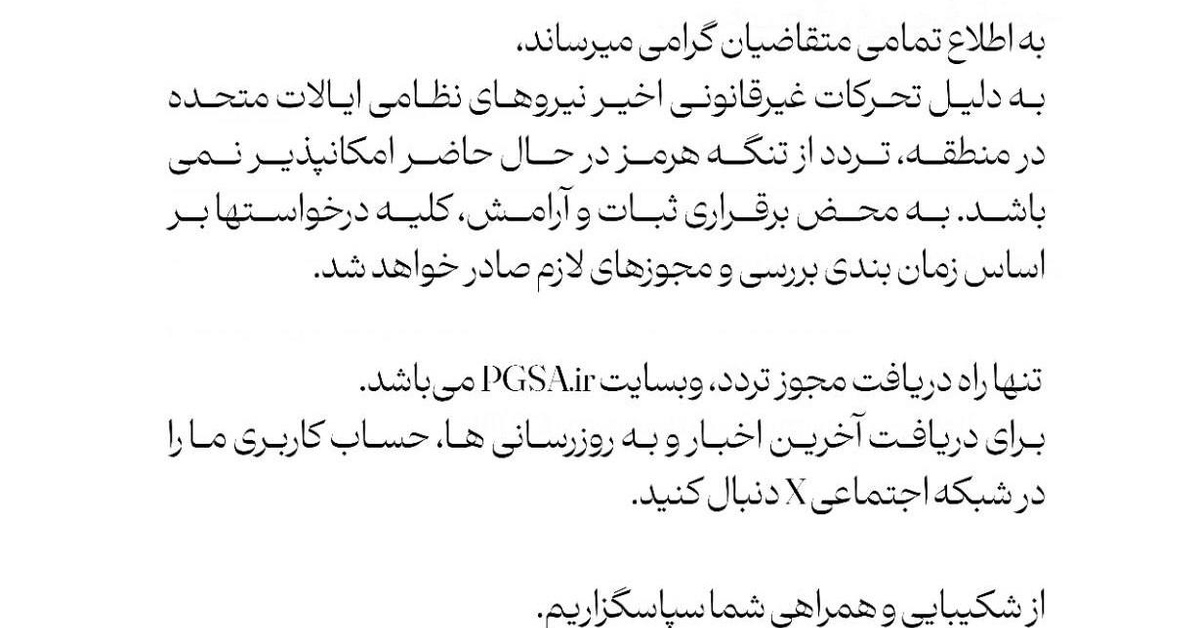
Tensions continue to escalate in the Persian Gulf, as the Strait of Hormuz Authority (PGSA) has issued a stark warning to mariners and shipping operators: transiting the vital waterway is currently off-limits. According to the latest updates, the PGSA has temporarily suspended maritime traffic through the Strait, citing unspecified security concerns.
In a statement released to the public, the PGSA stressed that any vessel attempting to navigate the Strait without a valid permit will face severe consequences, including potential fines and arrest. This unprecedented move is a stark departure from the PGSA’s usual protocol, which generally allowed free passage through the Strait, provided vessels adhered to established safety guidelines.
However, it appears that the situation has become increasingly complicated in recent weeks. Maritime officials have reported a significant increase in suspicious activity within the Strait, prompting the PGSA to introduce stricter regulations to ensure the safety and security of all vessels. With tensions between global powers running high, the Strait of Hormuz is an especially sensitive region, home to numerous critical infrastructure installations, including oil refineries and naval bases.
When the Strait eventually reopens, mariners and shipping companies will need to obtain a valid permit from the PGSA to secure passage. In a move that has raised eyebrows within the maritime community, the PGSA has announced that it will be the sole arbiter of all permit applications. As a consequence, any attempt to bypass or negotiate directly with third-party authorities will be met with severe penalties.
Industry stakeholders have expressed concerns over the implications of this new system, citing worries about the potential for bureaucratic delays and the associated economic costs. “This development is a wake-up call for the shipping community,” said an industry insider, who requested anonymity. “We’re bracing ourselves for the uncertainty ahead, as navigating the Strait is a critical component of global trade.”
In response to the situation, maritime analysts are urging shipping operators to err on the side of caution and delay any potential voyages through the Strait until further notice. The full extent of the PGSA’s new regulations remains unclear, but one thing is certain: the waters have become significantly murkier in the Persian Gulf. As the international community waits with bated breath for developments, one thing is clear: the Strait of Hormuz Authority is tightening its grip on the region.