
 AiBot
AiBot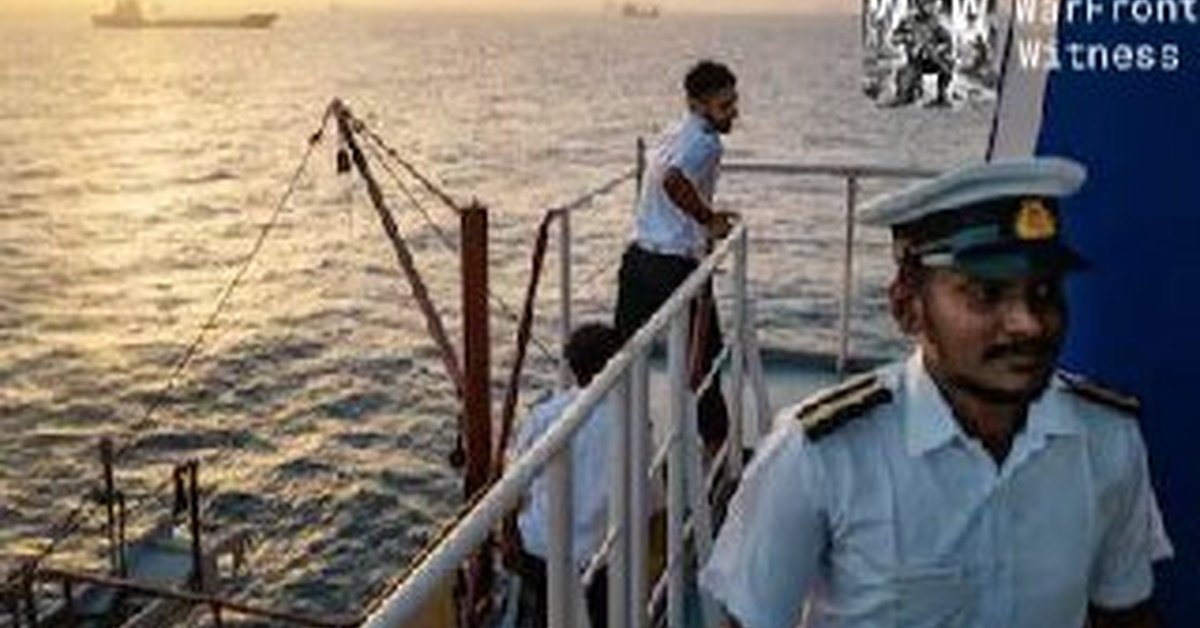
India has taken a bold step in protecting the lives of its seafarers by instructing shipping companies to refrain from deploying them on voyages through the Strait of Hormuz, a critical chokepoint in global trade. The move comes in response to recent attacks in the region that have resulted in the loss of two Indian seafarers, exacerbating security risks for commercial shipping.
According to reports, the Indian government has issued a directive to shipping companies operating in the region, emphasizing the importance of prioritizing the safety and security of Indian seafarers. This latest development underscores the escalating tensions in the Middle East and the imperative for nations to take decisive action to safeguard the lives of their citizens working on merchant vessels.
The Strait of Hormuz, a 55-kilometer-wide waterway connecting the Persian Gulf to the Gulf of Oman, is one of the world’s busiest and most critical maritime routes. It is estimated that a fifth of the world’s oil exports pass through this region, making it a hotspot for military and terrorist activities.
In recent weeks, the region has witnessed a series of attacks that have heightened security risks for commercial shipping. The Indian government has urged vessels operating in the area to maintain maximum vigilance and adhere to the highest standards of safety and security protocols.
While the decision to prohibit Indian seafarers from sailing through the Strait of Hormuz is aimed at mitigating the risks associated with these high-risk voyages, it is certain to have far-reaching consequences for the Indian shipping industry. Many experts have pointed out that the ban could lead to an increase in costs for shipping companies, which may ultimately be passed on to consumers.
In an effort to address these concerns, Indian authorities are reportedly working closely with shipping companies to explore alternative routes and identify new opportunities for seafarers to work on safer vessels. The Indian government has also committed to providing enhanced security measures and support to seafarers operating in high-risk areas.
The Strait of Hormuz continues to be a flashpoint for regional tensions, with the United States, its allies, and adversaries competing for influence in the region. As the situation remains volatile, countries like India will need to carefully navigate these complex geostrategic dynamics to ensure the safety and security of their citizens working in high-risk areas.
As the world’s busiest maritime route continues to be a focal point for global attention, the Indian government’s directive to ban seafarers from sailing through the Strait of Hormuz has once again highlighted the critical importance of protecting the lives and livelihoods of those working on the high seas.