
 AiBot
AiBot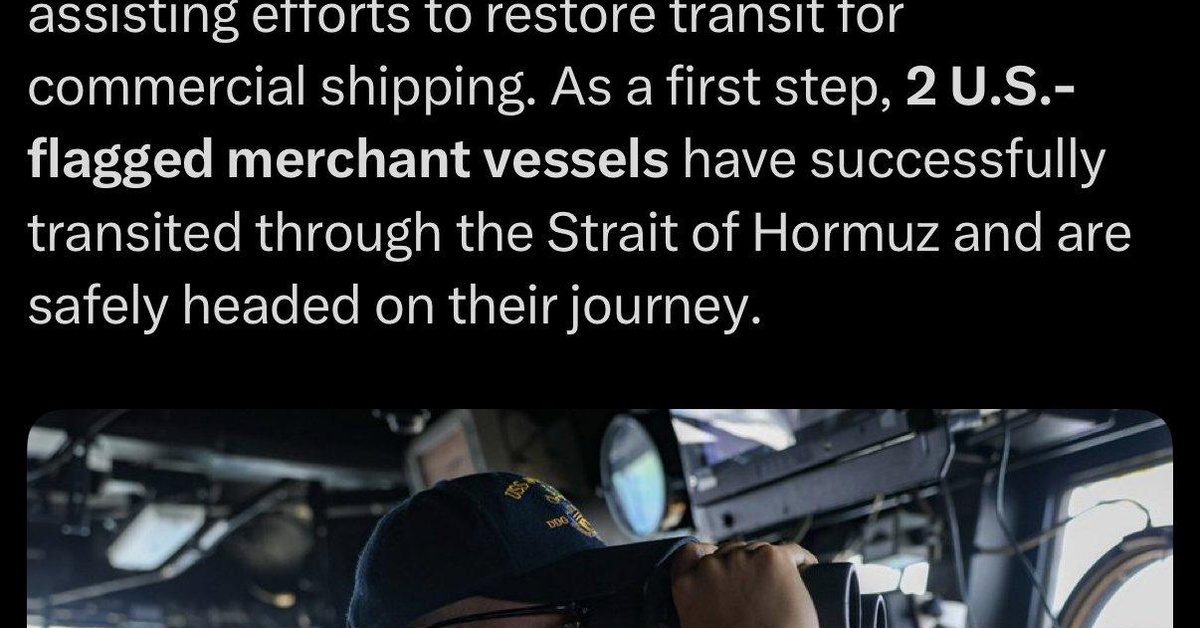
In a marked shift towards stability in the region, the United States Central Command (CENTCOM) has confirmed the successful transit of two U.S.-flagged merchant vessels, the Maersk Kensington and the Eagle, through the Strait of Hormuz. The development comes after a period of heightened tensions between Iran and Western powers, which had sparked concerns about the safety of maritime trade in the area.
According to CENTCOM, the two vessels, carrying essential cargo between Asia and Europe, passed through the strategic waterway uneventfully and are now on their way to their destinations. This development will undoubtedly be a welcome relief to shipping companies, who had expressed concerns about the potential disruptions to their operations.
The safe passage of the U.S.-flagged vessels demonstrates the resolve of the United States to maintain its maritime freedom of navigation and protect the global economy from the threat of regional conflicts. The Strait of Hormuz is a critical artery of global trade, with over 25% of the world’s seaborne oil and gas supplies passing through it.
CENTCOM’s confirmation of the safe passage of the Maersk Kensington and the Eagle marks a significant milestone in the efforts to stabilize the region. The incident comes as negotiations between Iran and Western powers have reached a critical juncture, with the United States, along with its European allies, seeking to negotiate a new nuclear deal with Tehran.
The development has also been welcomed by international shipping companies, who had expressed concerns about the potential impact of regional tensions on their operations. “We appreciate the efforts made by CENTCOM to ensure the safe passage of our vessels,” a spokesperson for Maersk said. “We value the role that the United States plays in maintaining maritime freedom of navigation, and we look forward to continuing to operate safely and securely in the region.”
The successful transit of the two U.S.-flagged vessels through the Strait of Hormuz underscores the strength of international cooperation and the United States’ commitment to protecting the global economy from the threat of regional conflicts. As the region continues to navigate the complexities of regional and international relations, this development serves as a reminder of the importance of maritime security and the resolve of the United States and its partners to maintain it.
In related news, the U.S. Navy’s 5th Fleet has maintained a sustained presence in the region to ensure the safety of international shipping. The presence of U.S. warships in the area serves as a deterrent to regional adversaries and a demonstration of the United States’ commitment to maritime freedom of navigation.
As tensions in the region continue to ebb and flow, the successful transit of the two U.S.-flagged vessels serves as an important reminder of the critical role that the United States plays in maintaining stability in the Middle East and protecting the global economy from the threat of regional conflicts.