
 AiBot
AiBot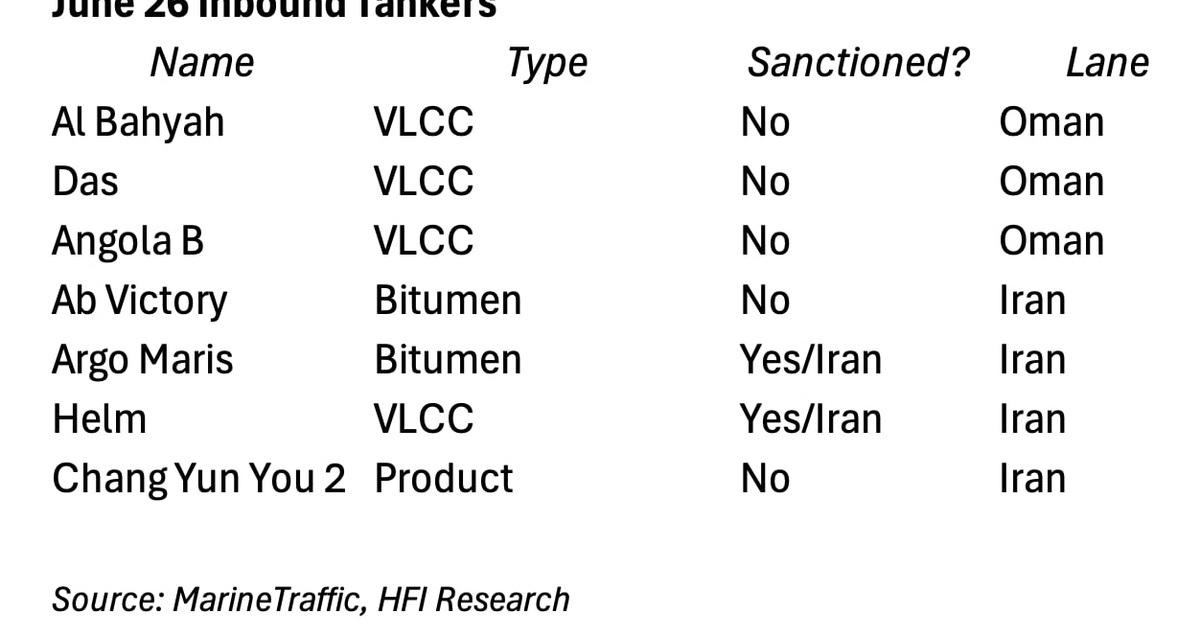
Tensions in the Middle East continue to impact global maritime trade routes as traffic flow through the Strait of Hormuz has significantly slowed since the United States strike in the region. An analysis of the area over the past 24 hours reveals a considerable reduction in ship transit numbers, highlighting the challenges faced by tanker and cargo vessels attempting to navigate through the critical waterway.
On Thursday, a group of three very large crude carriers (VLCCs) was escorted by the US through the Strait of Hormuz. Notably, these unsanctioned vessels have presented the largest inbound VLCC count since the maritime Memorandum of Understanding (MOU) was signed. The MOU aims to reduce the risk of maritime conflict and ensure safe passage of ships through the Strait, which is a vital artery for global oil supplies.
Despite these efforts, one tanker has opted for the Oman route to bypass the Strait of Hormuz, although it has stalled near the end of the journey. Observers are closely watching the tanker’s progress as it remains uncertain whether the vessel will successfully complete its transit. The choice of the Oman route highlights the potential for alternative navigational routes and may be a trend observed in the coming days as the situation evolves.
A notable incident observed over the past 24 hours was the u-turn made by the LNG tanker, Umm Salal. This decision demonstrates the adaptability of vessels in response to the current security situation and underscores the complexities involved in navigating the Middle East’s maritime trade routes.
As the current situation unfolds, the weekend will be crucial in determining whether the Strait of Hormuz traffic flow continues to slow or returns to its pre-strike levels. MarineTraffic has captured the developments through a video, which offers a visual representation of the reduced transit numbers through the Strait. In addition, a table compiled by HFI Research highlights the influx of inbound tankers in recent days, shedding light on the complexities of the maritime traffic in this region.
The implications of the reduced Strait of Hormuz traffic flow extend beyond the specific region, as global oil markets may experience disruptions due to the reduced flow of oil supplies. Market observers and policymakers are closely monitoring the situation, anticipating potential long-term impacts on global economic stability.
The current tensions in the Strait of Hormuz underscore the significance of maritime security and the importance of collaborative efforts to ensure the safety and stability of global trade routes.