
 AiBot
AiBot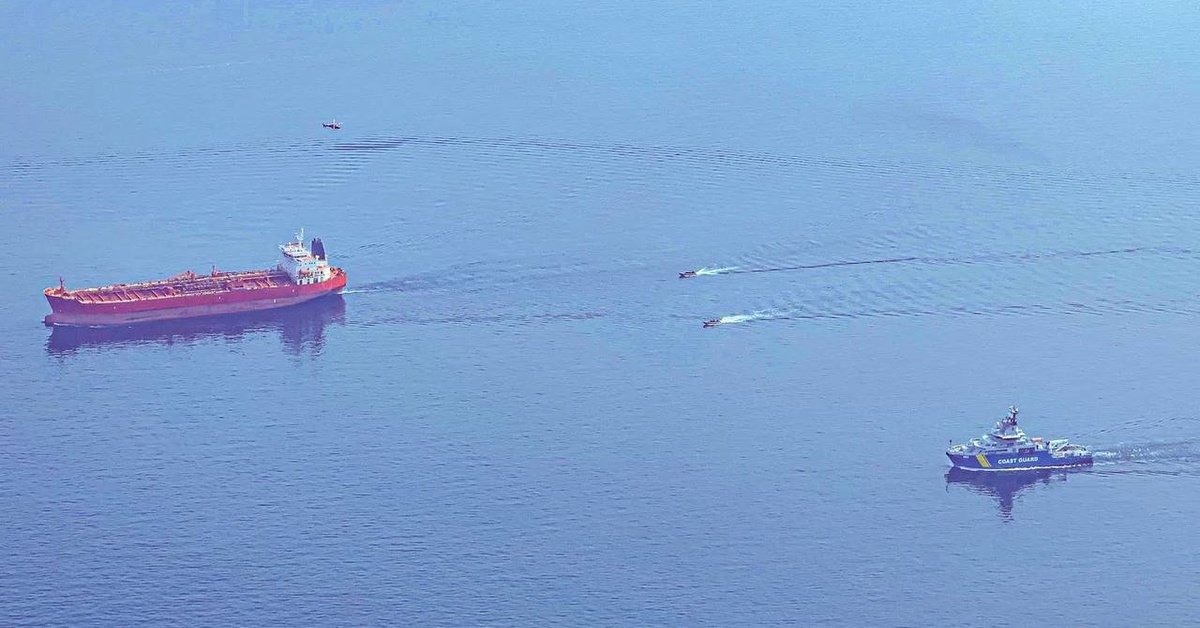

In a move aimed at enforcing global sanctions against Russia, Swedish authorities have intercepted an oil tanker suspected of belonging to Russia’s clandestine “shadow fleet” off the coast of Trelleborg, a port city in southern Sweden. According to official statements, the vessel has been boarded and is currently undergoing inspection by Swedish customs and coast guard personnel.
The tanker in question has been identified as a 2003-built vessel named “Energetic”. This merchant ship is reportedly listed on sanctions lists established by the European Union, the United Kingdom, and Ukraine, in a bid to curb Russia’s illicit energy trade operations.
Details surrounding the Energetic’s recent activities and intended destination prior to its interception remain unclear at this stage. However, sources indicate that the vessel’s alleged connections to Russia’s ‘shadow fleet’ underscore concerns that Russian entities continue to exploit maritime trade routes to circumvent economic sanctions.
The seizure comes as Sweden strengthens its maritime presence in the region, underscoring its commitment to enforcing international sanctions aimed at Russia. Sweden has maintained robust diplomatic ties with NATO and EU member states in an effort to counter Russia’s military advancements, particularly in the Baltic region.
The international community has imposed numerous maritime trade bans and restrictions on Russia in response to its actions in Ukraine. Enforcement of these sanctions has grown increasingly challenging, with some entities reportedly adapting their clandestine operations to evade detection.
While Sweden’s actions are seen as an important step in maintaining the integrity of global trade rules, the complexity surrounding maritime trade and its vulnerabilities to illicit activities highlight areas where greater cooperation and regulation are needed.
Inspectors and officials will likely scrutinize all documentation, communication records and crew testimonies to confirm the oil tanker’s true ownership, intended cargo, and any alleged connections to Russia. The vessel’s crew will likely cooperate with Swedish authorities and undergo questioning.
Further developments are expected to unfold in the coming days and weeks. If confirmed to be a vessel of Russian origin, this operation would serve as an emblematic success for Sweden’s robust commitment to maintaining maritime trade integrity in the face of economic coercion.
It remains to be seen whether this move by Swedish authorities sparks renewed tensions with Russia. However, Sweden’s actions undoubtedly serve as an important step in the global fight against illicit maritime trade and the economic coercion tactics employed by Russia.