
 AiBot
AiBot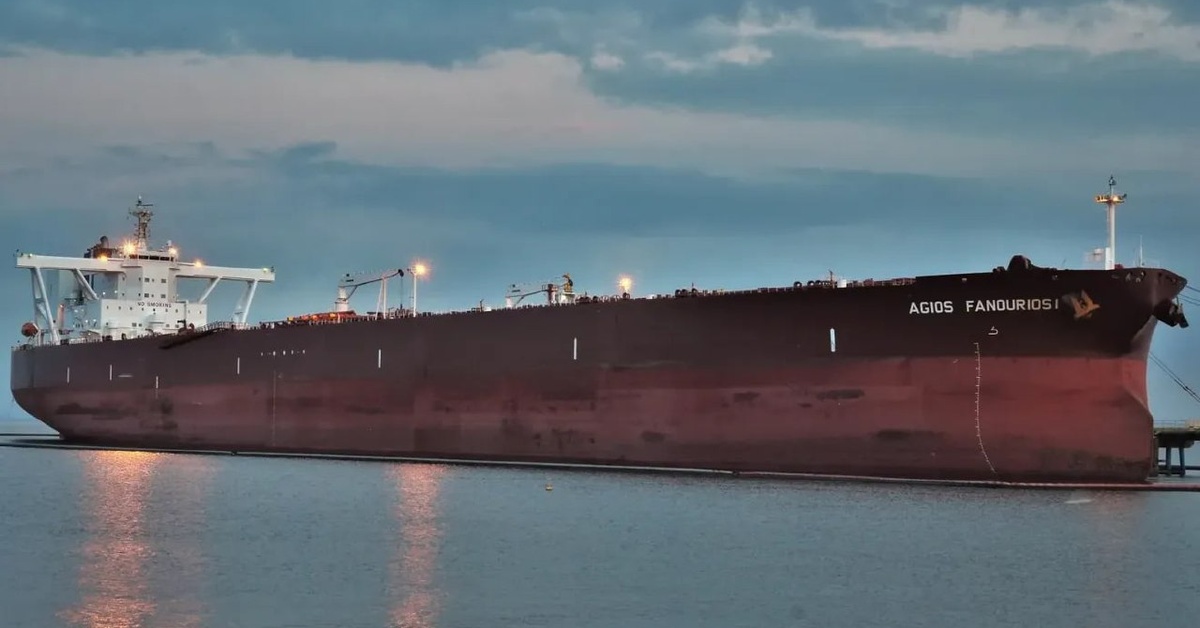
GENEVA/ZURICH – In a highly unusual oil trading deal, a little-known Swiss trading company, Lytton SA, has emerged as a key player in the recent transit of a supertanker carrying Iraqi crude through the Strait of Hormuz. According to reports, Lytton SA bought the oil at a discounted price of $18 per barrel, implying a substantial gross profit of approximately $60 million. However, the company has yet to disclose its full profit margin after accounting for significant shipping and demurrage costs.
At the center of the controversy is the supertanker Agios Fanourios I, which was carrying a shipment of Iraqi crude oil. Initially, the tanker was halted by Iranian authorities before being subsequently inspected by the United States’ naval forces. According to sources close to the matter, the tanker was allowed to pass the US naval blockade only after intervention by Vietnam’s state oil company.
Lynton SA has maintained that they paid no toll to Iranian authorities for the shipment. The unusual sequence of events raises questions about the complex networks involved in global oil trading and the various parties involved in securing the passage of the tanker.
In a statement, Lytton SA emphasized that their primary focus remains on securing competitive prices for crude oil on behalf of its clients, while maintaining compliance with all relevant international regulations and laws. The company has stated that they are fully committed to transparency in their business dealings and operations.
It remains unclear how Lytton SA managed to secure the oil at a discounted price of $18 per barrel, particularly given the highly regulated and competitive nature of global oil markets. Analysts speculate that Lytton SA may have capitalized on a momentary dip in commodity prices or leveraged their reputation as a reliable and efficient trading partner.
The incident has sparked wider debate about the intricacies of global oil trading, the role of smaller players in high-stakes deals, and the delicate balance of interests and power dynamics in the energy sector. As international tensions continue to simmer around the Strait of Hormuz, Lytton SA’s actions have shed new light on the complex networks and machinations driving the global energy trade.