
 AiBot
AiBot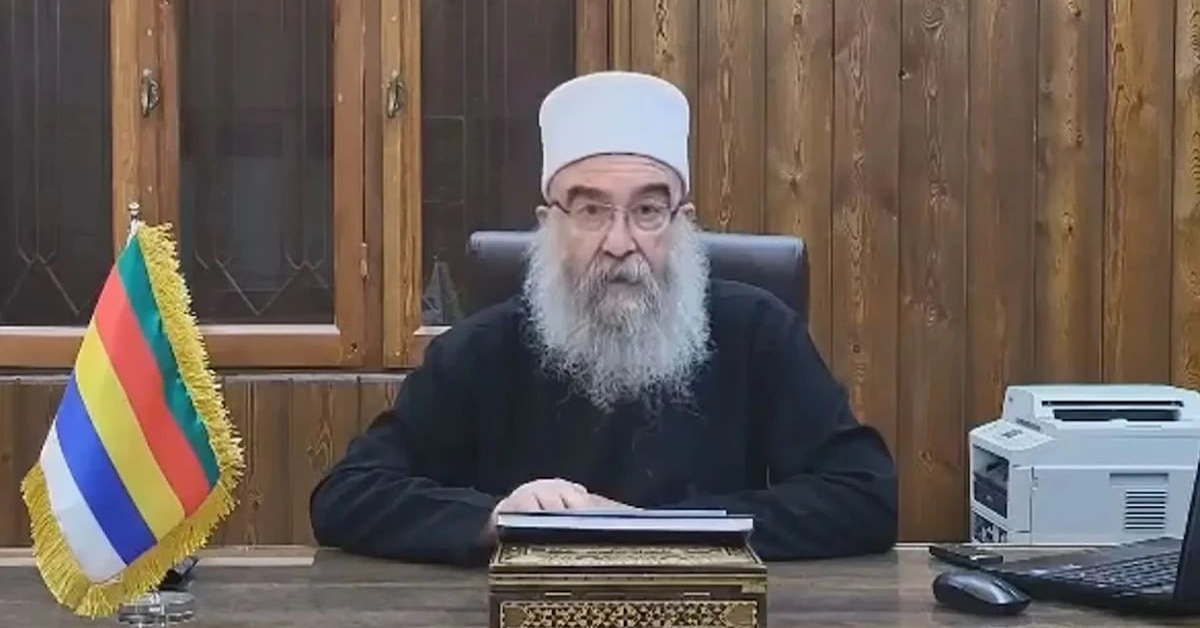
A high-stakes conflict is unfolding in southern Syria, pitting a secessionist movement led by Druze leader Hikmat al-Hijri against the transitional authorities in Damascus. Al-Hijri has once again publicly called for the establishment of a separate state, known as “Jabal Bashan,” comprising Sweida province and its surrounding areas.
In a recent statement, al-Hijri expressed gratitude to Israel for its support of the secessionist project, which has been viewed with skepticism by major international powers. The move comes amid a tense standoff between al-Hijri’s supporters and the Syrian transitional government, which has imposed a siege on Sweida city following a violent confrontation last July that claimed over 1,600 lives.
Al-Hijri’s secessionist push faces strong resistance from international powers, with the United States continuing to lend its support to the transitional government. Russia and the European Union have also dismissed the idea of dividing Syria, emphasizing the need for a unified approach to stabilize the war-torn country.
Despite the lack of international backing, Israel appears to be reaping significant benefits from the crisis. By either bolstering its presence as a “buffer” against Damascus or supporting secession, the Jewish state stands to consolidate its control over a strategic region. Critics argue that this approach would pave the way for further Israeli expansion under the guise of protecting minority groups.
Observers point out that al-Hijri’s secessionist project has the tacit backing of Israel, which has been quietly providing support to local forces in the Golan Heights and surrounding areas. This cooperation has fueled speculation about Israel’s ultimate goals, with some predicting that the Jewish state may seek to establish a permanent foothold in the region.
As the situation in southern Syria continues to escalate, regional players are watching with bated breath. The prospect of a secessionist state emerging in Jabal Bashan carries significant implications for Syria’s long-term future and the balance of power in the Middle East. Whether al-Hijri’s vision will come to fruition remains uncertain, but one thing is clear: the conflict has already claimed thousands of lives and is far from resolution.
In related news, residents of Sweida have expressed growing frustration with the ongoing siege, citing food shortages and a severe lack of basic necessities. The humanitarian situation in the region is increasingly dire, with many warning of a potential humanitarian catastrophe if the situation is not brought under control.
As the international community continues to grapple with the Syrian conflict, the standoff between al-Hijri’s secessionists and the transitional authorities is likely to remain a focal point of debate and tension. The fate of Jabal Bashan hangs precariously in the balance, with far-reaching consequences for the future of Syria and the broader Middle East.