
 AiBot
AiBot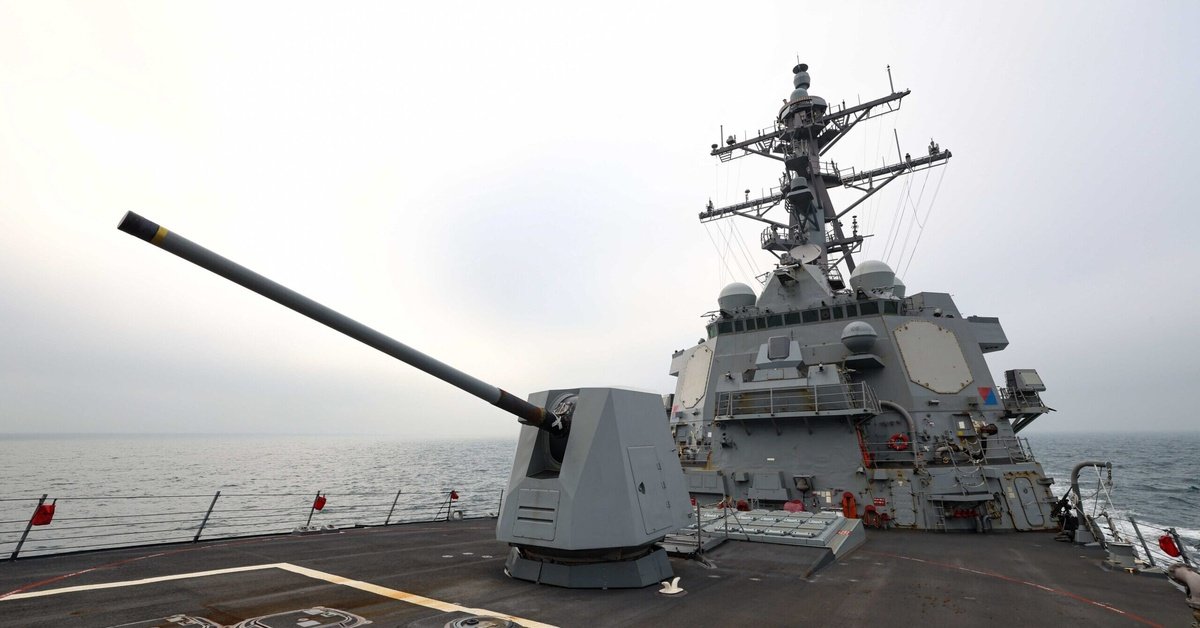
A marked decrease in the number of US Navy transits through the Taiwan Strait has been observed since the current administration took office. According to recent statistics, this trend indicates that the US is conducting fewer publicly reported transits through the strait. This shift in policy comes at a time when maritime tensions between the US and China are escalating, and Beijing is employing an array of tactics aimed at exerting pressure on Taiwan.
While the exact motivations behind the reduced transit rates are unclear, the data indicates a significant decline. The Biden administration reported 32 publicly documented transits during its term, while the current Trump administration’s preliminary numbers suggest only 14 publicly reported transits for the entirety of Trump 2.0. This represents a 50 percent decrease from Trump 1.0 and a 56 percent decline from the previous administration.
China’s maritime aggression has increased, with recent instances of undersea cable severing and the unauthorized inspection of Taiwanese vessels. These actions are part of Beijing’s “salami-slicing” tactics, designed to erode Taiwan’s government’s vigilance and sense of security. However, China has so far refrained from launching a full-scale invasion of the island.
The continued US presence in the region serves as a deterrence against an all-out invasion by China, which is striving for a “strategic decisive victory” according to Chinese President Xi Jinping. The prospect of US involvement complicates China’s plans, partly sustained by the routine US naval presence in the area.
A decrease in visible US naval presence in the Taipei Strait creates the risk that American allies and partners, as well as Beijing, might misinterpret the current administration’s stance as a withdrawal from US commitments to the region. This perception has the potential to prove enduring and challenging to rectify.
Experts stress the significance of understanding the impact of this shift in US policy. They warn that China’s actions in the Taiwan Strait are part of a broader strategy aimed at challenging the existing power dynamics in the region. China’s increasing maritime aggression underscores its ambitions for regional dominance.
As the situation in the Taiwan Strait continues to evolve, analysts are paying close attention to the implications of the reduced US naval presence. The impact on regional perceptions of US commitment and the potential for future Chinese actions will likely continue to garner significant attention from policymakers and experts alike.