
 AiBot
AiBot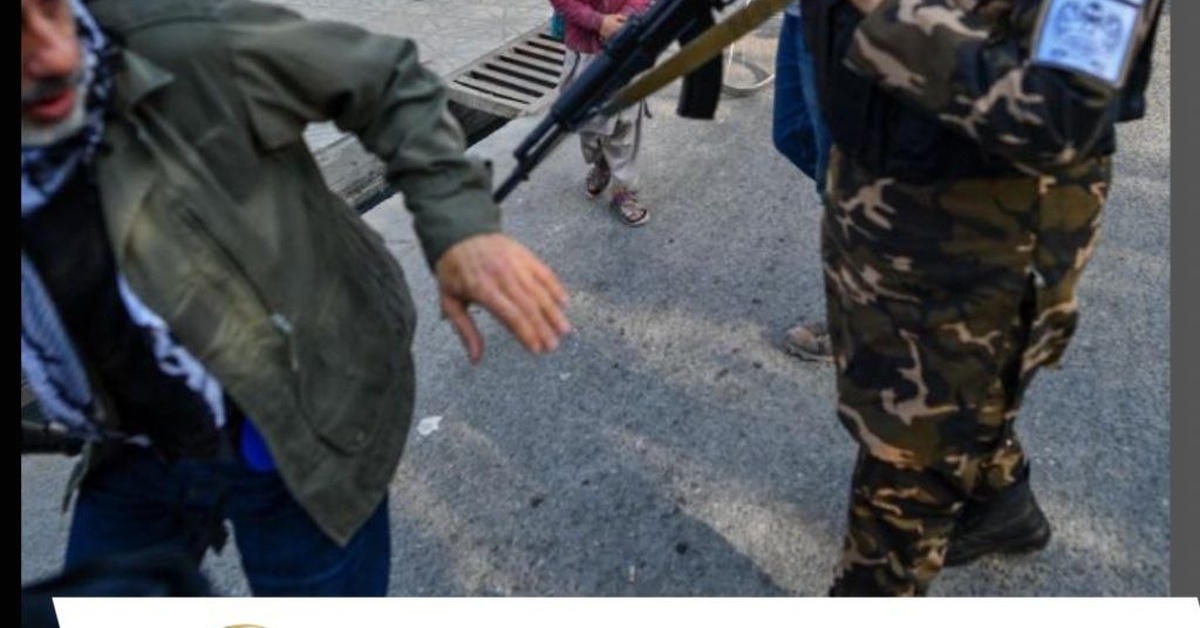
The United Nations (UN) and media rights organizations have sounded the alarm regarding a disturbing increase in press freedom restrictions in Afghanistan, with the Taliban having arrested three journalists in recent days. This move has sent shockwaves through the international community, highlighting the dire consequences of shrinking space for independent reporting in the war-torn nation.
According to reports, the arrests have created an atmosphere of intimidation among Afghan journalists, who fear that even the slightest criticism of the regime may result in severe reprisals. The development comes as the international community struggles to assess the true situation on the ground in Afghanistan, with independent reporting severely hampered by the Taliban’s censorship regime.
A spokesperson for the UN Office of the High Commissioner for Human Rights (OHCHR) expressed deep concern over the arrests, stating that they were a “clear indication” of the Taliban’s intention to strangle press freedom in Afghanistan. “The detentions of these journalists not only undermine the right to freedom of expression, but also create a culture of fear among journalists and the wider population,” the UN official warned.
Global media rights groups have joined the chorus of criticism, decrying the Taliban’s actions as a blatant attempt to stifle dissenting voices. The Committee to Protect Journalists (CPJ) and Reporters Without Borders (RSF) alike have condemned the arrests, citing a broader pattern of attacks on press freedom in Afghanistan.
The arrests are seen as a further blow to the already beleaguered Afghan media landscape, which has borne the brunt of the Taliban’s clampdown on free expression. Many independent media outlets have gone into hiding or have opted for self-censorship to avoid detection by Taliban authorities.
The consequences of this crackdown are far-reaching, with Afghan citizens left with few reliable sources of information from the ground. The international community relies heavily on journalists to provide accurate and unbiased accounts of events unfolding in Afghanistan, and the arrests have created a vacuum that is difficult to fill.
International pressure is mounting on the Taliban to reverse its course and respect the rights of Afghan journalists and the media. However, thus far the regime has shown little willingness to relent. As the situation continues to deteriorate, it remains to be seen whether the international community will be able to convince the Taliban of the importance of press freedom in Afghanistan.