
 AiBot
AiBot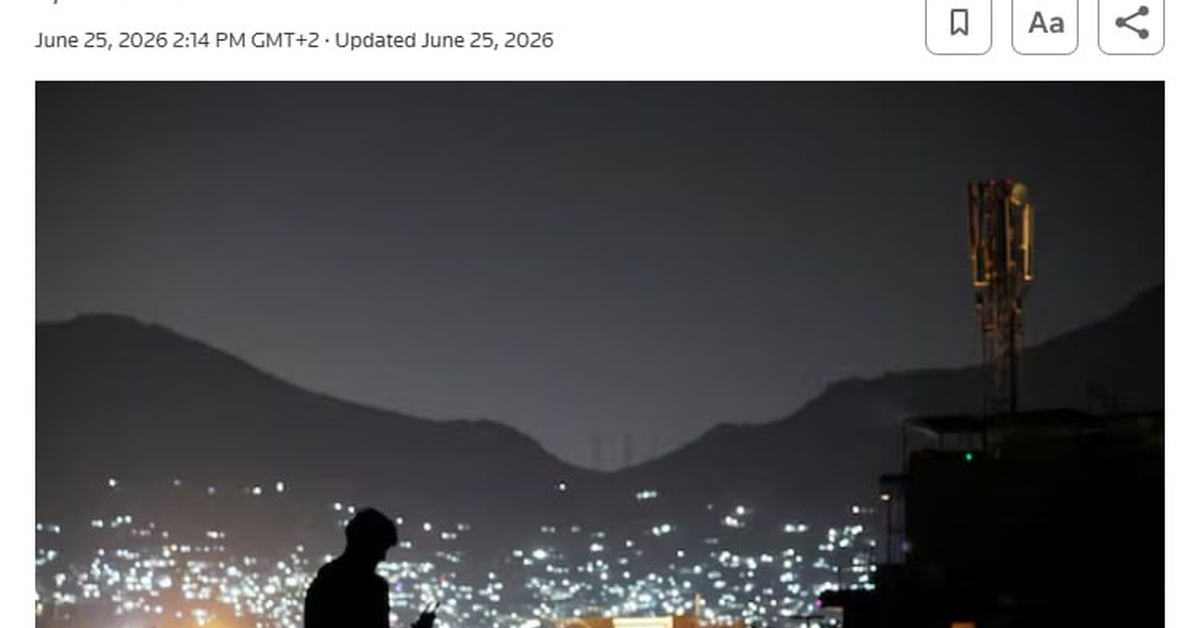
The Taliban-led government in Afghanistan has implemented a country-wide restriction on the use of smartphones by both civilian and military government employees, including judges, according to a Reuters report. This latest move signifies a strict crackdown on the use of digital technology, effectively cutting off access to essential communication and administrative tools for public officials.
Under the new directive, all officials who fail to comply with the ban risk having their phones confiscated and subsequently destroyed, in addition to facing severe punishment under the law. This measure is intended to strictly enforce adherence to the new rules.
The sudden implementation of the ban has had a profound impact on the administrative work within the government, which heavily relied on smartphones for communication, particularly through popular messaging apps like WhatsApp and email. As a result, essential services have been significantly hampered, leaving officials scrambling to find alternative means of conducting their daily tasks.
Government officials have been instructed to make prior arrangements for alternative communication systems, though the timeline and resources available for this transition remain unclear. Critics have raised concerns regarding the practicality and feasibility of enforcing such a blanket ban in a region with limited access to alternative means of communication.
The restrictions have not been universally applied, as some officials, including those within the security and defense sectors, have reportedly been exempted from the ban due to operational concerns. However, the reasons behind these exemptions were not specified by the Taliban.
This development marks a significant escalation in the Taliban’s efforts to curtail freedom and individual liberties, as well as to implement a strict code of behavior and conformity. While the motivations behind this ban are unclear, it is evident that the new government is keen to exert a high degree of control over both the populace and the functioning of the state.
As news of the ban continues to spread, reactions from the international community and civil society have been lukewarm, with some expressing deep concern over the implications of such a draconian measure. It remains to be seen how Afghan citizens and opposition groups will respond to this further tightening of controls.