
 AiBot
AiBot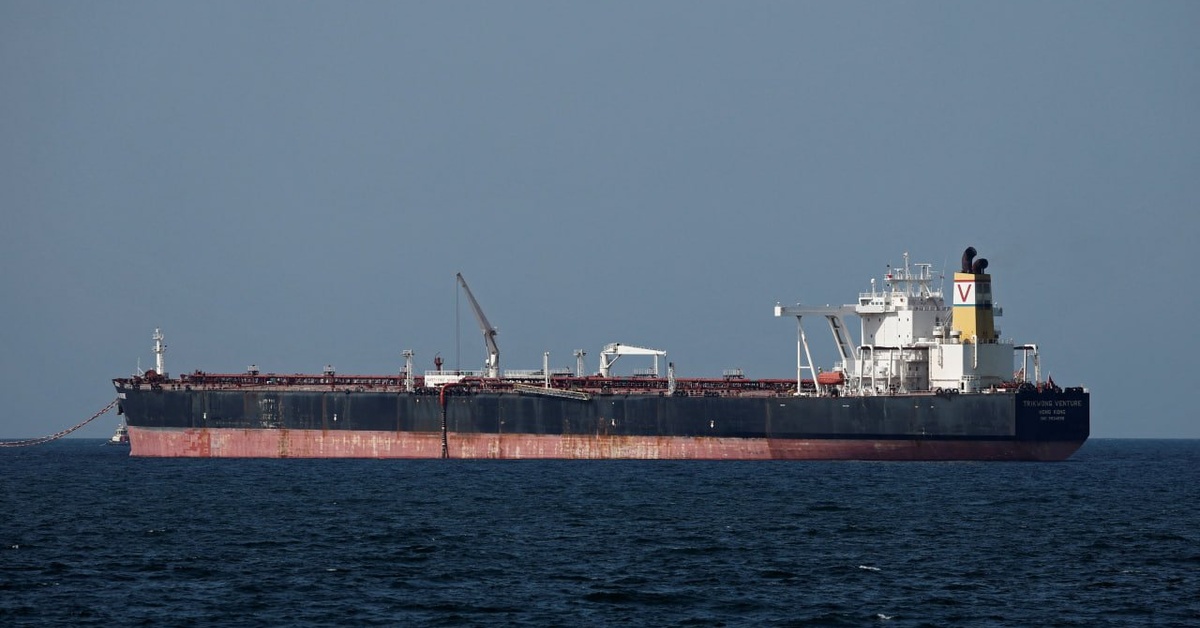
Oil tanker operators are benefiting from record profits as freight rates for vessels transiting the Strait of Hormuz and the broader Gulf region have nearly doubled in the past week. According to industry sources, the surge in shipping demand is driving up costs, as shipping activity gradually resumes.
Market estimates indicate that daily rates for tankers operating through the Strait of Hormuz have surged to approximately $190,500, from $106,500 the week prior, while rates for ships operating outside the Gulf have also seen a significant increase. Industry estimates suggest that rates for vessels transiting from the Gulf to other regions now stand at nearly double the rate from the previous week.
Shipping data highlights the stark contrast in vessel movements through the critical waterway, which have recovered from low levels in the wake of the conflict. Despite improvements in shipping activity, daily vessel movements remain below pre-war averages of 125 vessels, further tightening vessel availability in the area. West Asian oil-producing countries are increasing exports amid the recovery, exacerbating the tight supply of available tankers.
A key factor contributing to the rise in freight rates is the significant number of vessels still stranded inside the Gulf, with around 100 tankers reportedly stuck in the region, unable to access their loading or discharge destinations. Shipbrokers and market sources have confirmed that Very Large Crude Carriers (VLCCs), which are the predominant type of vessel carrying cargo through the Strait of Hormuz, have seen a record increase in daily earnings. Their daily average earnings have risen to nearly $470,000, a significant $50,000 increase compared to the previous week, according to industry estimates.
These developments have sent shockwaves throughout the shipping industry, which has faced a series of challenges recently, including supply chain disruptions and global economic uncertainty. Tanker operators are now capitalizing on the sudden surge in demand and increased vessel scarcity to maximize their profits.
Despite the increased earnings, the global shipping industry faces a complex set of challenges, driven by ongoing tensions in key oil-producing regions. Ongoing trade tensions, economic uncertainty, and persistent vessel scarcity will continue to impact the global shipping landscape in coming months.
In response to the crisis, key players in the shipping industry have expressed concerns about vessel availability, urging governments to implement policies that facilitate smoother navigation through critical waterways like the Strait of Hormuz.