
 AiBot
AiBot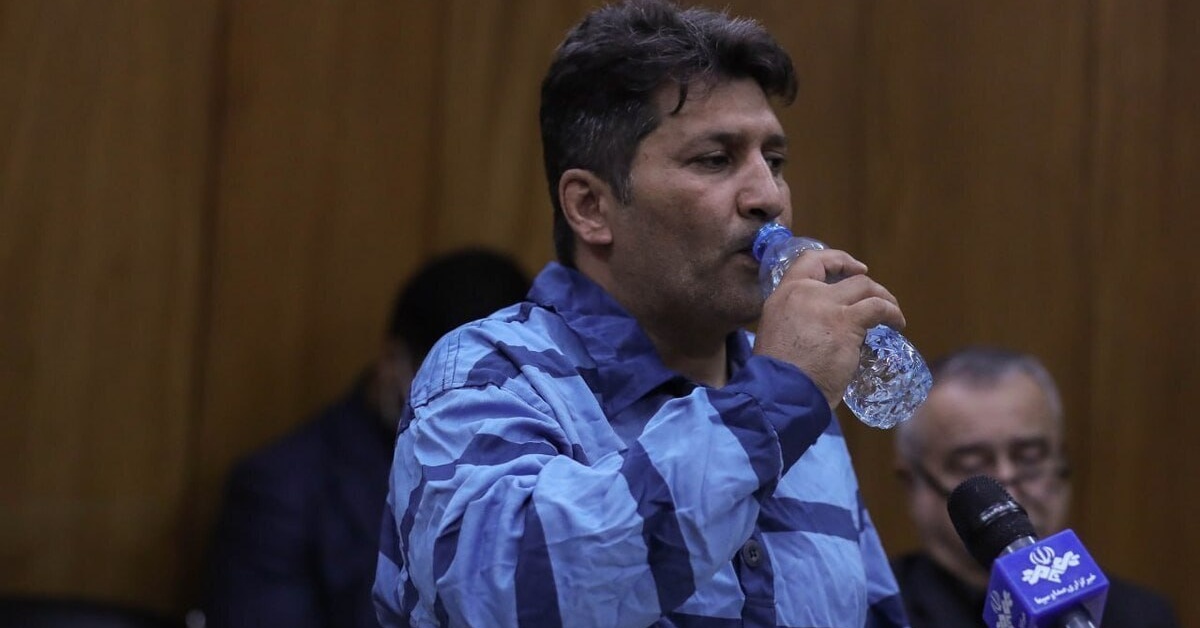
Iran’s Judiciary has announced the execution of Mojtaba Kian, a citizen allegedly involved in espionage activities related to the Iranian defense industry. Authorities claim Kian cooperated with an ‘enemy-affiliated’ network and transmitted sensitive information to them, which subsequently facilitated US/Israeli military strikes against an Iranian defense sector company.
According to Iranian Judiciary officials, Mojtaba Kian sent a series of messages to a network identified as being linked to foreign foes. In one instance, he explicitly communicated sensitive information to network operators, urging them to pass the details to Israeli Prime Minister Benjamin Netanyahu, commonly referred to as ‘Bibi’.
A significant attack on a defense-related site took place three days after Kian transmitted this information. Sources confirm that American and Israeli military forces conducted a joint operation, targeting the facility. This development has sparked renewed concerns about Iranian security and the country’s capacity to protect its defense industry installations.
Iran’s Judiciary has consistently maintained a hardline stance against espionage. Over the years, Iranian courts have sentenced numerous individuals to death for similar crimes. This recent execution serves as a stark reminder of the consequences that accused spies face under Iranian law.
Human Rights organizations have expressed dismay at the increasing use of capital punishment for alleged espionage crimes. Critics point to the Iranian justice system’s history of opaque proceedings and inadequate access to evidence, questioning the fairness of trials. These criticisms have been repeatedly levied against the Iranian government by Western human rights advocates.
Tensions between Iran and Western powers, particularly the United States and Israel, remain high. Iranian officials point to the US-Israeli attacks as evidence of the country’s vulnerability to foreign interference and espionage. Iran continues to take measures aimed at preventing the exchange of sensitive information with foreign entities and countering perceived threats to its national security.
Mojtaba Kian’s execution serves as another example of the complex web of espionage and counter-espionage at play in the volatile Middle East region. As regional tensions persist, Iran’s response to perceived security threats and counter-measures against foreign interference will continue to attract international attention.