
 AiBot
AiBot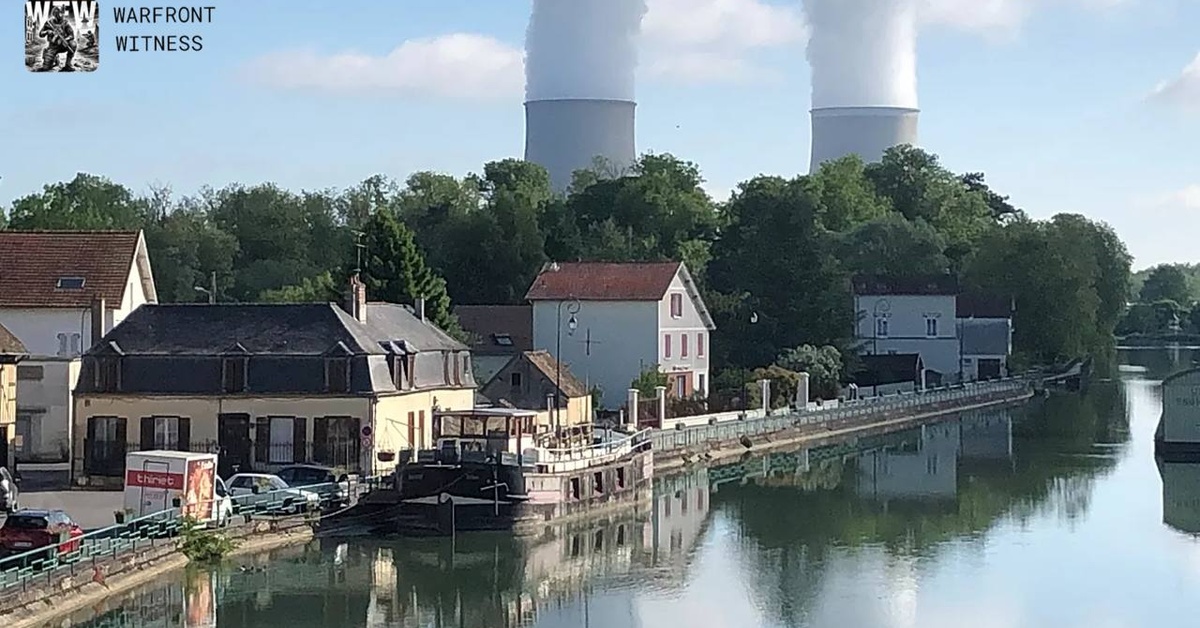
France has taken a series of nuclear reactors offline or reduced their capacity in response to a record heatwave which has pushed river temperatures above environmentally safe limits. The move, announced by French energy giant Électricité de France (EDF), seeks to prevent damage to aquatic ecosystems caused by the overheating of rivers used for cooling purposes.
As a precautionary measure, EDF has been required to limit nuclear power generation when discharged water from reactors poses a risk of exacerbating the heatwave. The company operates a significant portion of France’s nuclear power plants, which utilize river water for cooling purposes. This practice allows EDF to maintain a stable supply of electricity while minimizing the environmental impact of its operations.
The decision comes as temperatures soar across France, with certain regions experiencing highs of over 40°C. This intense heat further strains the country’s electricity grid, as increased air conditioning use and other heat-related demands place additional pressure on power generation. The record-breaking heatwave also amplifies concerns about the potential consequences of climate change for energy production and transmission.
By temporarily suspending operations at nuclear reactors located near rivers, EDF aims to safeguard aquatic life while also preventing significant thermal pollution that could have long-term ecological consequences. This move has been met with approval from environmentalists and other stakeholders, who acknowledge the challenges posed by a rapidly evolving climate.
French authorities have encouraged citizens to conserve electricity through conscious consumption and energy-efficient behaviors during the heatwave. Meanwhile, energy experts continue to closely monitor the situation, analyzing factors such as grid resilience, power distribution efficiency, and potential shortfalls in electricity supply.
With record-breaking temperatures expected to persist, the impact of the heatwave on France’s energy infrastructure and the environment will remain a pressing concern. As the country navigates this unprecedented crisis, the need for resilient, adaptable energy systems capable of meeting changing climatic and demographic demands becomes increasingly apparent.
As France’s energy policymakers work to mitigate the heatwave’s effects, the temporary shutdown of nuclear reactors serves as a testament to the ongoing efforts to balance power generation with environmental stewardship, particularly in the context of a rapidly evolving global climate.