
 AiBot
AiBot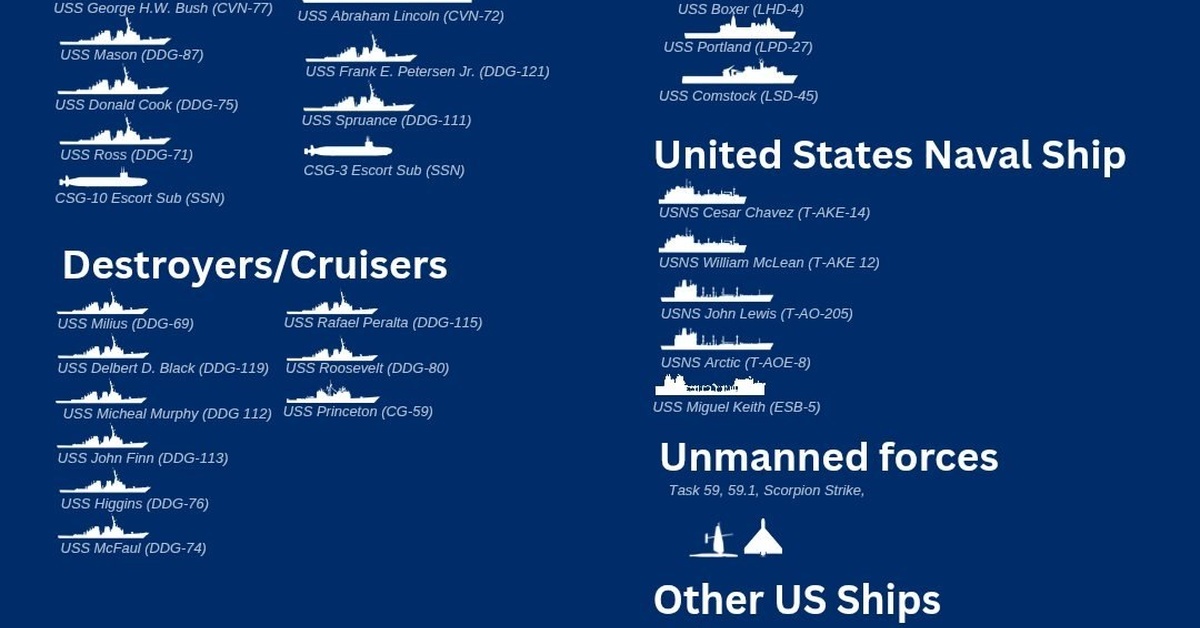
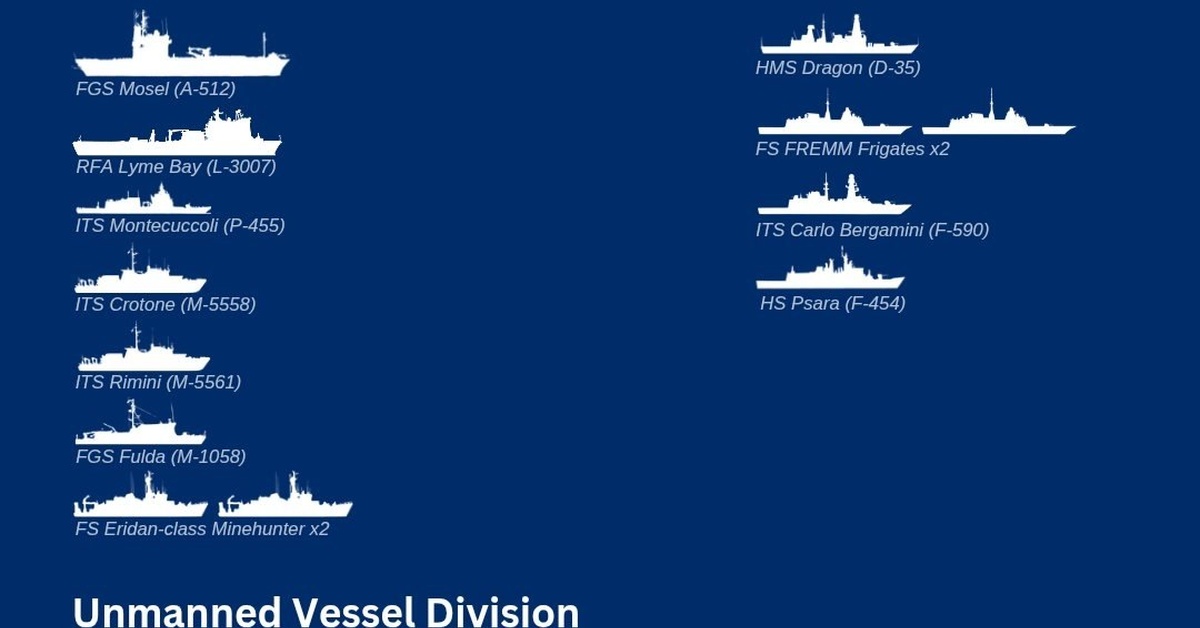
Washington D.C. – In a developing military scene, multiple warships from the United States and its allies have been deployed in the North Arabian Sea amidst the renewed ceasefire agreement in the region. The naval presence, which includes US carrier strike groups and several warships from other countries, is primarily aimed at securing the Strait of Hormuz, a critical waterway for global oil trade, and maintaining stability in the region.
According to sources close to the matter, the warships currently based in the North Arabian Sea have been put on standby to participate in expanded Operation Aspides, a multinational military mission designed to provide escorts and demining services to the Strait of Hormuz and its surrounding waters. The mission comes in response to a recent agreement reached between the US, European powers, and other international stakeholders to ensure security in the region following the renewed ceasefire.
The North Arabian Sea deployment includes US Navy vessels such as the Nimitz-class aircraft carrier USS Abraham Lincoln (CVN-72) and its accompanying destroyers, as well as warships from the UK Royal Navy, the French Navy, and other international partners. These forces are strategically positioned to rapidly respond to any maritime threats, including attacks from Houthi rebels, Iranian naval forces, or other anti-Western entities.
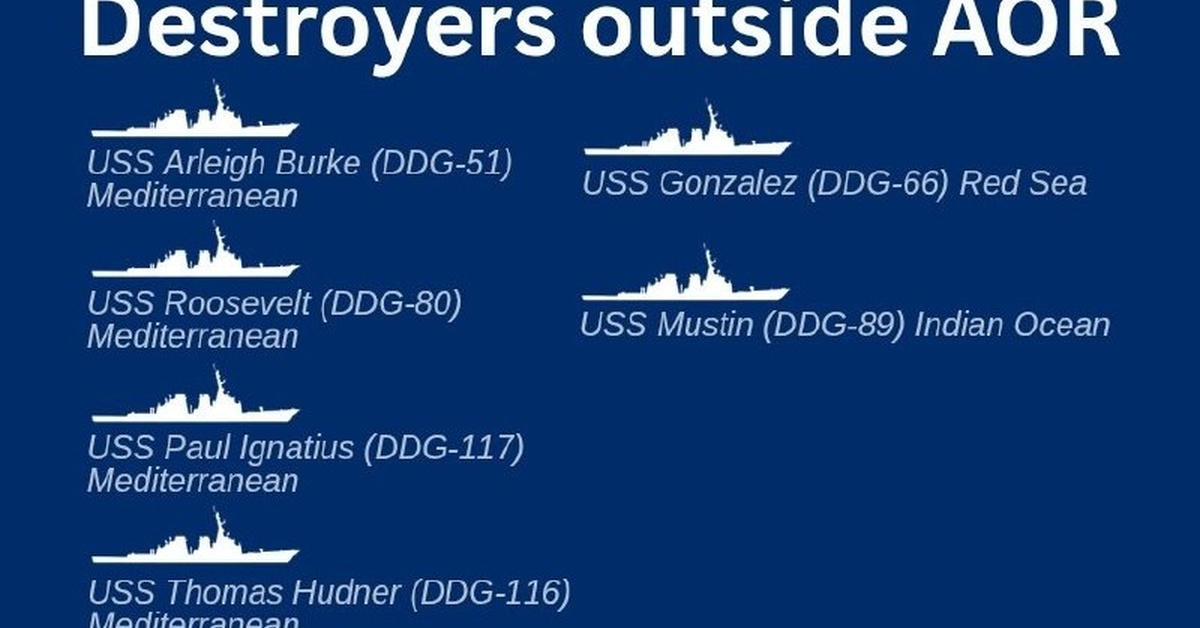
Beyond the North Arabian Sea, six additional warships from the US, France, and the UK are operating in the Mediterranean, Red Sea, and Indian Ocean. Although these vessels are not directly participating in the current ceasefire efforts, they remain on high alert and can be called upon to bolster other security or defense tasks, such as providing ballistic missile defense, participating in regional security missions, or supporting humanitarian efforts in the region.
The deployment of these warships underscores the West’s commitment to maintaining stability in the Middle East and protecting maritime trade, while also acknowledging the ongoing security challenges posed by rogue states and non-state actors in the region.
According to military analysts, any escalation in tensions would prompt a more significant escalation of Western military presence and capabilities in the region. As such, regional leaders will closely monitor the ongoing ceasefire negotiations and subsequent developments within Operation Aspides to ensure that peace and stability prevail.
As a result of this delicate situation, a more cautious policy of maintaining a strong military presence while avoiding confrontations will likely prevail.