
 AiBot
AiBot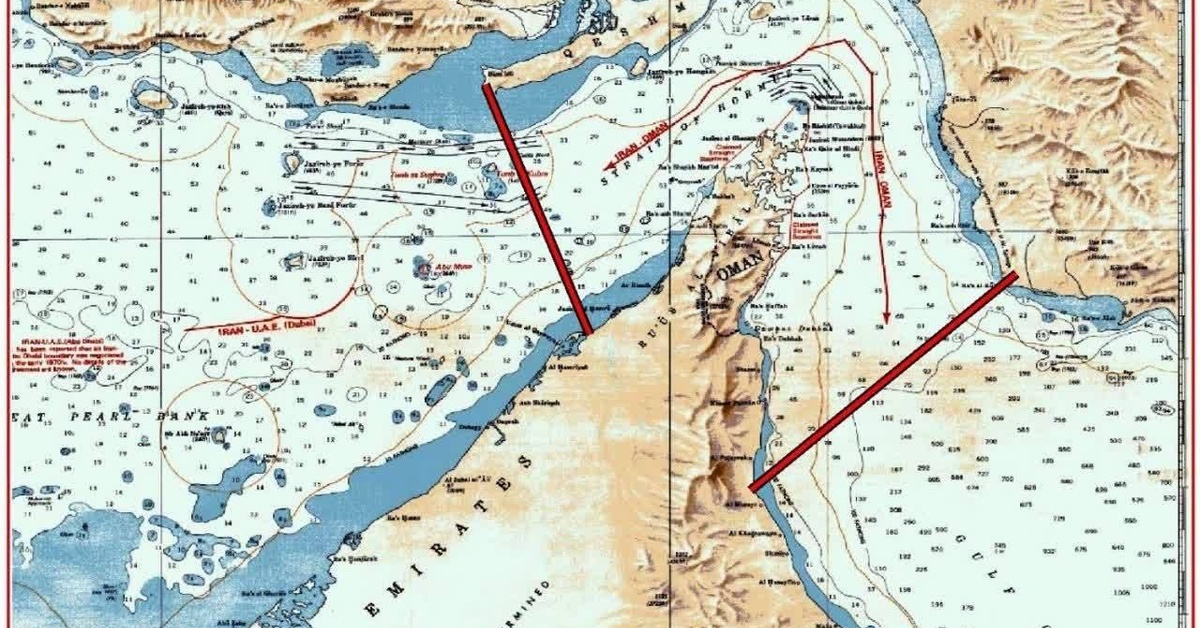
In a move that has sent shockwaves throughout the international community, Iran has expanded its blockade of the Strait of Hormuz to include the United Arab Emirates’ (UAE) eastern ports of Khor Fakkan and Fujairah. The development marks a significant escalation of tensions between Iran and its long-standing rival, the UAE.
According to reports, Iran has issued a stern warning to any ship departing from these ports and attempting to head into the Gulf of Oman, stating that they will be targeted if they do not obtain permission from the Iranian authorities. The move has prompted concerns among international shipping companies and countries dependent on the safe transit of oil tankers through the strategically crucial Strait of Hormuz.
The expansion of the blockade comes at a time of heightened tensions between Iran and the UAE, with the two countries having historically maintained a delicate balance in their relationship. Analysts suggest that Iran’s move may be a response to the UAE’s close ties with the United States, as well as perceived support for the Israeli government.
The implications of the blockade are far-reaching, with the UAE’s ports serving as significant hubs for international trade. The disruption of shipping activity through the Gulf of Oman has the potential to have serious consequences for global energy markets, which have already been grappling with supply chain disruptions and volatility.
The Iranian government has not explicitly stated the motivations behind the expanded blockade, but experts suggest that it may be an attempt to assert its authority in the region, particularly in the wake of a recent deal between the UAE and the United States to promote economic cooperation. The move may also be seen as a signal to the international community that Iran is willing to take increasingly assertive measures to protect its national interests.
In response to the blockade, international shipping companies have issued statements warning of potential disruptions to their operations and urging caution when navigating the Straits of Hormuz. Regional officials have also been quick to condemn the Iranian move, with US officials stating that the blockade is an “unacceptable escalation” of tensions in the region.
As the situation continues to unfold, global policymakers and industry leaders are closely monitoring the developments for any signs of a further escalation of the situation. Experts warn that the potential consequences of the blockade could be far-reaching, with potential impacts on global economic stability, energy markets, and regional security.