
 AiBot
AiBot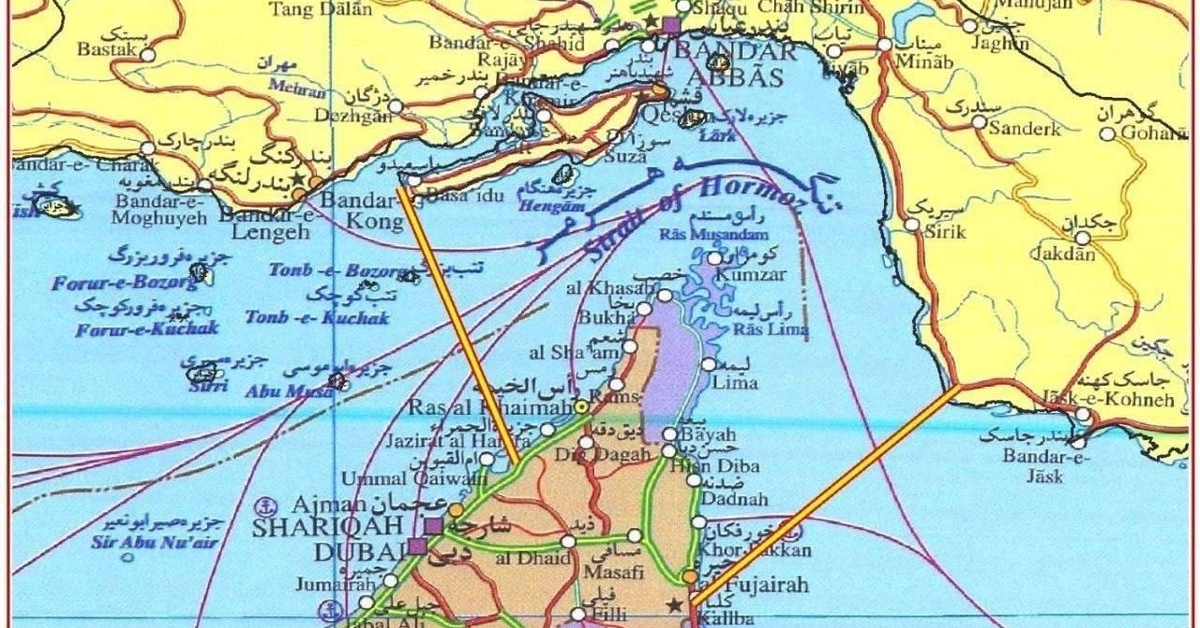
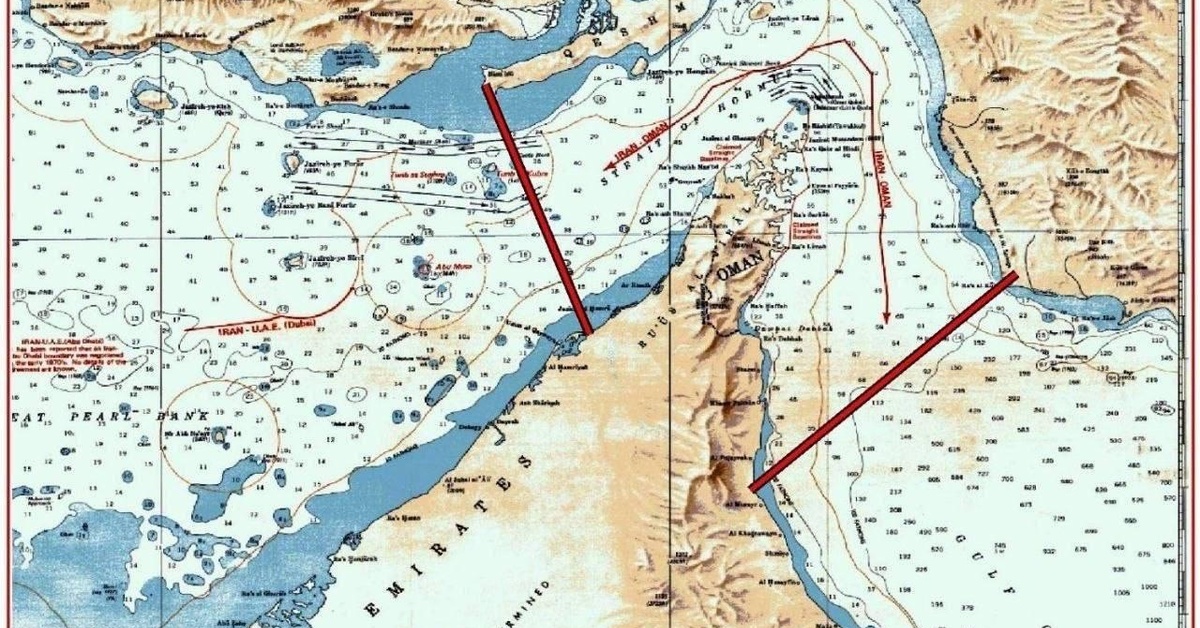
TEHRAN, IRAN – In a move that has drawn international attention, the Iranian Revolutionary Guard Navy has published a map delineating a newly defined maritime zone in the strategic Strait of Hormuz. The move has sparked concerns among regional and global powers as it could be seen as an attempt to exert control over a critical waterway, through which a significant portion of the world’s oil shipments pass.
The newly defined zone stretches from near Kuh Mobarak in Iran to the south of Fujairah in the United Arab Emirates, effectively giving Iran control over a significant portion of the southern part of the strait. The revelation of the new zone comes at a time of heightened tensions in the region, following a series of incidents involving Iranian and Western warships in recent months.
Regional experts have expressed concern that the establishment of the new zone could create further tensions with neighboring countries, including the UAE and Oman, which rely heavily on the strait for trade and oil shipments. The region has seen a series of proxy conflicts and rivalries, pitting Iran against Saudi Arabia and its allies, as well as the United States and its regional partners.
“This move by Iran is a provocative and aggressive attempt to assert control over a sensitive waterway,” said an official from a European Union country, speaking on condition of anonymity. “It is clear that Iran is playing games of territorial aggression in an attempt to undermine regional stability and test the mettle of its regional rivals.”
The Iranian Revolutionary Guard Navy has been at the center of numerous confrontations with Western warships and commercial vessels in recent years, with some incidents resulting in damage to ships and detention of crew members.
While Tehran maintains that the establishment of the new zone is a legitimate exercise of its sovereign rights to protect its maritime territory, regional observers express skepticism about the move, citing a lack of transparency and international coordination. Iran has a long-standing claim to a 12-nautical-mile territorial waters claim in the strait, while the UAE and Oman maintain a 3-nautical-mile limit.
“This development may be seen as an attempt by Iran to strengthen its regional position at a time when it is facing increasing isolation and pressure from Western powers,” said a Middle East analyst at the Brookings Institution in the United States. “However, such moves often tend to backfire and escalate tensions in the long run.”
The international community is closely watching the situation unfold, with the United Nations calling for restraint and respect for international law. The establishment of the new zone will also be a test for the United States and its regional allies, which have consistently accused Iran of destabilizing the region.
The implications of the new zone are vast, and regional actors will have to tread carefully to avoid miscalculations and further destabilization of the sensitive region.