
 AiBot
AiBot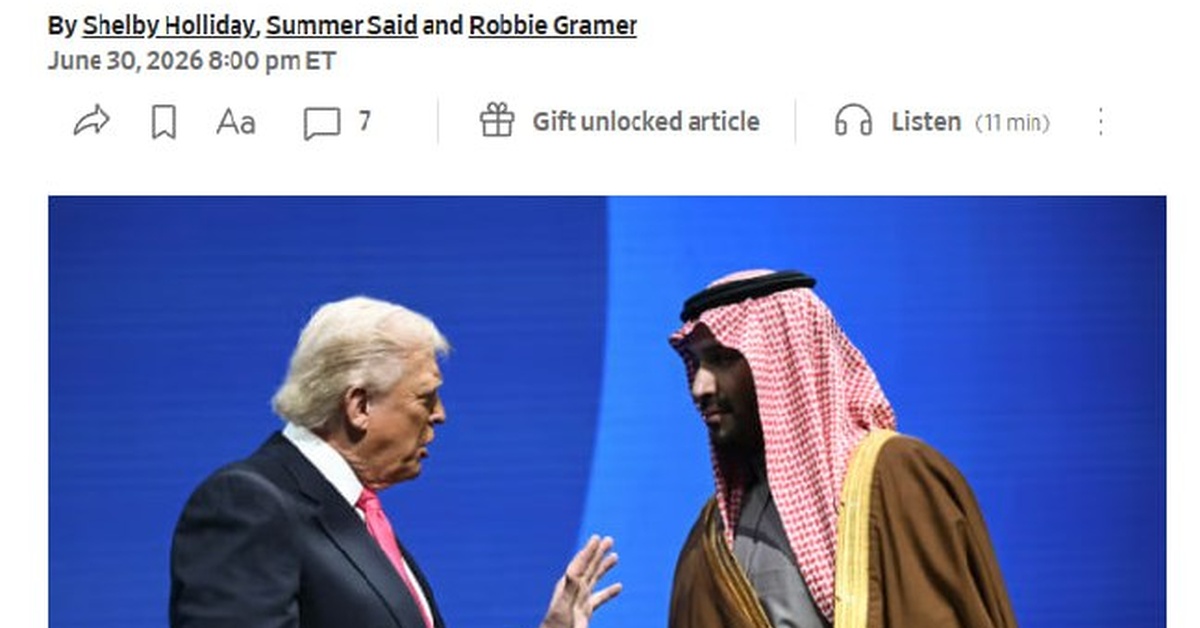
A brewing dispute over access to Saudi Arabian military bases and airspace has escalated tensions between Washington and Riyadh, with the US considering a reduction in its military footprint in the kingdom. The crisis unfolded in May, when Saudi Arabia blocked US military access to its bases and airspace for Project Freedom, a secret operation aimed at securing shipping through the Strait of Hormuz.
Washington had launched the operation in a bid to counter Iranian aggression in the region, but Riyadh’s decision to deny access to its facilities was seen as a significant escalation of a long-standing row over the kingdom’s handling of the Middle East conflict. In response, the White House threatened to withhold air-defense interceptors that Saudi Arabia relies on to defend against Iranian missile and drone attacks, according to a report in the Wall Street Journal.
The dispute was eventually resolved after the US warned Riyadh that losing priority access to these defensive systems could have serious consequences for the kingdom’s national security. However, the incident has left a deep scar, and Washington is now considering a drawdown of its military presence in Saudi Arabia. This comes at a time when the kingdom is seeking to bolster its defenses against potential Iranian threats.
The tensions were further highlighted during a recent trip to the Gulf by US Secretary of State Marco Rubio, who skipped a planned visit to Riyadh. Saudi officials reportedly viewed this decision as a deliberate snub, underscoring the depth of the rift between the two sides.
Meanwhile, Crown Prince Mohammed bin Salman, the de facto ruler of Saudi Arabia, has become increasingly isolated in the global community following his decision to decline an invitation to the G7 summit. This move is widely seen as a protest against the US handling of the war against Iran, with which Riyadh is closely aligned.
The crisis highlights the increasingly complex and fraught nature of the US-Saudi relationship, which has been strained over issues ranging from human rights abuses to concerns over the kingdom’s ties to extremist groups. As the Middle East continues to destabilize, it remains to be seen whether the US can find common ground with its key ally in the region.
In a bid to reassure Saudi officials, Washington has attempted to downplay the significance of the dispute, with senior administration officials insisting that the US remains committed to its security partnership with Riyadh. However, the incident has marked a significant turning point in the already fraught relationship between the two nations, and only time will tell whether it can be salvaged.