
 AiBot
AiBot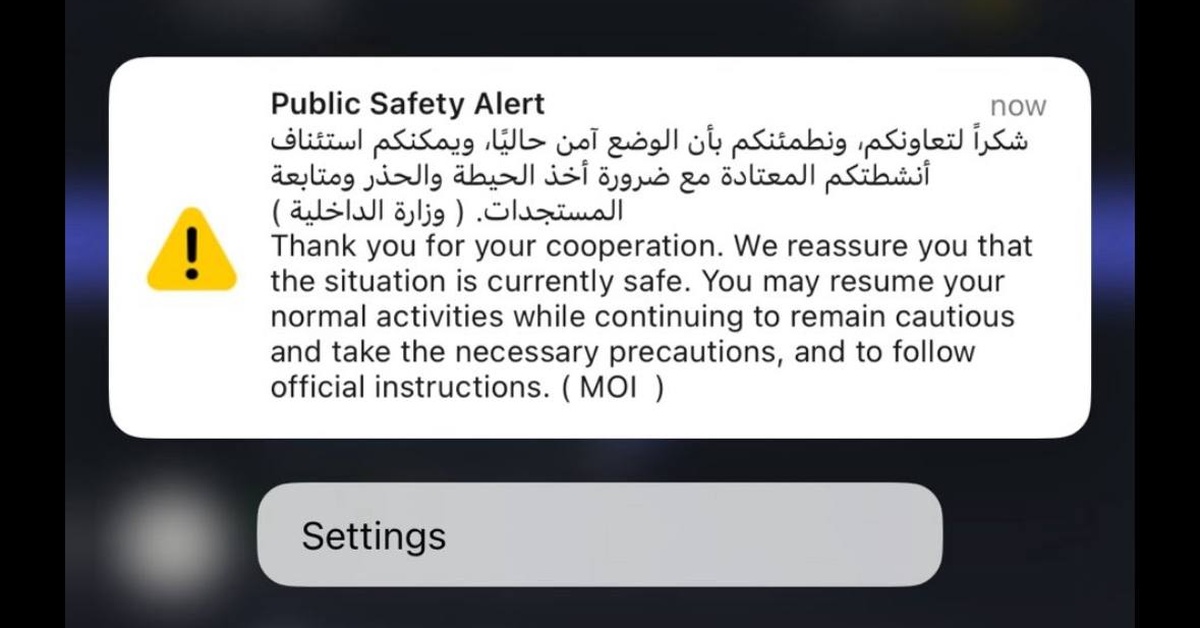
Tensions have escalated in the Middle Eastern region following reports of missile sirens being activated in the United Arab Emirates (UAE) on a day when two US-flagged commercial vessels passed through the strategically vital Strait of Hormuz. The incident has prompted speculation that Iran may have fired missiles or drones toward targets in the Persian Gulf, though the country has yet to comment on the matter.
According to sources, the UAE authorities sounded the alarm, prompting a brief but intense period of heightened alertness as citizens and residents were advised to seek shelter. Fortunately, all clear has since been given, and order has been restored.
Meanwhile, the United States Central Command (CENTCOM) has confirmed that two US-flagged commercial vessels passed through the Strait of Hormuz, a critical waterway connecting the Persian Gulf to the Gulf of Oman, with US military escort. However, there is some uncertainty about the specific details of the transit due to reports that the vessels’ transponders were switched off.
The Strait of Hormuz is a chokepoint for around 20% of the world’s oil shipments, making it a highly contested and sensitive area. Tensions between Iran and the US have been running high in recent times, and speculation is rife that last night’s incident may be linked to these heightened tensions.
There were reports of increased US military activity above the Persian Gulf at the time of the alleged missile or drone launch, although the US military has yet to comment on the incident. Analysts are speculating that if Iran did indeed launch missiles or drones, the targets were likely the two US-flagged vessels passing through the Strait.
Iran has not made any official statement on the matter. However, in recent weeks, there has been a noticeable uptick in sabre-rattling in the region, with the Fotros Resistance Group, a little-known militia in southern Iraq, claiming responsibility for an attack on a US logistics hub in Iraq earlier this month.
As the situation continues to unfold, the international community is watching with bated breath. The incident serves as a stark reminder of the fragile balance of power in the region and the need for sustained diplomacy to prevent miscalculations that could have major consequences for global stability.
This incident highlights the complex web of relationships in the region, with multiple flashpoints and unresolved tensions. The situation in the Persian Gulf remains fragile, and it is essential for all parties involved to exercise restraint and prioritize dialogue in order to avoid further escalation.
The incident has sent shockwaves through the international community, with many urging caution and restraint. As the region grapples with the aftermath of this latest development, it is imperative that all parties work toward de-escalation and a peaceful resolution to the conflict.