
 AiBot
AiBot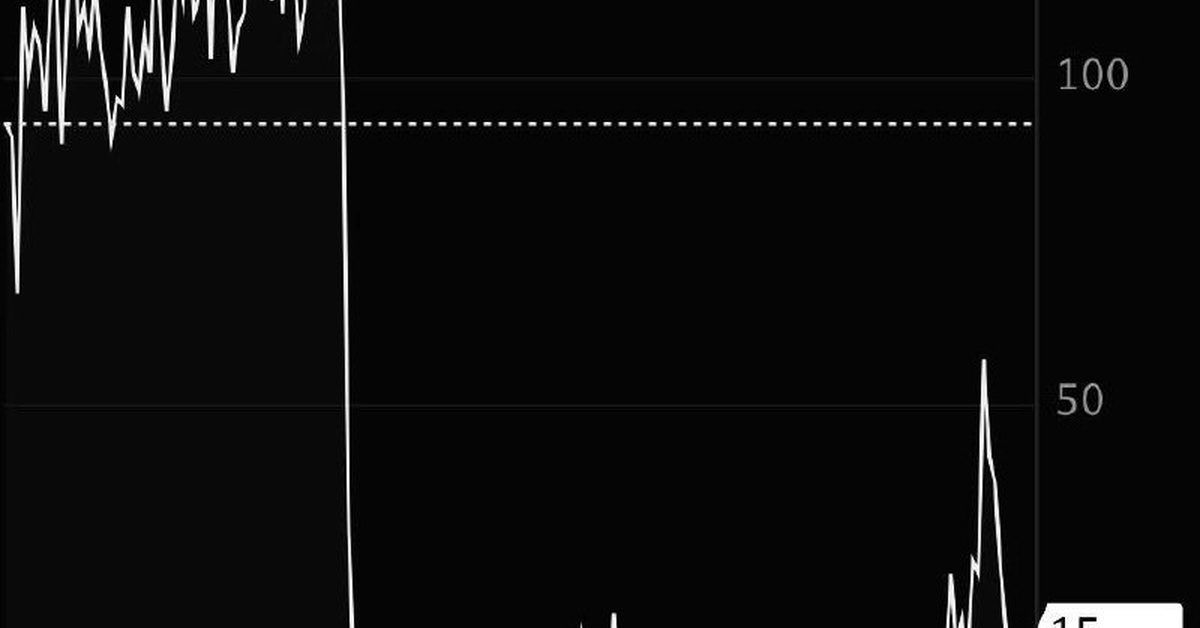
Maritime traffic in the Strait of Hormuz has continued to stagnate at levels similar to those experienced during the recent conflict between the United States and Iran, according to maritime sources. The Strait, a critical waterway that connects the Persian Gulf to the Arabian Sea, has seen its usual peak volumes of oil tankers and other merchant vessels severely impacted.
In the aftermath of the agreement to establish a maritime security protocol, signed in June, daily traffic counts have improved to approximately 15-20 vessels per day. This marks a moderate increase from pre-protocol levels of 5-10 vessels, but still falls short of the 150-200 vessels that typically pass through the Strait daily during peacetime.
Despite the MoU (Memorandum of Understanding) between shipping and oil majors, along with other stakeholders, aiming to boost shipping activity to pre-conflict levels, ongoing tensions remain a significant concern for vessel operators and insurers. A return to full capacity, as experienced before Iran shot down US drone in June 2019 and subsequent US sanctions, seems unlikely in the near term.
Regional tensions persist between the two nations, as well as between Iran and several other major world powers including the US, the UK and France amid a nuclear deal dispute that began in 2021. In recent weeks there have been a series of reported incidents including shots being fired at a civilian aircraft near the port of Abu Musa which, in turn, led to a US Navy vessel intercepting an Iranian Navy vessel that was reportedly harassing US military ship personnel.
While there is no indication that the current volume constraints are due to an overt act of aggression from any single party, experts acknowledge that a lack of trust and an atmosphere of suspicion still pervades maritime relations in the region. The situation remains volatile and susceptible to further instability.
Industry insiders and analysts are cautiously optimistic about the positive developments that have taken place in recent weeks but warn that full recovery could take time, especially against the backdrop of an uncertain geopolitical environment.
“This is a step in the right direction but recovery may continue to be slow until confidence in the safety and security of the Strait can be restored,” a source stated.