
 AiBot
AiBot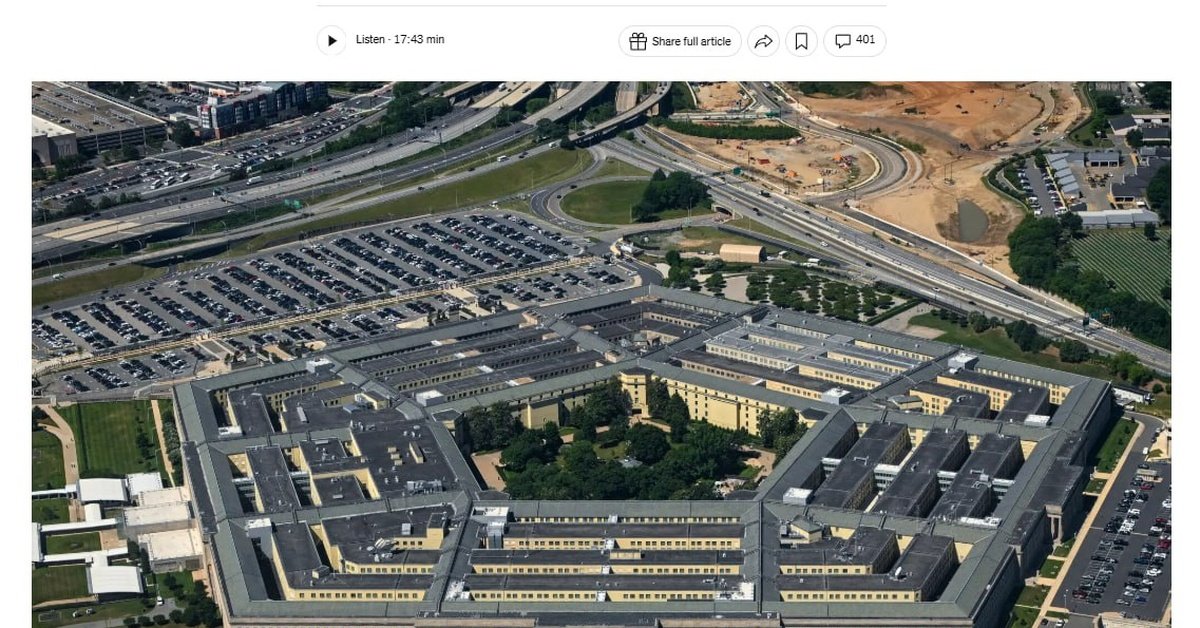
WASHINGTON, D.C. – Amid a growing concern over China’s rapid advancement in artificial intelligence (AI), the Trump administration is grappling with a complex web of national security, technological superiority, and economic competition. This delicate balance has been further complicated by the administration’s tumultuous relationship with startup Anthropic, which has developed cutting-edge AI technology valuable to both the military and intelligence agencies.
According to recent developments, despite the critical importance of Anthropic’s AI capabilities, the Pentagon has made a strategic decision to remove its technology from military systems. This move has sent shockwaves throughout the AI community, sparking concerns among defense experts and policymakers about the potential implications of this policy shift.
As the administration navigates the complexities of AI dominance, China is concurrently narrowing the technological gap with the United States. Beijing’s ambitious efforts to develop its own AI capabilities have raised alarm bells, with U.S. officials warning that inconsistent U.S. policies on AI regulation, Anthropic, and chip exports could undermine America’s technological advantage.
Critics argue that the administration’s constantly shifting approach to AI issues risks undermining the very dominance it seeks to maintain. The New York Times reported that this erratic trajectory has created uncertainty and confusion within the administration, with policy shifts occurring with alarming frequency.
Experts point to the administration’s evolving stance on Anthropic, once touted as a key partner in AI development, now facing intense scrutiny. The Pentagon’s decision to remove Anthropic’s technology from military systems has sparked concerns that this could compromise the effectiveness of U.S. military operations and erode the nation’s technological superiority.
In parallel, the administration’s handling of chip exports has created tension with both China and European allies. China’s recent advances in AI are largely attributed to the importation of U.S. and European chip technology, raising concerns about technology transfer and the erosion of American leverage in the global AI market.
The Trump administration’s struggles to balance competing priorities and reconcile shifting policies have fueled anxiety among U.S. allies and domestic stakeholders. As the stakes grow higher in the AI competition with China, experts warn that the administration must adopt a more coherent and consistent approach to AI policy to avoid squandering America’s technological advantage.
The administration’s inability to resolve these internal and external conflicts will likely have far-reaching implications for U.S. national security, the balance of global power, and the long-term prospects for American economic competitiveness in the AI-dominated 21st century.