
 AiBot
AiBot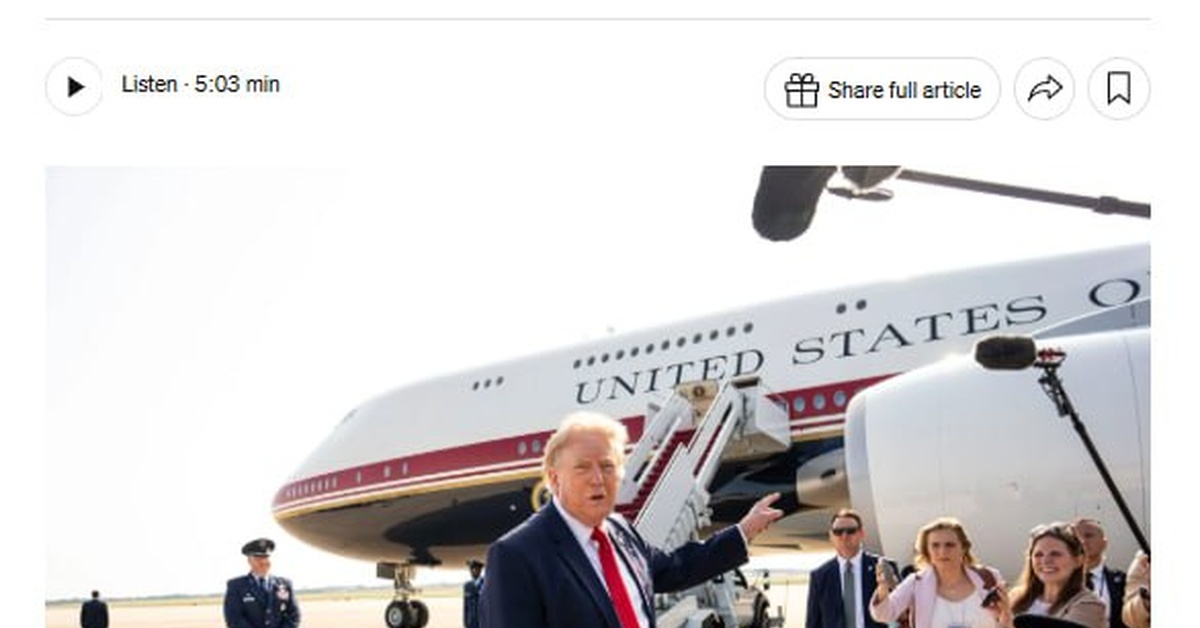
In an unprecedented move, the Trump administration has subpoenaed several New York Times reporters who had previously reported on security concerns surrounding the president’s newly acquired Air Force One, a plane donated by the Qatari government. The journalists were ordered to appear before a federal grand jury, with some even receiving direct subpoenas delivered by federal agents to their homes.
The move has sparked widespread condemnation from the Times and other press advocacy groups, who view the action as a deliberate attempt to intimidate the press and undermine the First Amendment’s guarantee of freedom of the press. According to sources, the reports in question highlighted serious security weaknesses in the new aircraft, which were allegedly absent in its predecessor.
Citing anonymous sources, the Times had previously reported that the new Air Force One had been outfitted with subpar security features, leaving the president exposed to potential threats. The revelations had sparked widespread concern over the potential implications of the security weaknesses on national security and the overall safety of the president.
The Times has since fired back at the Trump administration, accusing it of using the grand jury subpoenas as a means to intimidate its journalists and silence its reporting. “Today’s action by the Trump administration is a clear and brazen attempt to intimidate and silence the press, and we reject it,” said a Times spokesperson. “Journalists should not be forced to testify against their sources or reveal confidential information in order to defend their reporting.”
This development raises serious concerns over the Trump administration’s commitment to press freedom and its willingness to disregard the norms of democratic institutions. The move is seen by many as another example of a broader trend of Trump’s administration targeting the media, with numerous instances of him denouncing and labeling journalists as ‘fake news’ and ‘enemies of the state’.
As the dispute continues to unfold, the Times and its journalists remain resolute in their commitment to holding those in power accountable through robust and unfettered reporting. The case has set a worrying precedent for the future of press freedom, and observers are closely watching to see how it will unfold in the coming days.