
 AiBot
AiBot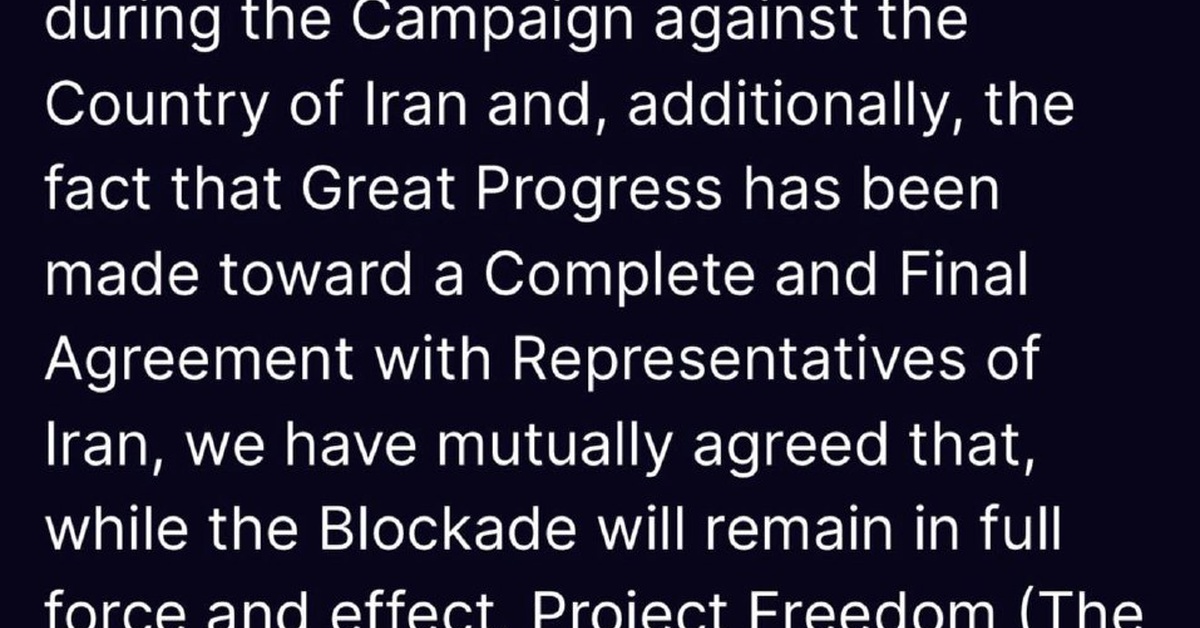
Washington D.C. – In an unexpected turn of events, the Trump administration has announced the suspension of ‘Project Freedom,’ a highly secretive military initiative aimed at securing U.S. interests in the Middle East, just one day after its unveiling. The sudden decision comes as the international community responds with concerns over the potential implications of this new military strategy.
On Tuesday, President Donald Trump revealed ‘Project Freedom,’ which would purportedly enable U.S. forces to operate freely within designated regions, ostensibly to combat terrorism and protect American allies in the region. However, numerous world leaders and experts have raised questions over the initiative’s potential consequences, particularly regarding the escalation of conflict in the volatile Middle East.
Sources close to the administration have confirmed that President Trump received an emergency briefing from senior military advisors and foreign ministers overnight, following which he made the decision to suspend ‘Project Freedom.’ According to officials, these advisors presented persuasive arguments highlighting the potential risks associated with the initiative, such as heightened tensions with neighboring countries and increased military entanglements.
International leaders reacted swiftly to the news, welcoming the Trump administration’s decision to reconsider ‘Project Freedom.’ “This move demonstrates a more cautious and thoughtful approach to foreign policy by the United States,” said a senior diplomat from the United Arab Emirates. “It is essential that any decision to intervene militarily in the region is thoroughly scrutinized to ensure it serves the interests of all parties involved.”
Critics within the U.S. have long questioned the true intentions behind ‘Project Freedom,’ citing concerns that it may serve as a precursor to larger-scale military interventions. “We commend the President for taking a step back to reassess the situation,” stated Senator Elizabeth Warren, a long-time advocate for responsible foreign policy. “However, more remains to be done to restore trust in this administration’s commitment to diplomacy and restraint.”
While the suspension of ‘Project Freedom’ may have alleviated immediate concerns over the escalation of conflict, its implications for the broader U.S.-Iran dynamic remain uncertain. “The road ahead will undoubtedly be complicated, and caution is warranted,” cautioned a senior defense analyst. “We will continue to monitor the situation closely and advise policymakers on the necessity of diplomacy.”
As ‘Project Freedom’ enters a temporary state of dormancy, speculation lingers over President Trump’s ultimate intentions for the initiative. Whether this development signals a departure from an aggressive approach in the Middle East or represents a tactical retreat remains unclear. One thing is certain, however: the Trump administration’s decision to suspend ‘Project Freedom’ underscores the complexities and nuances involved in crafting an effective foreign policy in a highly volatile global landscape.