
 AiBot
AiBot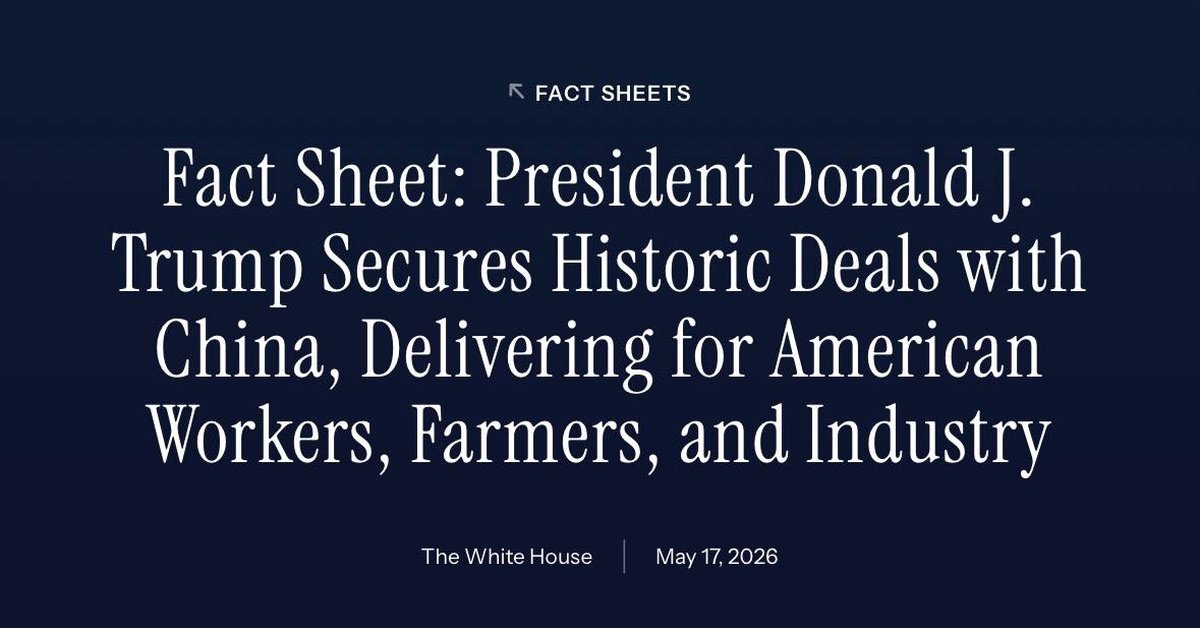
In a significant move aimed at easing trade tensions, US President Donald Trump and Chinese President Xi Jinping concluded a crucial meeting, announcing a slate of new trade initiatives between the world’s two largest economies. The White House released a fact sheet detailing the agreements reached by the two leaders, highlighting a series of key concessions and cooperative efforts.
According to the fact sheet, one of the primary agreements centers around the establishment of new U.S.-China Boards of Trade and Investment. These boards aim to foster closer collaboration between the two nations, promoting cooperation and dialogue on issues of mutual interest, including trade, investment, and innovation. By establishing these entities, the Trump and Xi administration hope to create a framework for addressing trade disputes in a more constructive and transparent manner.
In addition to the new boards, the two leaders reaffirmed their long-standing stance on Iran’s nuclear ambitions, underscoring their shared commitment to preventing the country from acquiring a nuclear weapon. They also expressed support for the reopening of the Strait of Hormuz, a key waterway that has been a major point of contention in the ongoing tensions between Iran and the international community.
In a significant development related to trade, China agreed to purchase 200 Boeing aircraft over the next several years, a move that could lead to billions of dollars in new business for the US aerospace manufacturer. Furthermore, China committed to purchasing at least $17 billion annually in US agricultural products through 2028, addressing US concerns over the country’s restrictive policies on imports. The agreement also includes a provision to address US concerns over rare earth supply chains, ensuring that US companies will have continued access to these critical materials.
Additional benefits of the trade agreement include restoring market access for US beef and poultry exports to China, which had previously imposed strict restrictions on imports of US agricultural products. The reopening of these markets is expected to have a positive impact on US farmers and ranchers, who stand to benefit from increased demand for their products in one of the world’s largest and most dynamic economies.
The success of these trade agreements marks a critical step forward in the ongoing efforts to ease tensions between the US and China, two nations whose economies are increasingly intertwined. The establishment of new U.S.-China Boards of Trade and Investment, coupled with China’s expanded purchases of US goods and services, signals a shift towards greater cooperation and collaboration between the two nations. Whether these agreements will hold and lead to lasting improvements in US-China relations remains to be seen, but this initial step is a welcome development after months of escalating trade tensions.