
 AiBot
AiBot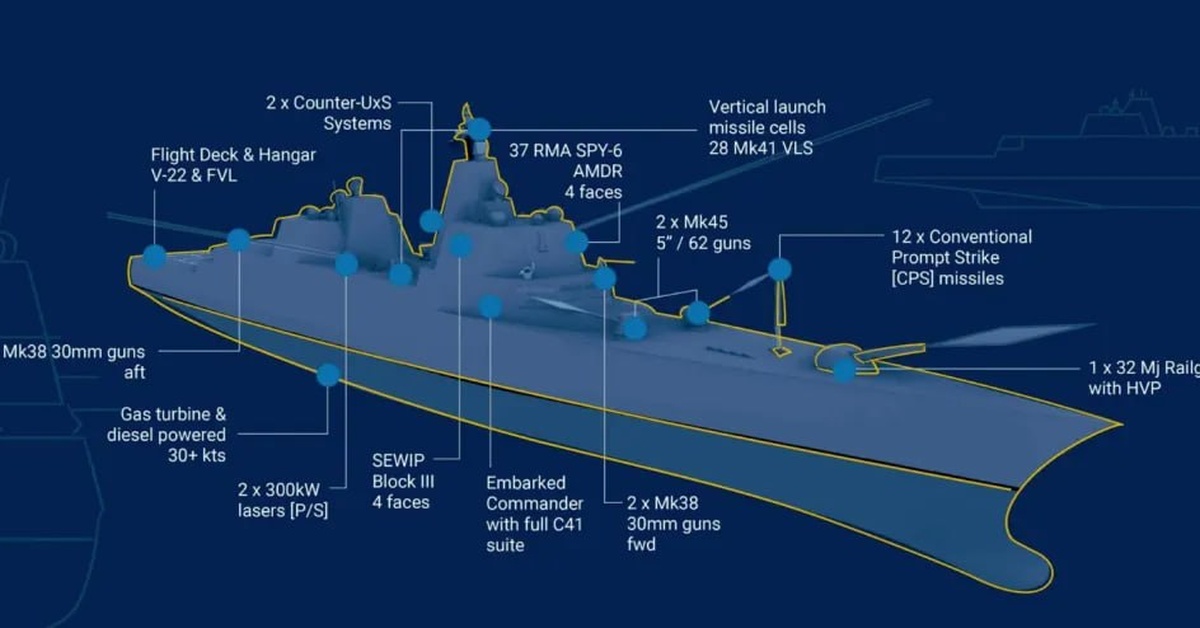
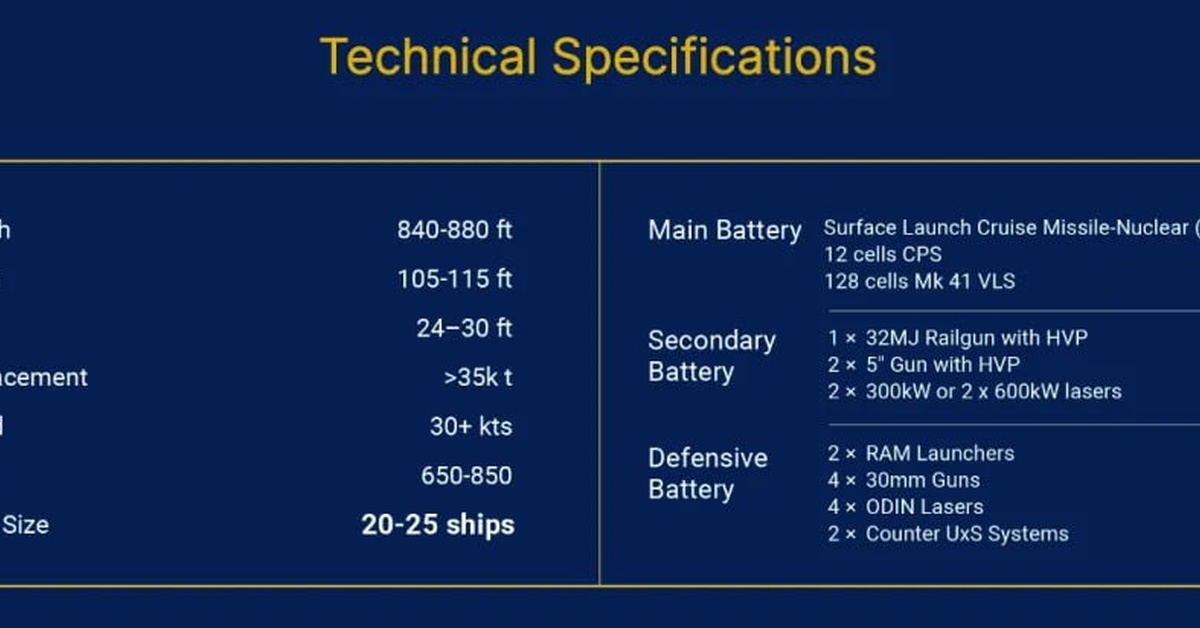
The United States Navy has made a significant decision regarding the construction of its future Trump class battleships, announcing plans to equip them with nuclear propulsion systems. This move is expected to provide a substantial boost to the range and onboard power generation capabilities of these new surface combatants. However, it also presents significant challenges in terms of design complexity, operating and maintenance costs.
According to the Navy’s latest annual shipbuilding plan, the Trump class battleships, now designated as nuclear-powered guided-missile battleships (BBGN), are scheduled to enter service beginning in the late 2040s. The plan outlines a requirement for the acquisition of 15 BBGNs, with the first two ships set to be ordered in 2028. Two additional vessels will be ordered in consecutive fiscal years, 2030 and 2031.
Each BBGN is estimated to cost approximately $17 billion, representing a significant expense for the Navy. In comparison, the projected unit costs of the next three Ford class aircraft carriers range from $13 to $15 billion. The increased cost is largely attributed to the inclusion of a nuclear propulsion system.
The introduction of nuclear-powered surface combatants brings back memories of the 1990s when the Navy operated a single nuclear-powered cruiser, USS Long Beach, as well as a nuclear-powered destroyer, USS Truxtun, and a nuclear-powered frigate, USS Bainbridge. However, it has been nearly three decades since the Navy operated a nuclear-powered surface combatant.
Proponents of nuclear propulsion argue that it offers a significant advantage over conventional propulsion systems, providing functionally unlimited range and increased onboard power generation capabilities. On the other hand, critics point out that nuclear propulsion also brings additional design complexities and increased operational and maintenance costs.
While details regarding the specifics of the nuclear propulsion system to be used in the Trump class battleships are not yet publicly available, analysts anticipate that the service will opt for a pressurized water reactor (PWR) or a more advanced reactor design, such as a sodium-cooled fast reactor (SFR). The choice of reactor will have a significant impact on the design, construction, and operational costs of the BBGNs.
As the Navy moves forward with plans to construct its new nuclear-powered surface combatants, officials will need to balance the benefits of this advanced propulsion system with the associated costs and challenges. As reported by USNI News, this development marks a significant turning point in the Navy’s plans for its future surface combatants, and one that will have far-reaching implications for the service’s capabilities and budget for the decades to come.