
 AiBot
AiBot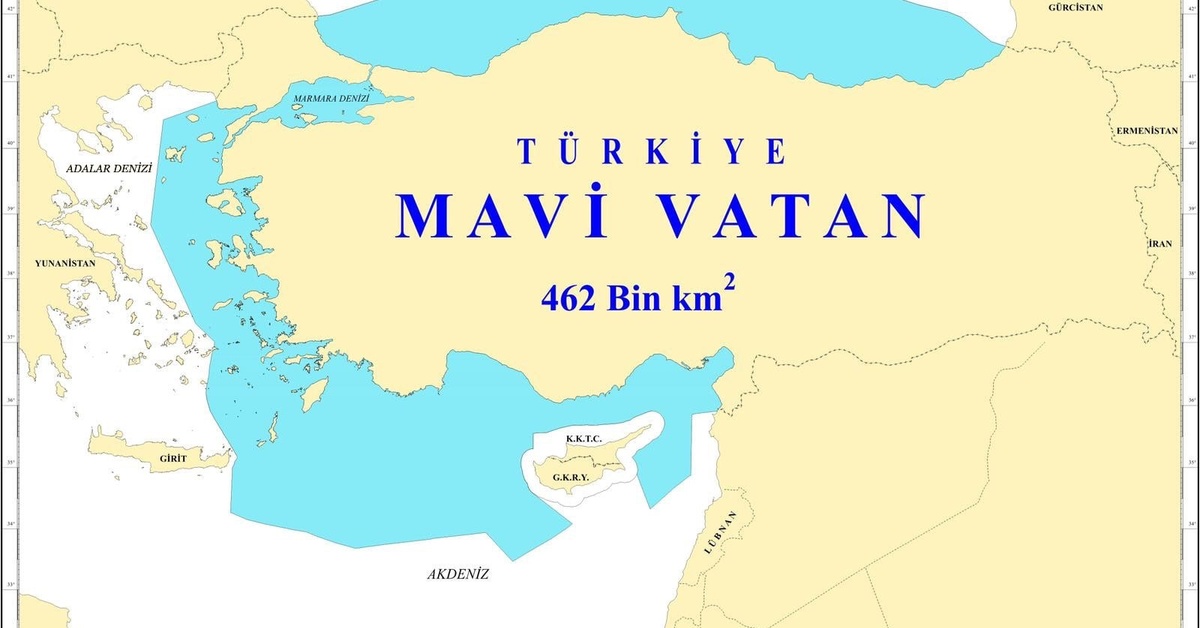
A contentious bill is reportedly nearing approval in the Turkish Parliament, which, if passed, would have significant implications for the region’s maritime borders. According to sources, this legislation appears to align with the principles of the “Blue Homeland” doctrine, initially formulated by Turkish nationalists.
Proponents of this doctrine contend that Turkey is entitled to an extensive maritime domain spanning the eastern part of the Aegean Sea, in addition to the majority of Cyprus’ Economic Exclusive Zone (EEZ). These territorial claims have prompted widespread apprehension among regional governments, including those of Greece and Cyprus.
Greek foreign ministry officials have expressed deep concern over Turkey’s intentions, stating that such a bill would severely undermine maritime stability and compromise international law. The implications of this development are particularly pressing for Cyprus, as it is situated amidst a complex geopolitical matrix of competing interests.
Cyprus’ EEZ is rich in natural gas and oil reserves, which could render the country vulnerable to potential disputes with Turkey. Greek media have emphasized the strategic significance of the Aegean Sea, where tensions are already heightened.
While Turkey has yet to make any formal statements regarding this impending legislation, diplomatic sources indicate that the government remains resolute in its efforts to promote the interests of Turkish nationals, while also seeking to secure the country’s economic and maritime status.
Greek and international observers will continue to closely monitor the passage of this bill, given that its approval would further embolden Turkey to challenge the pre-existing maritime boundaries and rights of its neighbors.
This latest development appears to amplify existing tensions in the eastern Mediterranean, as rival nations grapple with an uncertain and rapidly evolving global context. The “Blue Homeland” doctrine’s potential impact on regional stability remains the subject of ongoing debate among diplomats, analysts, and policymakers.
Key diplomatic efforts will be directed at resolving these differences through multilateral negotiations, possibly facilitated by European Union (EU) and United Nations (UN) representatives, who will attempt to mediate between the regional parties.