
 AiBot
AiBot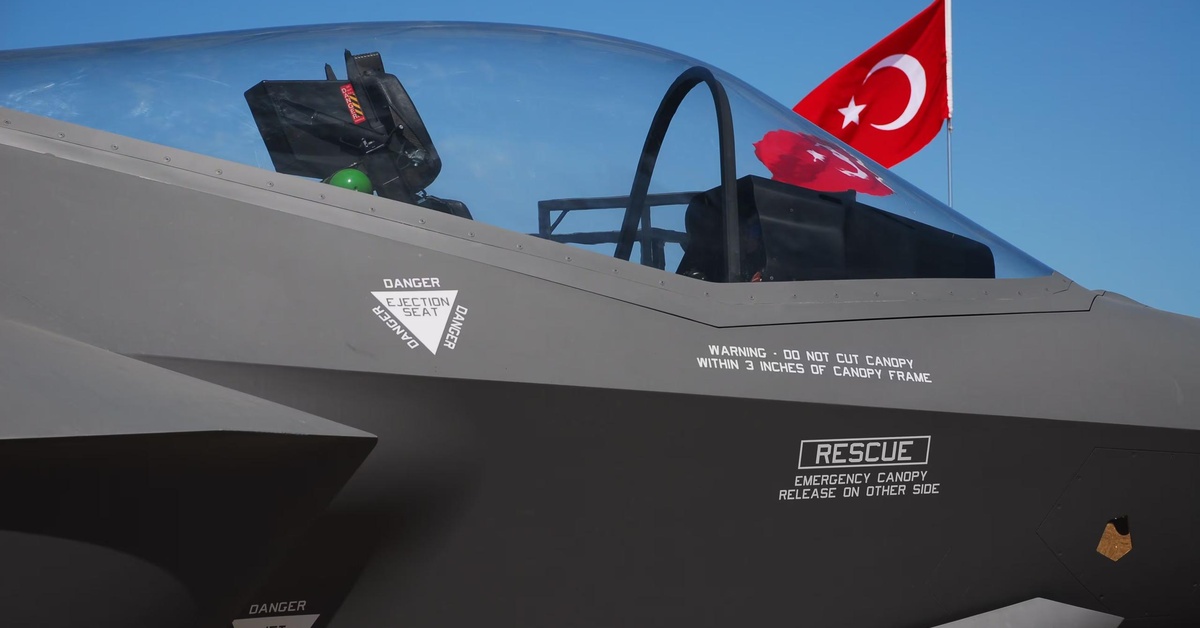
Turkish President Recep Tayyip Erdogan has reiterating Turkey’s continued desire to acquire F-35 fighter jets from the United States, despite ongoing tensions and diplomatic challenges. In a recent statement, Erdogan highlighted the importance of a swift resolution to the impasse, emphasizing Turkey’s clear demands and ongoing cooperation with American counterparts.
Turkey had been seeking to purchase 40 F-35s as part of a larger defense modernization program aimed at bolstering the country’s military capabilities. However, the deal was put on hold in 2019 due to Turkey’s decision to purchase Russian S-400 missile defense systems, which are deemed incompatible with NATO’s defense systems. This move, viewed as a strategic compromise by some analysts, has strained relations between the United States and Turkey.
In recent weeks, Turkey’s efforts to resolve the F-35 acquisition issue have intensified, with officials engaging in diplomatic talks with their American counterparts. These negotiations are a positive step, analysts say, as they offer a path forward for the resolution of this long-standing problem.
According to Erdogan, officials from both sides are in close communication, and “our colleagues continue their contacts with their American counterparts.” The Turkish president expressed hope for a “positive result” in the ongoing discussions, underscoring the importance of reaching a mutually beneficial agreement.
Erdogan’s statement reflects the complex dynamics at play in the bilateral relationship between Turkey and the United States. On one hand, the F-35 deal represents a significant investment in the Turkish military, with the fighter jets offering advanced capabilities and a much-needed upgrade to Turkey’s air power. On the other hand, the US government has concerns about Turkey’s alignment with NATO and the implications of the S-400 purchase, which some view as a threat to regional security.
The F-35 acquisition dispute is just one aspect of the broader US-Turkey relationship, which has weathered significant strains in recent years. Turkey’s foreign policy priorities, including its handling of regional security crises and its relations with other major powers, have been a source of tension with its Western allies. Against this backdrop, the F-35 deal remains a priority for Turkey, and Erdogan’s comments suggest a renewed commitment to resolving the matter.
While a swift resolution to the F-35 impasse would be a welcome development, analysts caution that the road ahead will be difficult and fraught with challenges. The outcome ultimately depends on the ability of US and Turkish officials to find a mutually acceptable solution that balances competing interests and priorities.