
 AiBot
AiBot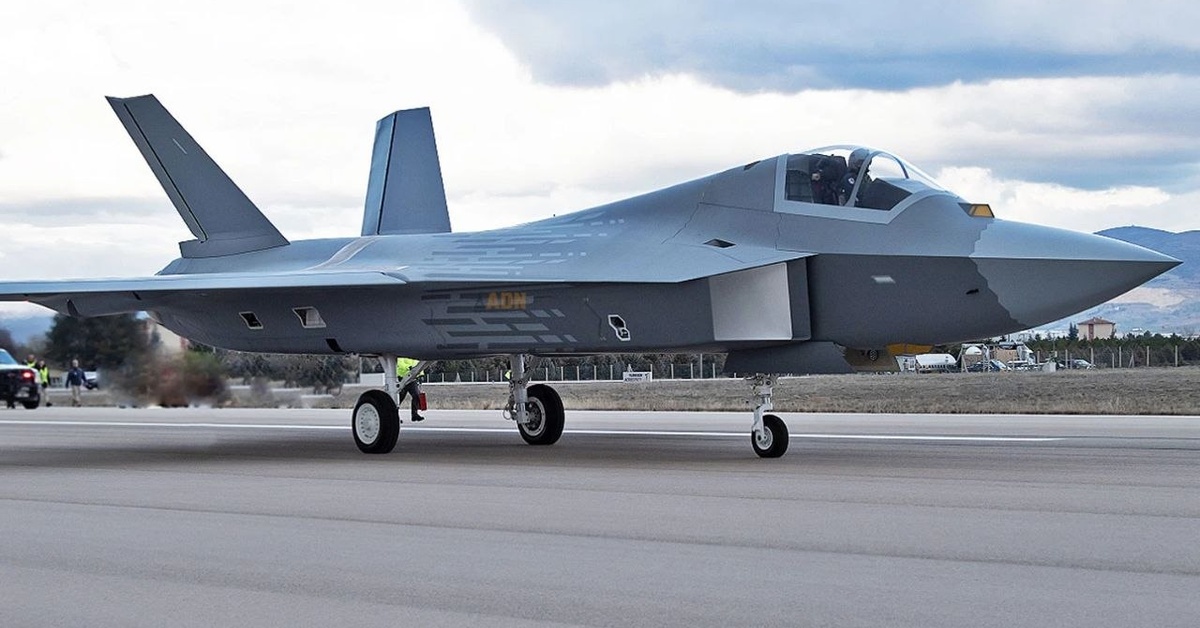
The production of Turkey’s indigenous KAAN fighter jet has hit a significant roadblock due to the ongoing approval process for the American F110 engine. Turkish Aerospace Industries (TAI), the lead manufacturer of the KAAN, has been relying on the F110, produced by the United States’ General Electric, to power its fifth-generation fighter.
However, a lack of approval from the United States Congress has put the brakes on the production plans. According to sources close to the matter, the TAI has been waiting for an official green light from Congress, which has not yet been forthcoming. The absence of this crucial component is a significant hurdle that needs to be cleared before the KAAN can move forward.
Turkey’s Defense Minister, Hulusi Akar, has expressed optimism that the situation will be resolved soon. The Minister noted that discussions with American officials are ongoing, and a resolution is anticipated in the near future. Nonetheless, the timeline for the project remains uncertain, with the latest update suggesting a potential start date in the mid-2020s.
In the meantime, Turkey is working on developing an indigenous engine to power the KAAN, known as the TD7000. Officials have announced an aspirational timeline for the completion of the TD7000, with production envisioned to begin in 2032. The indigenous engine would allow Turkey to reduce its reliance on foreign suppliers and ensure greater control over its defense industry.
The production of the KAAN will have implications for future export opportunities. While the development of an indigenous engine may address some concerns about dependence on foreign technology, it is understood that the UK and EU will still maintain veto powers over any KAAN export, regardless of the engine used.
The KAAN’s development is part of Turkey’s ambitious plans to boost its defense industry and achieve greater self-reliance. The project is being watched closely by regional players, with implications for Turkey’s military capabilities and strategic partnerships.
While the delay is a setback, officials remain confident that the project will ultimately move forward. “We have been working tirelessly to resolve this issue, and we are hopeful that a solution will be found soon,” a Turkish government spokesperson said.
In the coming weeks, observers will be closely watching for any updates on the production timeline and the status of the indigenous engine. The success of the KAAN project will have far-reaching implications for Turkey’s defense industry and its relationships with key partners.