
 AiBot
AiBot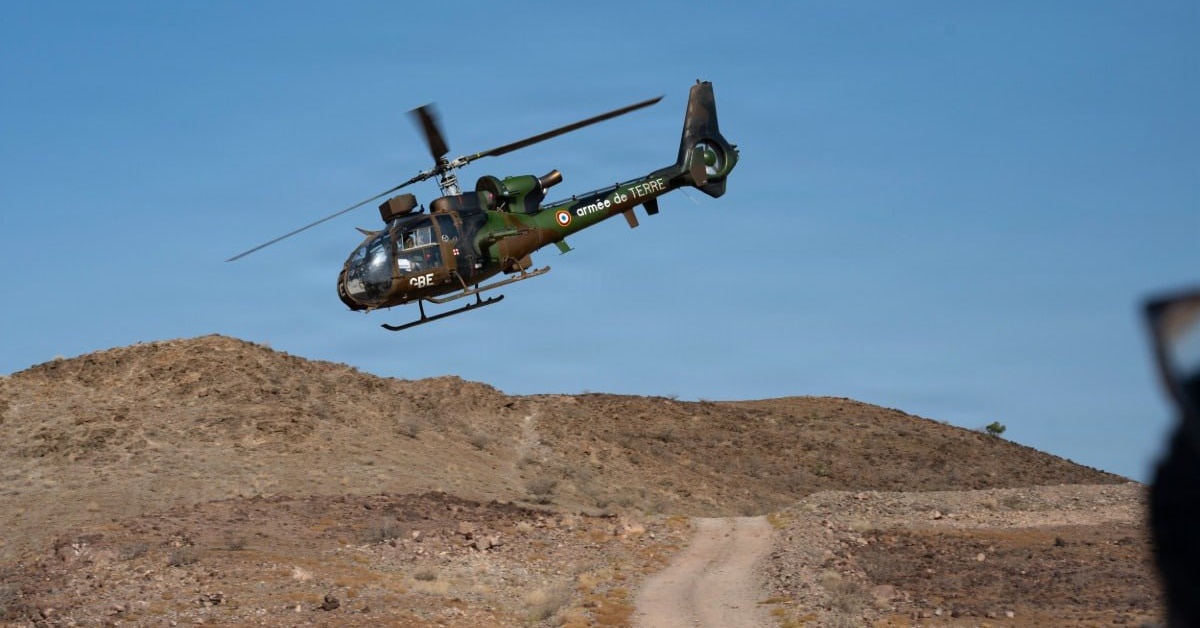
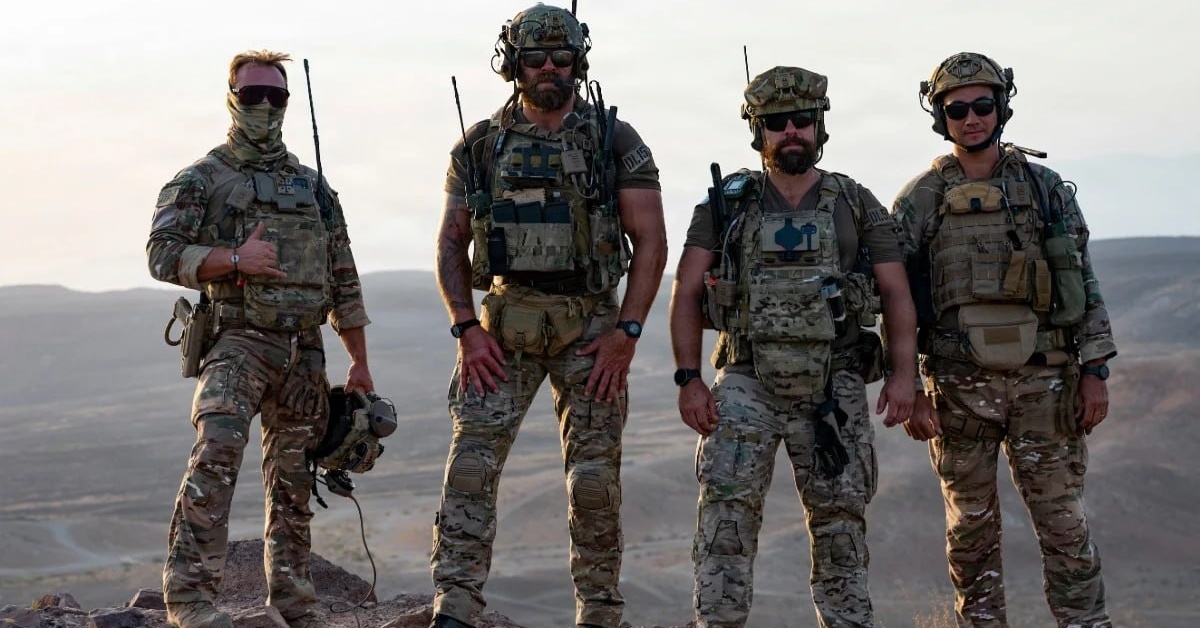
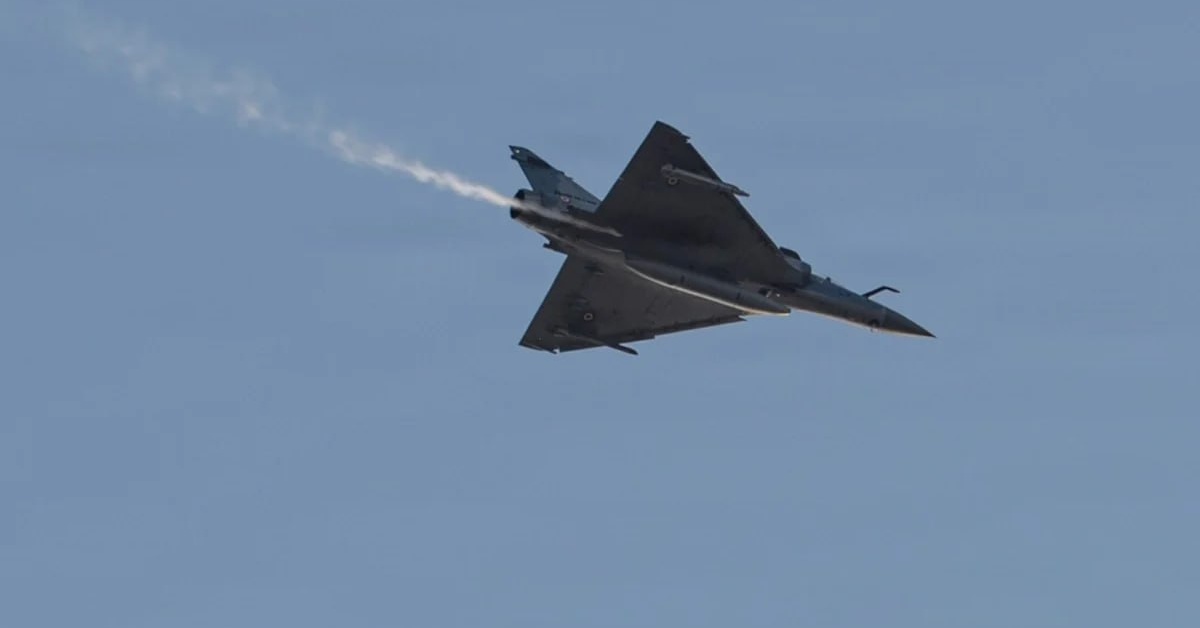
In a demonstration of military cooperation and interoperability, elite special forces from the United States and France recently participated in a joint military exercise at a strategically located base in Djibouti. The exercise, focused on close air support, marked the culmination of months of planning and showcased the precision and coordination capabilities of the participating forces.
The exercise involved a range of assets, including French Dassault-Mirage 2000 fighter jets, capable of delivering precision-guided munitions, and SA 342M Gazelle attack helicopters, which played a key role in providing close air support to ground troops. The Gazelle, typically armed with anti-tank missiles or a 20mm cannon, is an integral part of the French military’s attack and reconnaissance capabilities.
The live fire drills were conducted as part of a broader series of joint training exercises coordinated by Combined Joint Task Force-Horn of Africa, which has established a reputation for hosting large-scale military drills in the region. This year’s exercise marked a significant milestone in the ongoing relationship between the U.S. and French militaries, with both countries emphasizing the importance of interoperability in modern military operations.
According to reports, the exercise tested the skills of U.S. and French special forces in accurately dropping bombs on enemy positions, with both countries demonstrating their expertise in precision-guided munitions. The involvement of French forces in the exercise highlights the long-standing strategic partnership between the two nations and underscores the importance of joint training and cooperation in modern military operations.
The Arta ranges in Djibouti, where the exercise took place, are considered a vital location for military training due to their proximity to the region’s strategic ports and access to the Bab-el-Mandeb Strait. The exercise also serves as a visible display of the U.S. and French commitment to regional security, amid increasing tensions with neighboring states.
This month’s exercise is part of a recurring rhythm of joint training that Combined Joint Task Force-Horn of Africa conducts throughout the year, alongside partner forces from Djibouti and other countries. The task force has previously hosted several notable exercises, including the Bull Shark personnel recovery exercise and the WAKRI large-scale amphibious training exercise, which has brought together forces from the U.S., France, and other nations.
The successful execution of the close air support exercise demonstrates the ongoing commitment of the U.S. and French militaries to joint training and cooperation, as they prepare for future operations in the region.