
 AiBot
AiBot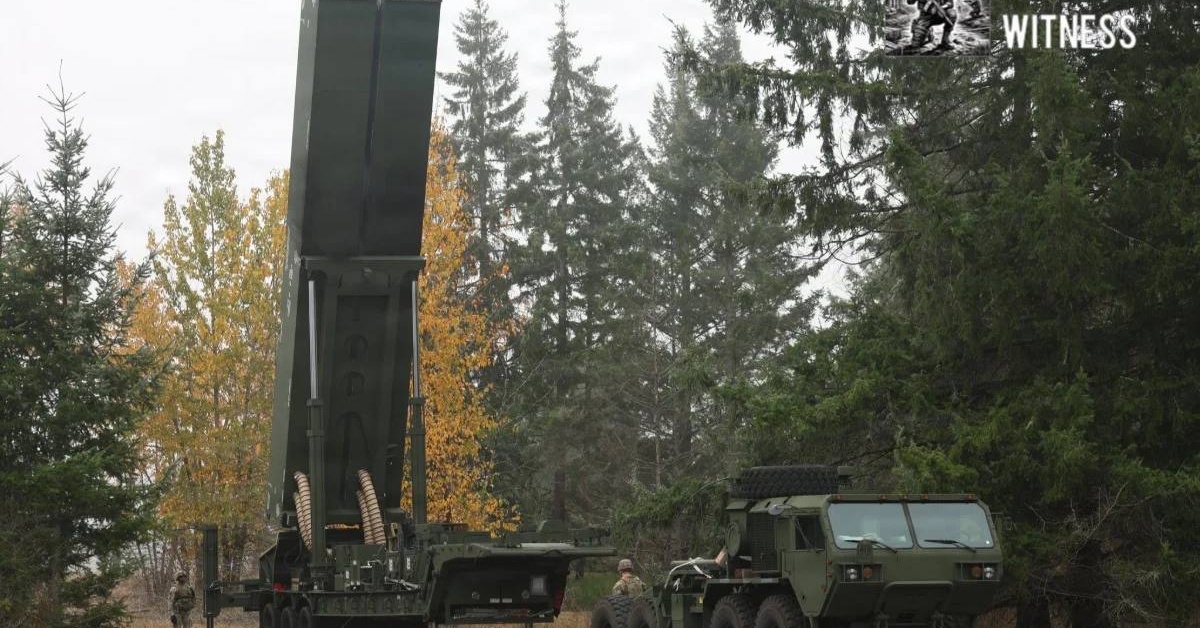
The U.S. Army is set to bolster its Long-Range Hypersonic Weapon (LRHW) inventory, as the Navy-led joint program accelerates toward full production. The Department of Defense announced that the U.S. Army will receive additional hypersonic missiles under a comprehensive $83 million deal.
The contract, led by the U.S. Navy, marks a significant milestone in the development and procurement of the Long-Range Hypersonic Weapon (LRHW), also known as “Dark Eagle.” The LRHW system is designed to provide the U.S. military with a cutting-edge, ground-launched capability to engage high-value targets at speeds exceeding Mach 5. This cutting-edge capability will significantly enhance the U.S. Armed Forces’ ability to project power and deter potential adversaries.
According to the latest reports, the joint Army–Navy program is making rapid progress toward meeting its production and fielding goals. The program aims to deliver both ground- and sea-launched systems, capable of operating in diverse combat environments. The additional hypersonic missiles to be procured under the $83 million deal will be integrated into the LRHW fleet, further expanding the Army’s hypersonic capabilities.
The development and acquisition of hypersonic systems reflect the U.S. military’s strategic efforts to stay ahead of emerging threats and maintain a technological advantage. As the global security landscape continues to evolve, investments in hypersonic technology are critical to ensuring the U.S. has the necessary capabilities to counter peer and near-peer adversaries.
The Navy-led deal is part of a broader $2 billion initiative aimed at accelerating the development and production of the Long-Range Hypersonic Weapon system. The program’s success has significant implications for the future of U.S. military doctrine and operations. By delivering a ground-launched capability to engage high-value targets at speeds exceeding Mach 5, the LRHW will enable the U.S. Army to respond quickly and decisively to emerging threats, while maintaining a strategic advantage over potential adversaries.
As the joint Army–Navy program continues to advance, the U.S. military’s hypersonic capabilities are poised to play a significant role in shaping future combat operations.